Newsletter
Join the Community
Subscribe to our newsletter for the latest news and updates

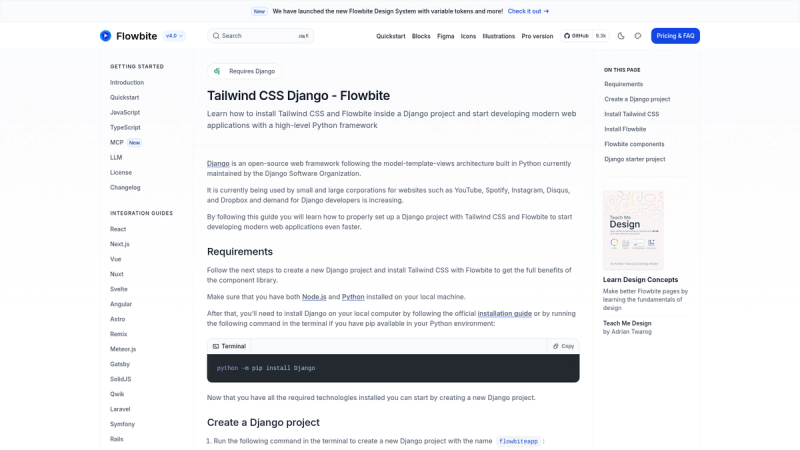
Open-source starter project with Django scaffolded with Tailwind CSS and the Flowbite UI library
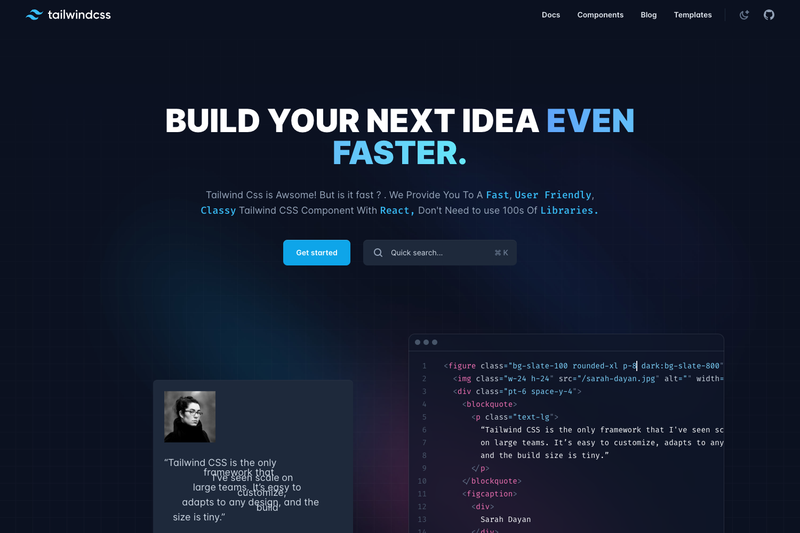
React components with Tailwind CSS — an easy way to start your React app.
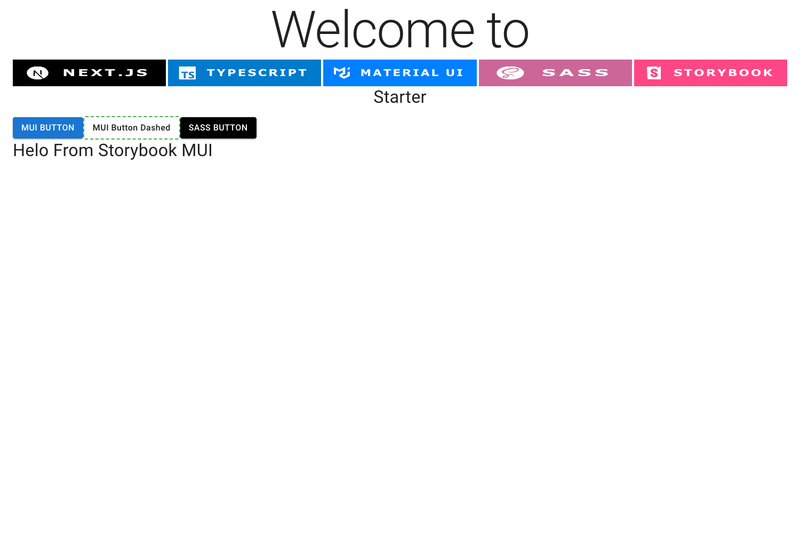
Next.js + TypeScript + Material UI v5 + Sass + Storybook starter with linting & prettier pre-configured
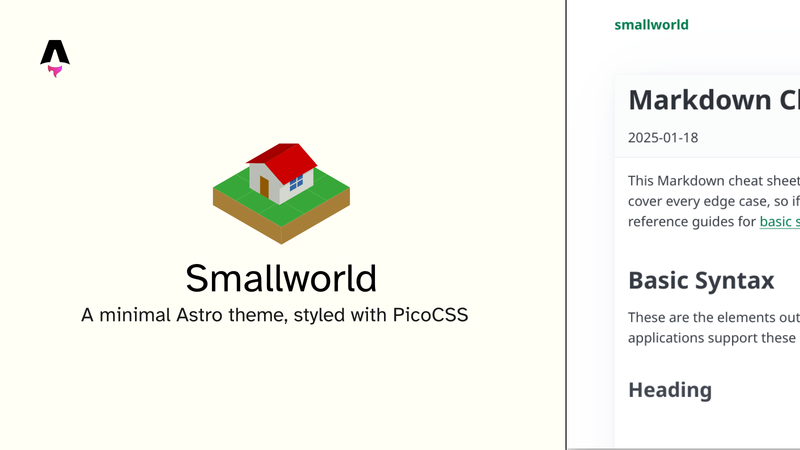
A minimal, low-class Astro template for a simple website with a single-author blog, built on semantic HTML and Pico CSS.
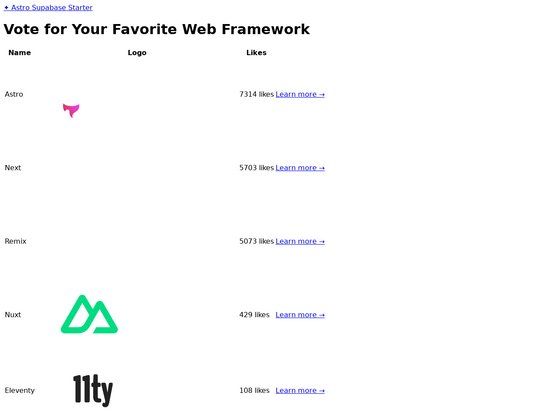
A boilerplate template demonstrating Supabase integration in an Astro project deployed on Netlify.
The Tailwind Django Starter is a boilerplate project that scaffolds a Django web app with Tailwind CSS and Flowbite's interactive UI components, giving developers a preconfigured build pipeline. This open-source starter walks you through setting up a Django project with Tailwind CSS and the Flowbite component library, so you can start building modern web applications faster. It is maintained by Flowbite, the open-source Tailwind CSS component library, and is available as a guide on flowbite.com/docs/getting-started/django/.
The Tailwind Django Starter is a boilerplate project that combines a Django backend with Tailwind CSS for styling and Flowbite for interactive UI components like navbars, modals, dropdowns, and datepickers. It takes a fresh Django project and outputs a configured setup with a base HTML template, django-compressor for asset management, and a Tailwind CSS CLI build process. The starter runs on Python/Django and requires Node.js to run the Tailwind compiler, with both Python and Node.js listed as prerequisites.
COMPRESS_ROOT, COMPRESS_ENABLED, and a custom STATICFILES_FINDERS entry so the linked output.css is compressed and served correctly.tailwindcss and @tailwindcss/cli as dev dependencies, then provides a watch command (npx @tailwindcss/cli -i ./static/src/input.css -o ./static/src/output.css --watch) that compiles the input.css source into a production-ready stylesheet.input.css file imports Flowbite's default theme (@import "flowbite/src/themes/default";) and plugin (@plugin "flowbite/plugin";), then points Tailwind at the Flowbite source files with @source "../../node_modules/flowbite";.templates/_base.html file with a {% compress css %} block, a link to the static output.css, and a {% block content %} placeholder, letting you extend it with page-specific templates.https://cdn.jsdelivr.net/npm/[email protected]/dist/flowbite.min.js) just before the closing body tag, enabling interactive components without a separate bundler step.django-admin startproject flowbiteapp and following the provided configuration steps, ending with a working local server at localhost:3000.The starter works through a sequence of setup steps: create a Django project, configure the templates directory and install django-compressor, create a base template and a view, install Tailwind CSS via npm, add the Tailwind directives to input.css, then install Flowbite and include its theme, plugin, and JavaScript. After the setup, running python manage.py runserver serves the Django app, and the Tailwind watch command compiles CSS changes automatically.
This starter is open source and free to use; the repository metadata describes it as an "Open-source starter project."
Yes, Node.js is a prerequisite because the Tailwind CSS CLI is installed via npm and run through Node. Python is also required, since the project uses Django.
Run npx @tailwindcss/cli -i ./static/src/input.css -o ./static/src/output.css --watch in your terminal. This watches for changes to the input file and rebuilds output.css automatically.
Flowbite is installed as an npm dependency and configured as a Tailwind plugin, so you can use Flowbite's classes and the included JavaScript for interactive components. The base template links to the Flowbite CDN script to enable behavior.
The starter includes a _base.html file with a compress block, a link to output.css, a body with class bg-green-50, and a content block; plus an index.html that extends the base and renders a heading with Tailwind classes like text-3xl text-green-800.