Newsletter
Join the Community
Subscribe to our newsletter for the latest news and updates

Open-source reference app for building background coding agents on Vercel, with web UI, agent runtime, sandbox orchestration, and GitHub integration.
A minimal Nitro server boilerplate demonstrating plugins, deployable to Vercel with zero configuration.
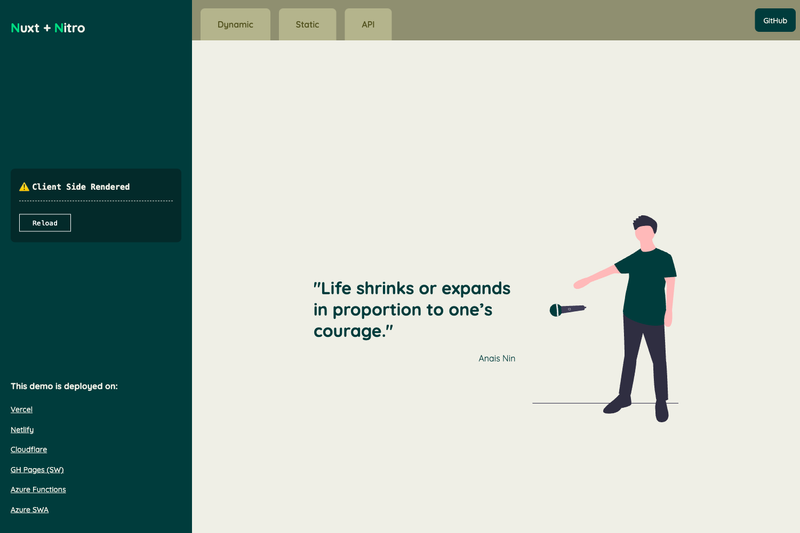
A minimal Nitro demo showcasing serverless deployment to six platforms from one codebase.
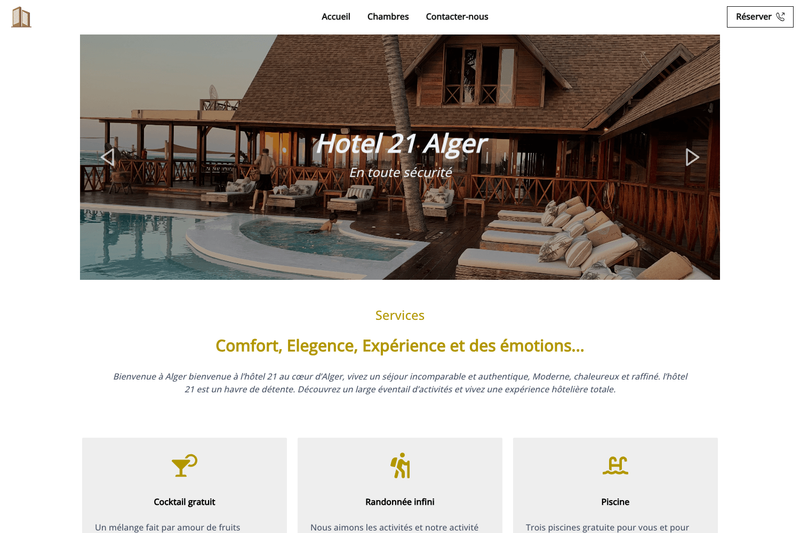
A Next.js and Chakra UI template web app for booking hotel rooms, designed to make stays simple and fast.
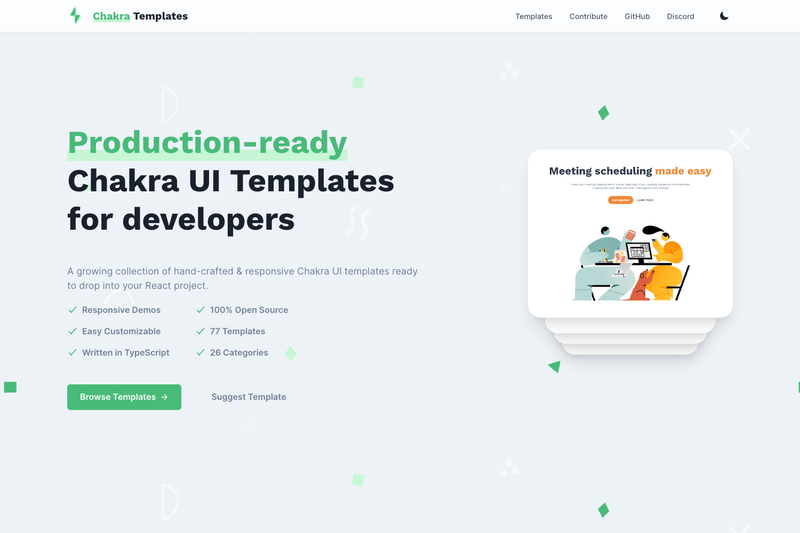
A growing collection of responsive Chakra UI Templates ready to drop into your React project.
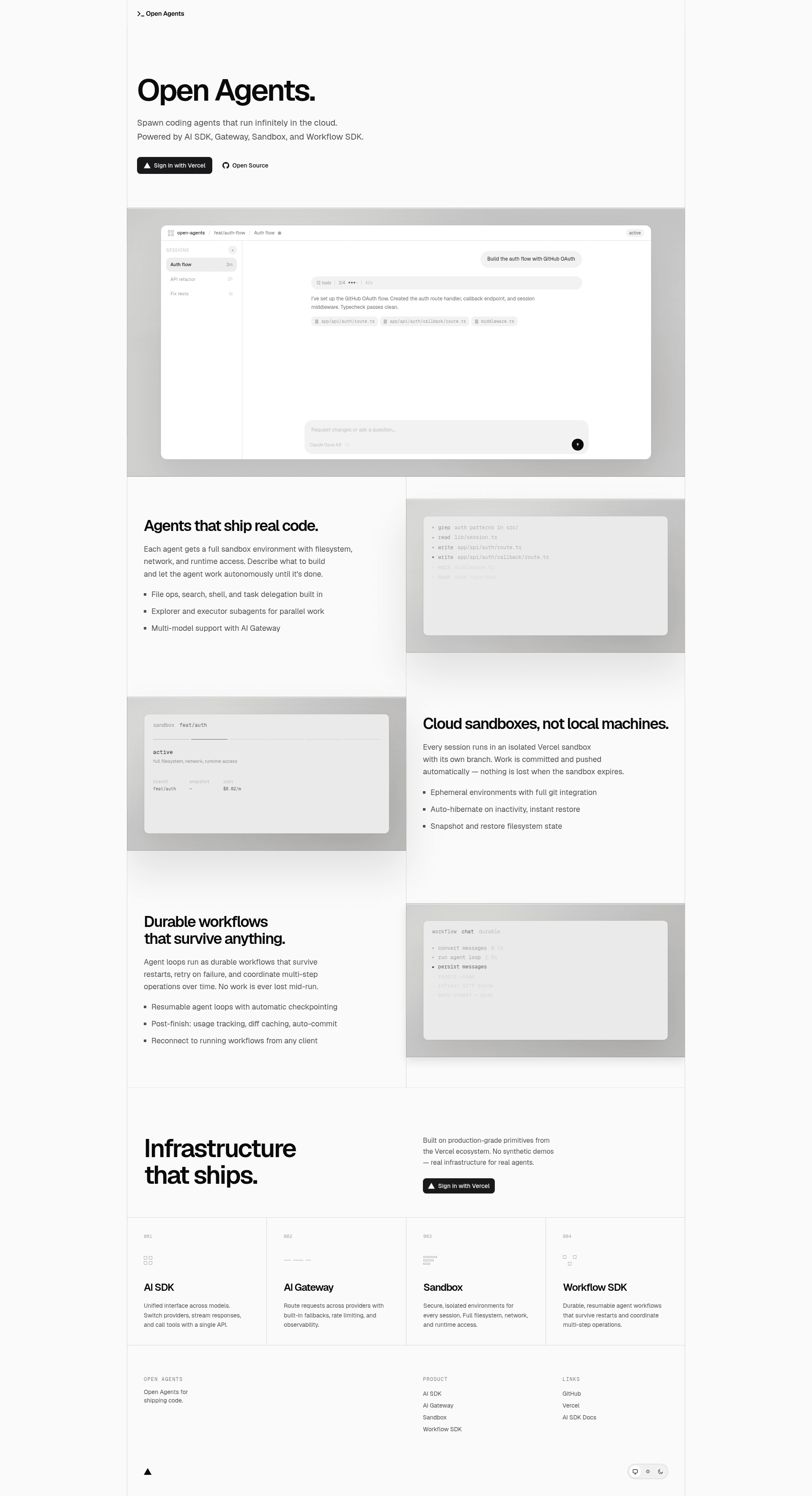
Open Agents is an open-source Vercel reference template for building and running background coding agents that convert a chat prompt into code changes — bundling a Next.js web UI, a durable agent workflow, sandbox orchestration, and GitHub integration for auto-commits and pull requests.
Open Agents is an open-source reference app from Vercel Labs for building and running background coding agents on Vercel. It takes a natural-language chat prompt as input and produces code changes in a cloned GitHub repository, with optional auto-commit, push, and pull-request creation. The project is organized as a three-layer system — a Next.js web app, a Workflow SDK-backed agent runtime, and isolated Vercel sandbox VMs — and is designed to be forked and adapted rather than treated as a black box.
The defining architectural decision is that the agent does not run inside the sandbox VM. The agent runs as a durable workflow outside the VM and interacts with it through tools such as file reads, edits, search, and shell commands — so agent execution is not tied to a single request lifecycle, sandboxes can hibernate and resume independently, and model/provider choices can evolve separately from the sandbox implementation.
Open Agents follows a three-layer architecture: web app → agent workflow → sandbox VM. The Next.js web app handles auth, sessions, chat, and streaming UI; the agent runs as a durable workflow on Vercel's Workflow SDK; the sandbox provides the execution environment with filesystem, shell, git, dev servers, and preview ports. Each agent turn can continue across many persisted workflow steps, and sandboxes can hibernate and resume via snapshots.
Pros:
Cons:
Open Agents is an open-source reference template for building and running background coding agents on Vercel. It provides a Next.js web UI, a durable agent workflow, isolated sandbox VMs, and GitHub integration, so a chat prompt can result in code changes committed to a repo — including a pull request — without keeping a laptop involved.
A GitHub App is required for the full coding-agent flow: cloning repos, working on branches, and pushing changes with optional PRs. For basic Vercel OAuth sign-in without repo access, you can deploy with only the Vercel OAuth credentials, but auto-commit and PR features won't work.
Setting OPEN_AGENTS_RESOURCE_PROFILE to hobby makes the app use Hobby-compatible defaults for chat and sandbox resources on Vercel; leaving it unset uses standard behavior. This is useful when deploying to a Vercel Hobby plan and wanting resource defaults that match it.
Yes. Enable Corepack, install dependencies with pnpm, copy apps/web/.env.example to apps/web/.env, fill in POSTGRES_URL and BETTER_AUTH_SECRET, and run pnpm web. If you already have a linked Vercel project, you can pull env vars locally with vc env pull.