Newsletter
Join the Community
Subscribe to our newsletter for the latest news and updates
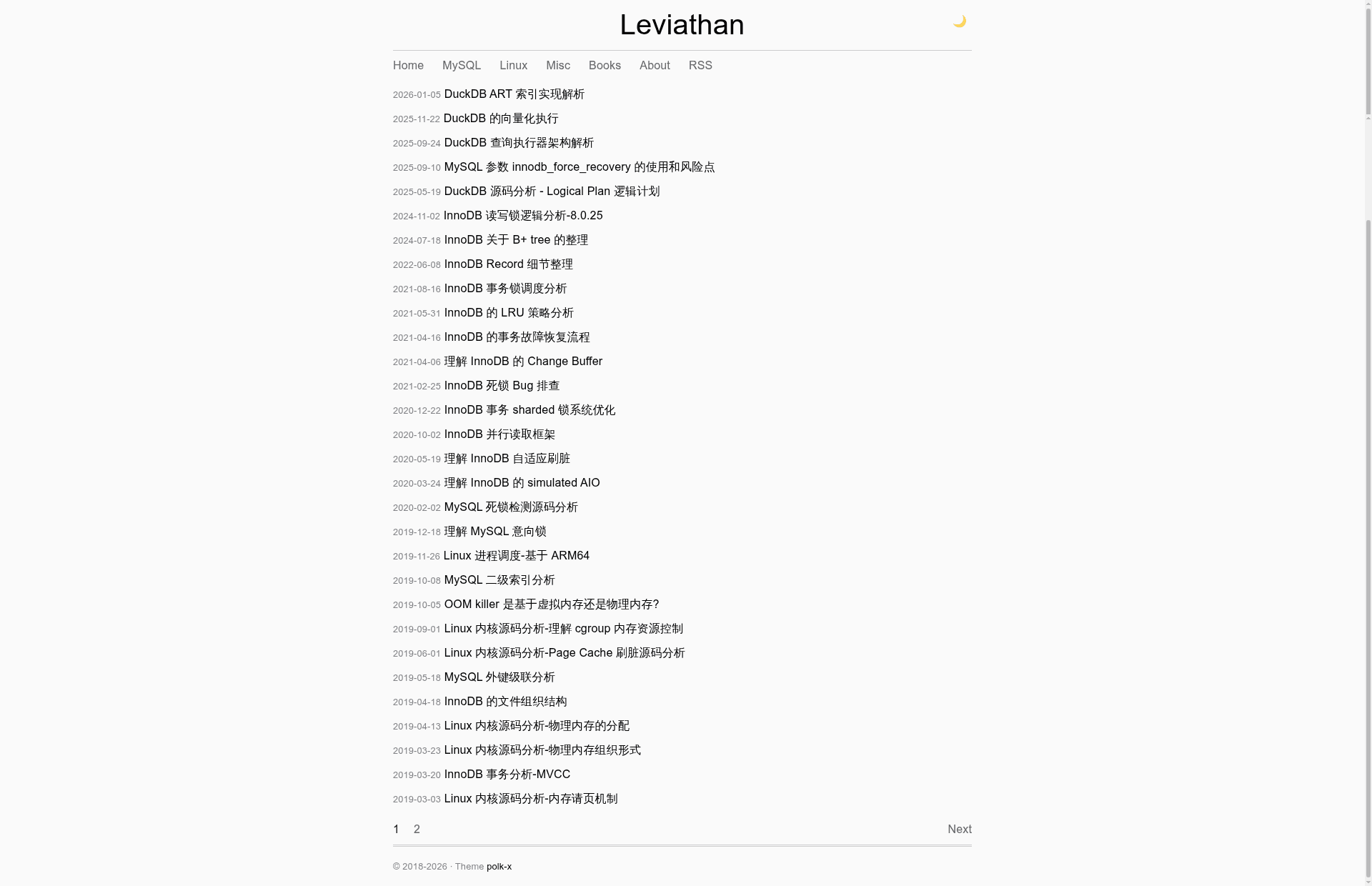
A minimalist Hugo blog theme with Atom feed, pagination, TOC, and easy customization.
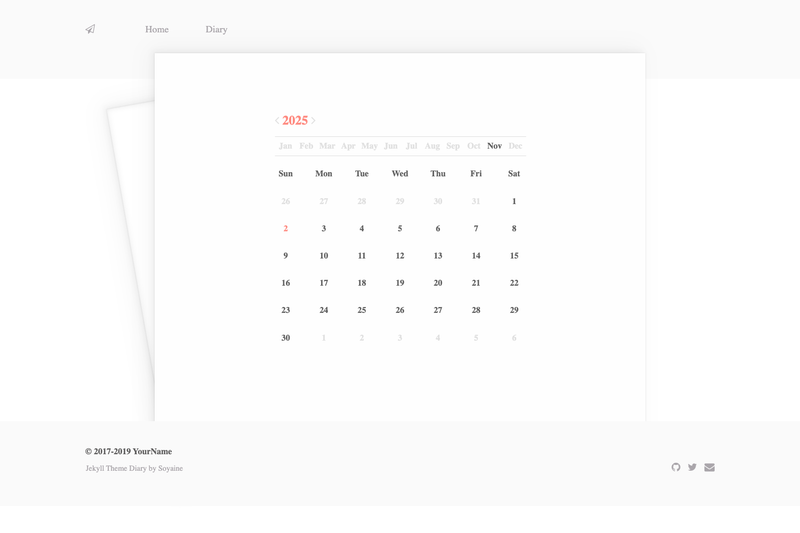
A minimal Jekyll theme for diary blogs with a calendar view, responsive layout, and configurable colors.
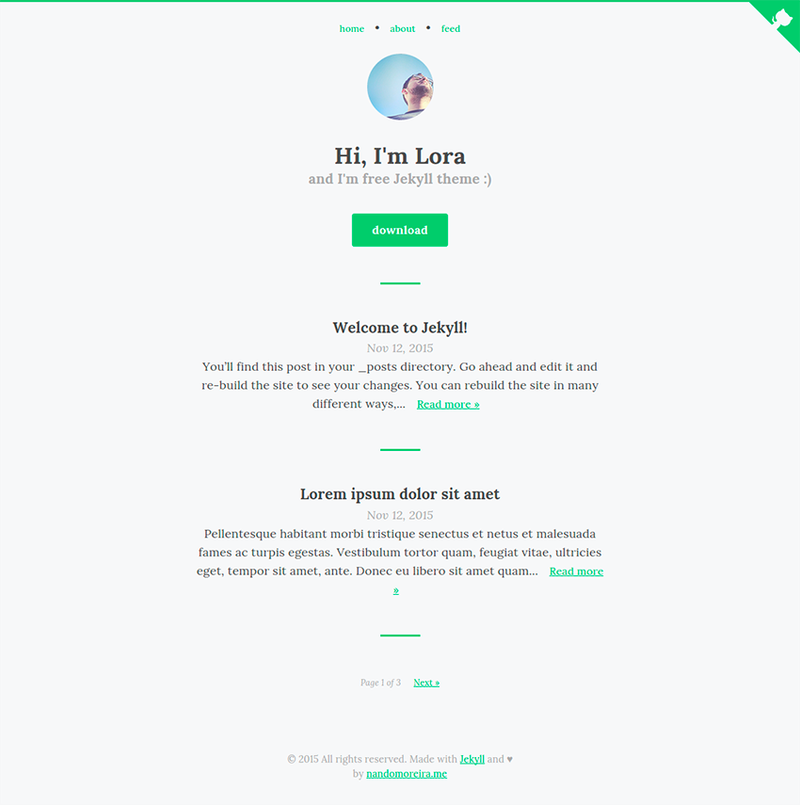
Free, MIT-licensed Jekyll blog theme with Rake automation for pages, posts, and GitHub Pages deployment.
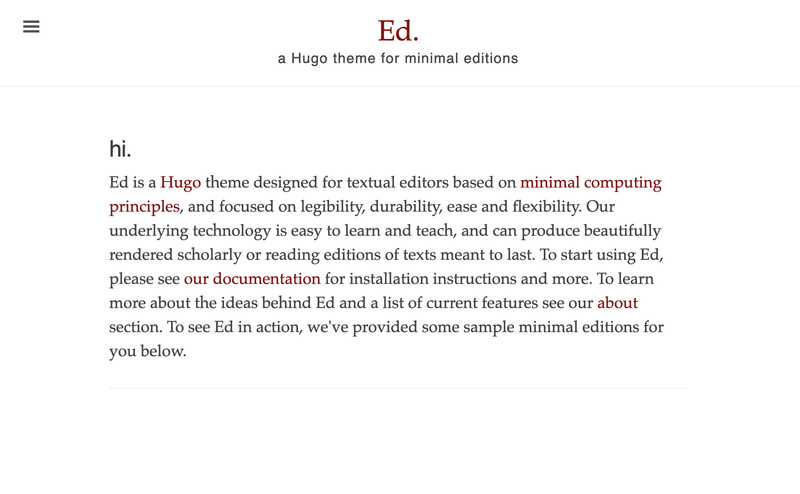
Ed is a minimal Hugo theme for textual editors, designed for legibility and low-bandwidth digital editions.
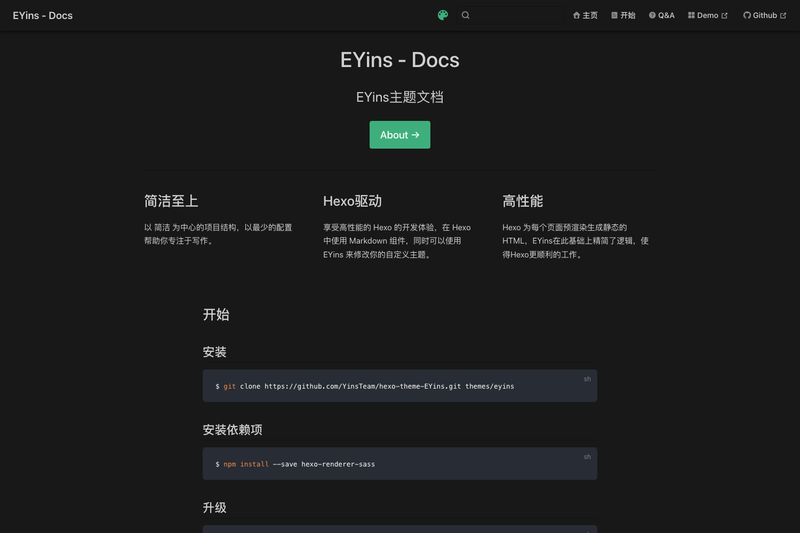
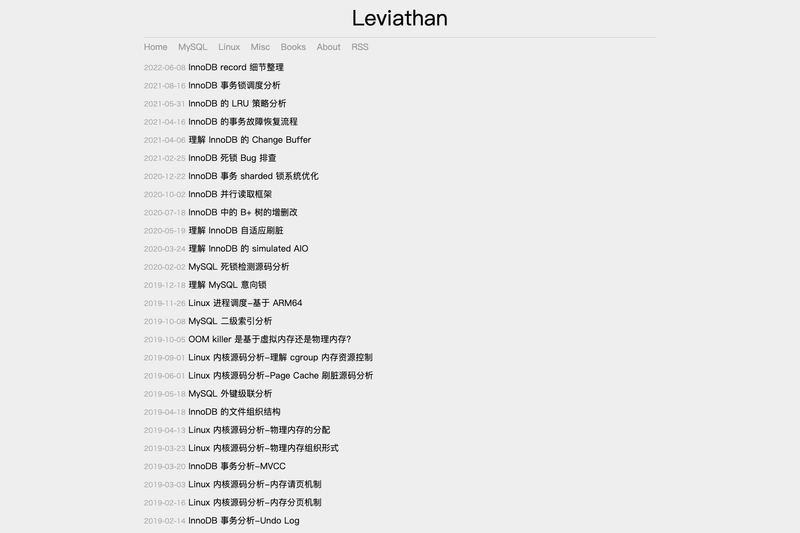
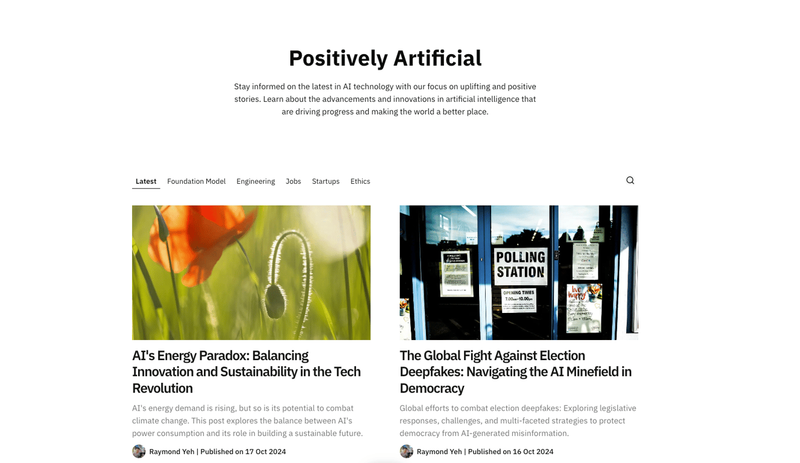
Minimalist, high-performance Hexo theme with multi-language support and Sass-based customization.
polk-x is a minimalist Hugo blog theme that turns Markdown content into a static blog with a built-in Atom feed, pagination, and an optional table of contents.
polk-x is a Hugo theme created by leviathan0992, adapted from the Hexo theme Polk. It takes Hugo site content written in Markdown and generates static HTML pages into the public/ directory on build. The theme supplies layouts for the homepage, post listing, single posts, standalone pages, and tag term pages, plus an Atom feed template. It uses plain CSS and JavaScript in static/css/style.css and static/js/main.js, with no external framework dependencies.
polk-x keeps the feature set minimal, so the template files stay small and readable. The theme directory separates base.html, list.html, single.html, terms.html, and partials for head, header, footer, paginator, and table of contents, making each part easy to locate and modify.
polk-x is aimed at bloggers and developers who want a plain, readable Hugo theme without a JavaScript framework. It suits personal blogs, tech blogs, and anyone who wants a straightforward starting point for a static site.
Install the theme by cloning the repository into themes/polk-x or adding it as a git submodule, set theme: polk-x in hugo.yaml, then run hugo server for local preview. The README's quick-start walks through five steps: clone, configure, create content, preview, and build with hugo --minify.
Yes, the theme is released under the MIT license, so you can use, modify, and distribute it freely.
The README lists Chrome, Firefox, Safari, and Edge as tested browsers.
No, the theme does not ship with comments. The README shows where to add third-party services like Disqus or Giscus in layouts/posts/single.html.
Add the ATOM output format and media type configuration shown in the README to your hugo.yaml, then the feed appears at /atom.xml.
polk-x is a Hugo port of the Hexo theme Polk, so it runs on Hugo's Go templating engine instead of Hexo's Node.js-based system.