Newsletter
Join the Community
Subscribe to our newsletter for the latest news and updates

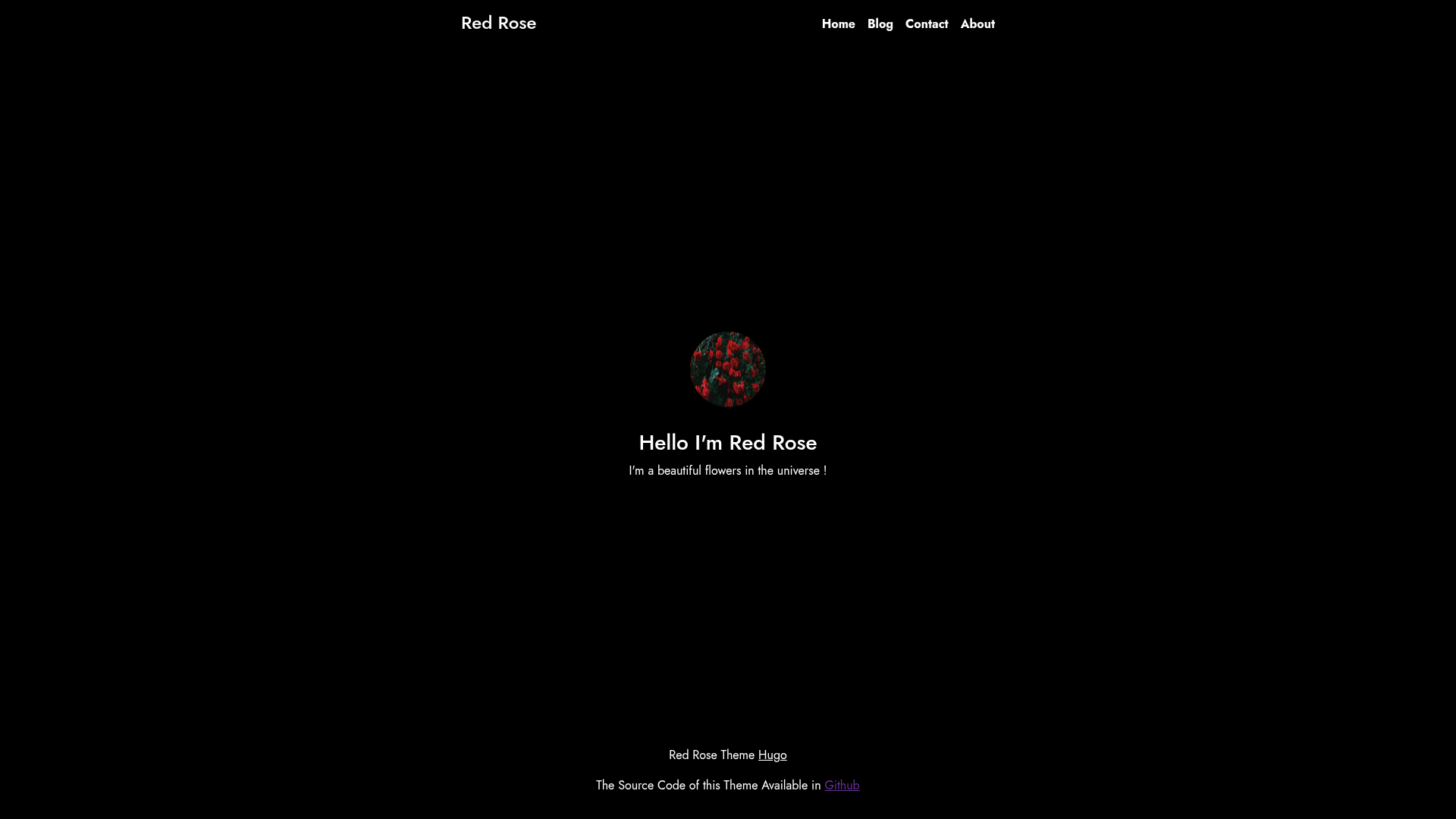
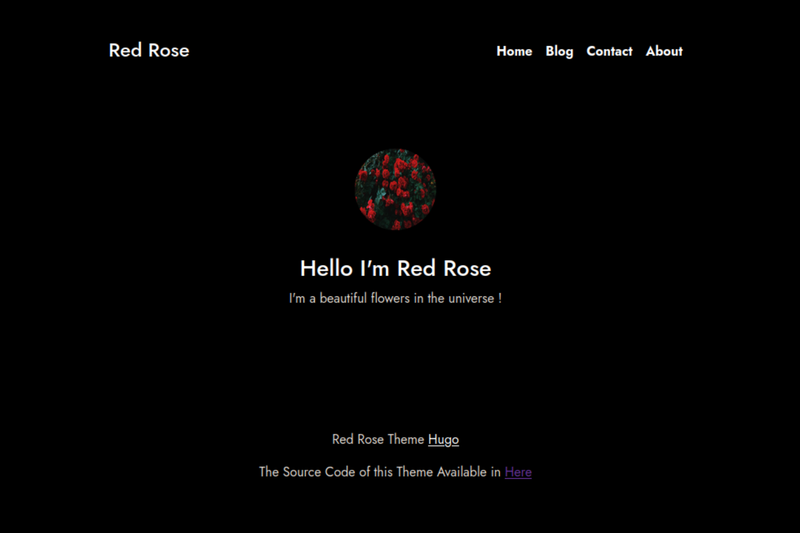
Red Rose is a dark, responsive Hugo blog and portfolio theme built with Bootstrap 5.2, featuring About, Tags, and List pages.
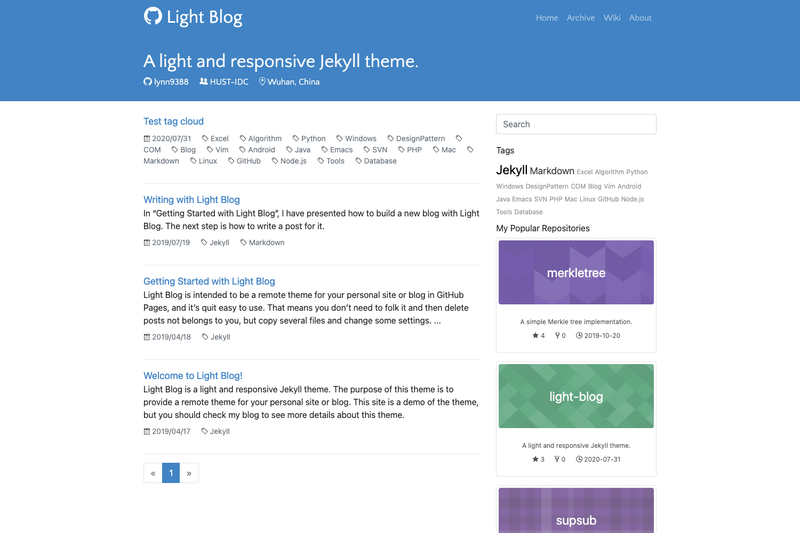
A light and responsive Jekyll theme for GitHub Pages, designed to be used as a remote theme.
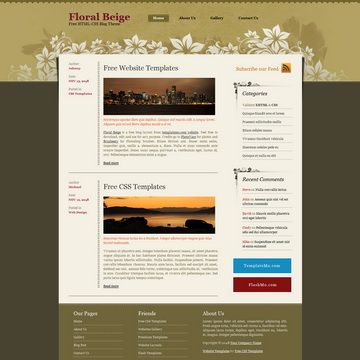
Free CSS blog template with floral beige header graphics, full blog post layout, and multi-level comments.

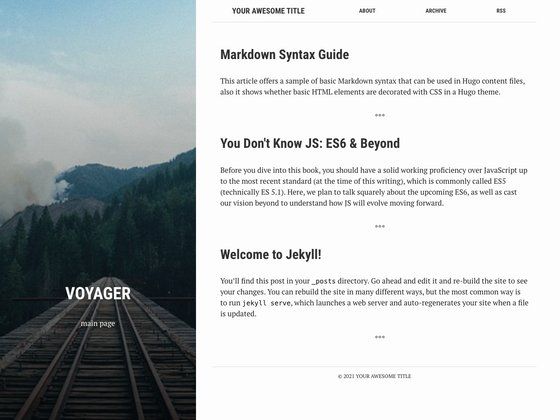
A clean, responsive Hugo blog theme with dark mode, pagination, and social sharing.
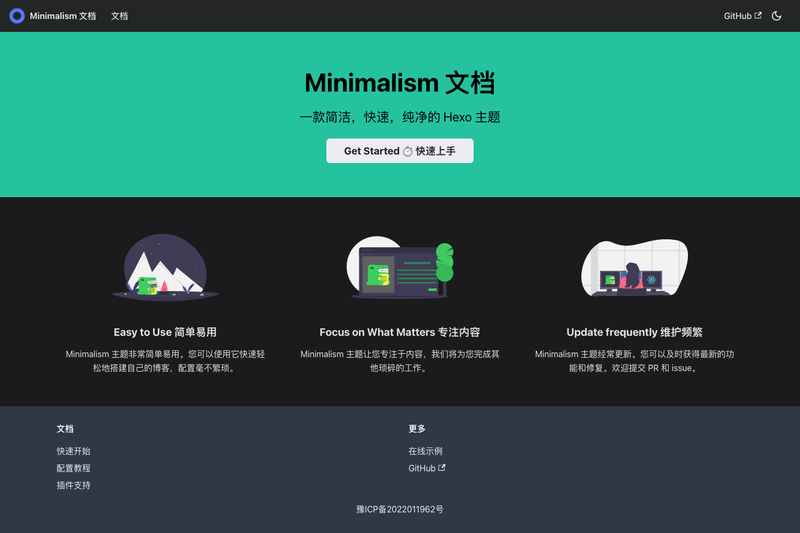
A simple, lightweight Hexo blog theme with dark/light mode, built using pure CSS and vanilla JavaScript.
Red Rose is a dark, fully responsive Hugo theme for blogs and portfolios, built on Bootstrap 5.2 and providing About, Tags, and List pages out of the box. The theme is released under the MIT License and maintained by the GitHub user httpsecure, who describes it as a "Hugo Blog Portofolio Dark theme."
Red Rose is a Hugo theme that turns Markdown content into a dark-styled blog or portfolio website. It takes standard Hugo site content — posts, tags, and author information — and renders it into a responsive layout using Bootstrap 5.2 as its CSS foundation. The theme includes About, Tags, and List templates, so a basic site structure is ready immediately after installation. A live demo is hosted at red-rose.netlify.app, with sample text from Wikipedia and flower images from Unsplash.
Red Rose suits developers who already know Hugo and want a no-frills dark theme to launch a blog or portfolio quickly. Hugo beginners can copy the example site and follow the Hugo quick-start guide to see a complete dark site in a few minutes. Freelancers and designers can use the About and List pages to present their work and bio without building a custom layout. Developers who prefer local assets can rely on the local Bootstrap and font for offline or network-restricted builds.
Yes. Red Rose is released under the MIT License, so you can use it for personal or commercial projects free of charge and even modify it.
The README notes that if you install Hugo manually, you must install the Hugo extended version. On Debian/Ubuntu, installing Hugo from the repository includes libsass1, which satisfies the requirement.
Red Rose uses Bootstrap 5.2. During development it uses a local Bootstrap file, and for production you can add the Bootstrap 5.2.1 CDN link to head.html.
The live demo is at red-rose.netlify.app. The demo content uses text from Wikipedia and flower images from Unsplash, and the theme is also available on GitHub at github.com/httpsecure/hugo-theme-red-rose.
Yes. It relies on Hugo's built-in Chroma highlighter. You wrap code in triple backticks with a language identifier, and the output is styled with the solarized-dark256 color scheme.