
Template details
Replicache Starter
Vercel template that deploys a Replicache-powered todo list app built with Next.js and Supabase, with realtime sync and offline support.
About this template
Replicache Starter is a Vercel deployment template that produces a working multiplayer todo list application built on Replicache, the client-side sync framework, together with Next.js and Supabase.
What is the Replicache Starter template?
The Replicache Starter is a Vercel template that deploys a complete Replicache-powered todo list application. Its inputs are a Supabase project (created first, with a database password you must save) and a Vercel deployment run; its output is a running multiplayer todo list you can extend into your own app. The stack pairs Replicache for client-side sync, Next.js for the web front end, and Supabase for the hosted backend database, all wired together by Vercel's Replicache integration. The template is published by the Replicache team and points to replicache.dev and doc.replicache.dev for framework documentation.
What makes the Replicache Starter stand out?
- Realtime collaboration — each user sees other users' changes as they happen, with no page reloads required.
- Instant, optimistic UI — the interface responds to changes immediately rather than waiting for a server round trip; optimistic updates are applied automatically.
- Offline resilience — the app can go offline for minutes or hours and sync back up when connectivity returns.
- Next.js front end — the todo list interface is built as a Next.js application deployed to Vercel.
- Supabase backend — Supabase supplies the database layer, and the Vercel integration provisions it during deployment.
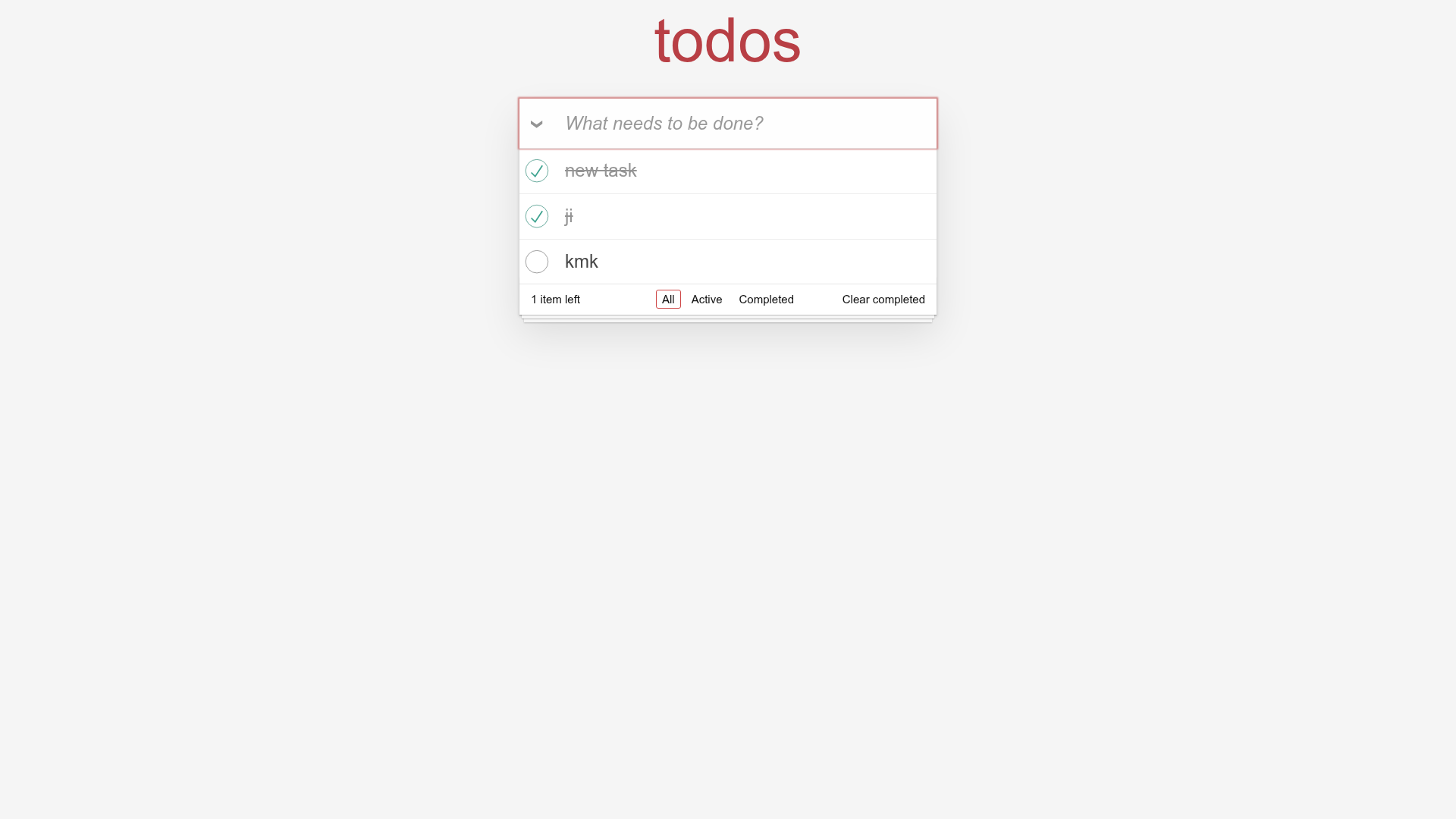
- Working todo list example — rather than a bare scaffold, the template ships a functional todo list to use as a reference implementation.
- Vercel integration flow — the Replicache integration prompts for the Supabase database password during the deploy step.
- Documentation and community links — the page points to full docs at doc.replicache.dev and a Discord server for setup help.
Who should use the Replicache Starter?
- Developers evaluating Replicache: deploy the template to see realtime sync, optimistic updates, and offline behavior in a working app before committing to the framework.
- Next.js developers building local-first apps: start from a todo list that already wires client-side sync to a hosted Postgres database instead of writing the sync layer from scratch.
- Small teams prototyping collaboration features: use the template as the base for any app where multiple users edit shared data simultaneously.
What can you do with the Replicache Starter?
- Local-first prototyping: stand up a todo list with instant UI updates and offline support in a single deploy, then replace the todo model with your own domain data.
- Sync architecture study: read the working code to understand how Replicache mutations, optimistic updates, and server reconciliation fit together with Next.js and Supabase.
- Multiplayer app baseline: reuse the Supabase plus Vercel provisioning path to launch collaborative apps without building backend infrastructure first.
How does the Replicache Starter work?
- Create a new Supabase project and copy the database password you choose, since it cannot be retrieved later.
- Deploy the template to Vercel and supply that saved database password when you reach the Replicache integration step.
- Vercel and Supabase provision the backend, and you get a running Replicache todo list app as the starting point for your own project.
FAQ
What is Replicache?
Replicache is a framework for building multiplayer web applications. It gives apps realtime collaboration so users see each other's changes instantly, instant UI through optimistic updates without server round trips, and offline resilience so an app can disconnect for minutes or hours and sync smoothly afterward.
Is the Replicache Starter free to use?
The template itself is distributed as an open repository on Vercel with 16 stars. Running it depends on your own Vercel and Supabase accounts, and any costs come from those platforms' plans rather than from the template.
Does the template need a Supabase account?
Yes. Setup starts by creating a Supabase project, and the deployment asks for that project's database password. Copy the password when you create the project, because it cannot be retrieved after that screen.
What does the template actually build?
It builds a full Replicache-powered todo list application. The todo list is a working example rather than an empty scaffold, so you can inspect the sync behavior and then use it as the basis for your own Replicache app.
Where can I get help with the Replicache Starter?
The page links to complete Replicache documentation at doc.replicache.dev and to a Discord community at discord.replicache.dev, where the team answers setup questions.