Newsletter
Join the Community
Subscribe to our newsletter for the latest news and updates

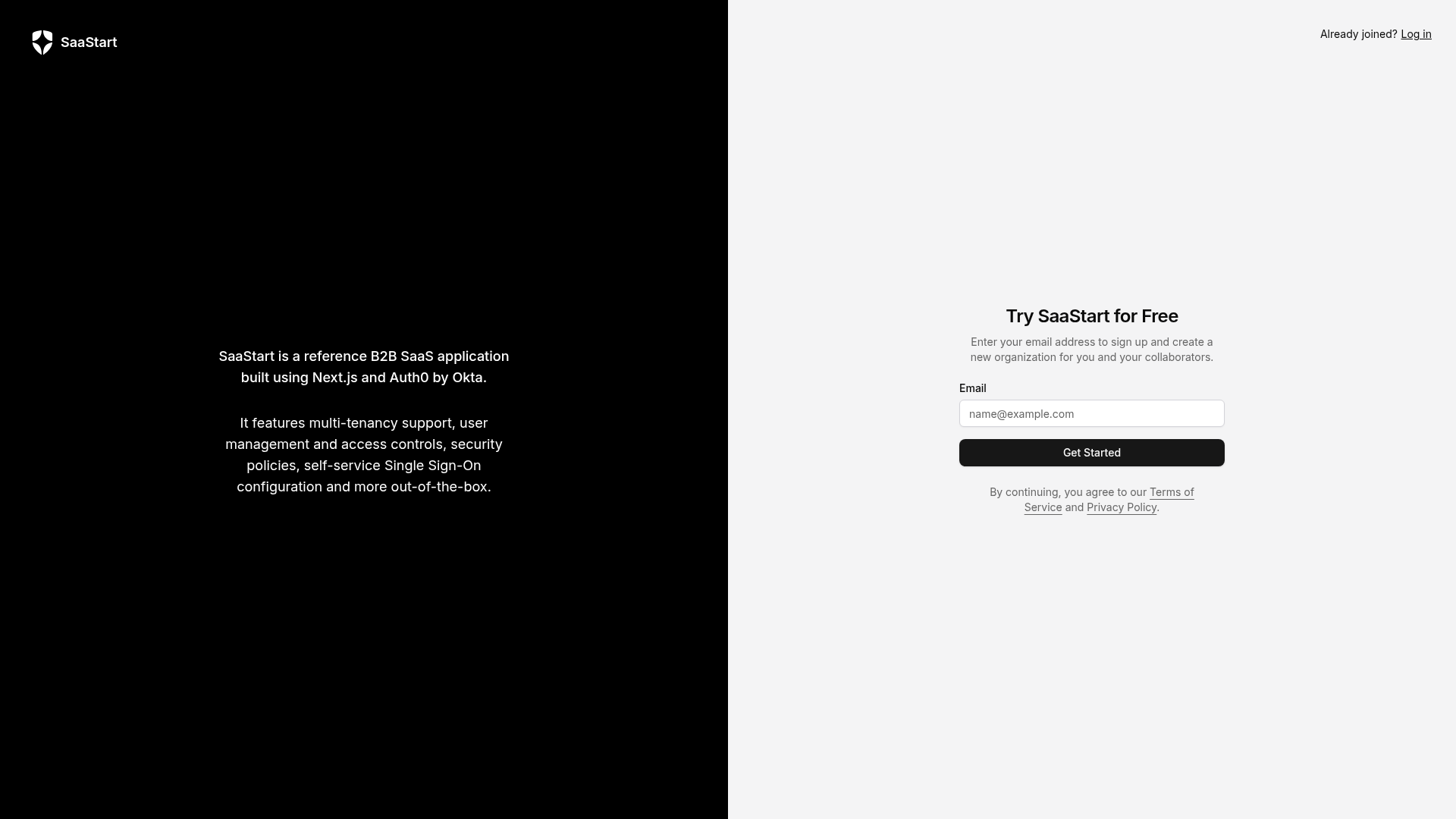
Auth0's B2B SaaS starter kit: Next.js + Radix UI with multi-tenancy, SSO, MFA, and user management built in.

A minimal Hugo boilerplate and demo presentation that showcases the reveal-hugo Reveal.js theme with programming quotes.
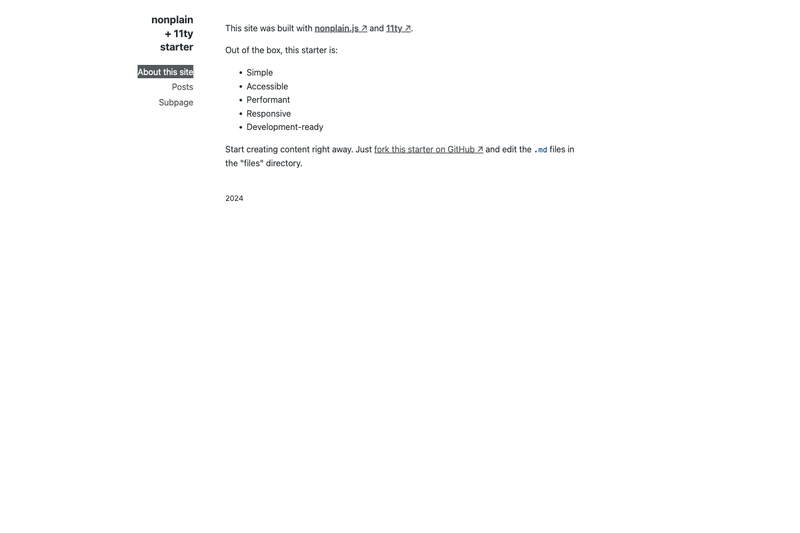
Create an 11ty website out of nonplain files
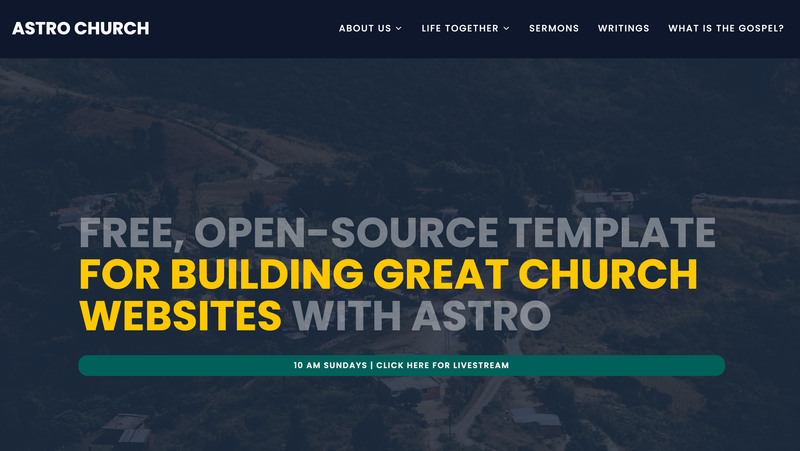
Free, open-source Astro theme for church websites with sermon management, blog, Google Calendar, and newsletter features.
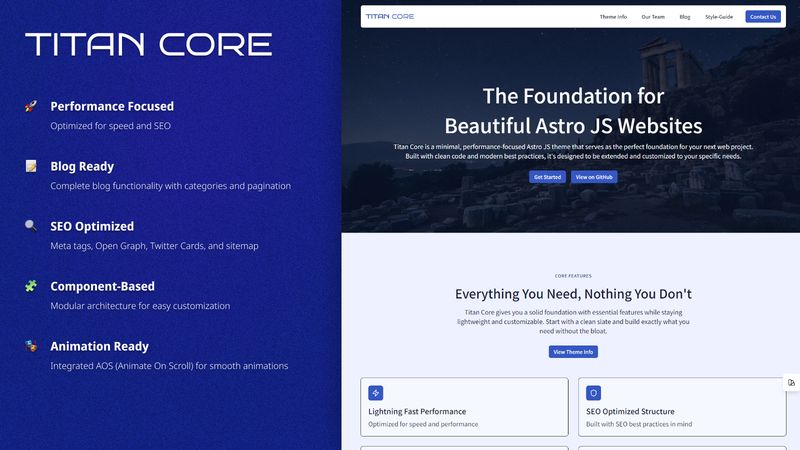
High-performance Astro theme for modern websites, blogs, and portfolios with multiple themes, blog support, and SEO optimization.
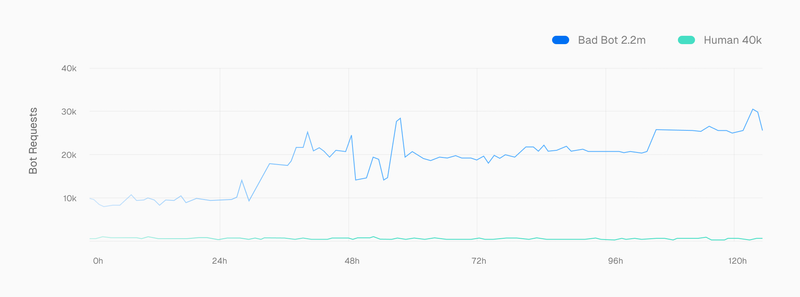
An AI chat app on Next.js that integrates Kasada bot protection to block abusive LLM API calls before they occur.
SaaStart is a full-stack B2B SaaS starter kit from Auth0 that combines Next.js and Radix UI with prebuilt Auth0 identity workflows for multi-tenant applications. It ships as a GitHub template that bootstraps an Auth0 tenant with organizations, roles, SSO connections, MFA policies, and email templates, so you can focus on product code instead of auth plumbing.
SaaStart is a reference application and starter template maintained by Auth0 for building business-to-business software-as-a-service products. It takes a Next.js application shell, wires it to an Auth0 tenant through an automated CLI script, and produces a working multi-tenant app with sign-up, user management, SSO, and security policies. The template runs on Node.js v20 or later, uses npm for dependency management, and offers one-click deployment to Vercel.
npm run auth0:bootstrap script creates the required Auth0 applications, roles, actions, email templates, and MFA factors, then writes a .env.local file automatically.After cloning the repo, you install dependencies, install the Auth0 CLI, and log in with auth0 login --scopes "update:tenant_settings,create:connections,create:client_grants,create:email_templates,update:guardian_factors". Running npm run auth0:bootstrap provisions the Auth0 resources and writes .env.local. Finally, npm run dev starts the Next.js dev server at http://localhost:3000.
The template itself is open source and free to use. You do need an Auth0 tenant, which offers a free tier, and the bootstrap script will configure that tenant automatically.
Node.js v20 or later is required. The README recommends using nvm to manage Node versions and verifies the version with node -v before installing dependencies.
Yes, a one-click Vercel deployment button is included, and the README-ADVANCED.md file covers enabling HTTPS and production-like URLs for local iteration.
It uses Next.js with the App Router (the main entry point is app/page.tsx), Radix UI for accessible components, npm as the package manager, and Auth0 for authentication and authorization.