Newsletter
Join the Community
Subscribe to our newsletter for the latest news and updates

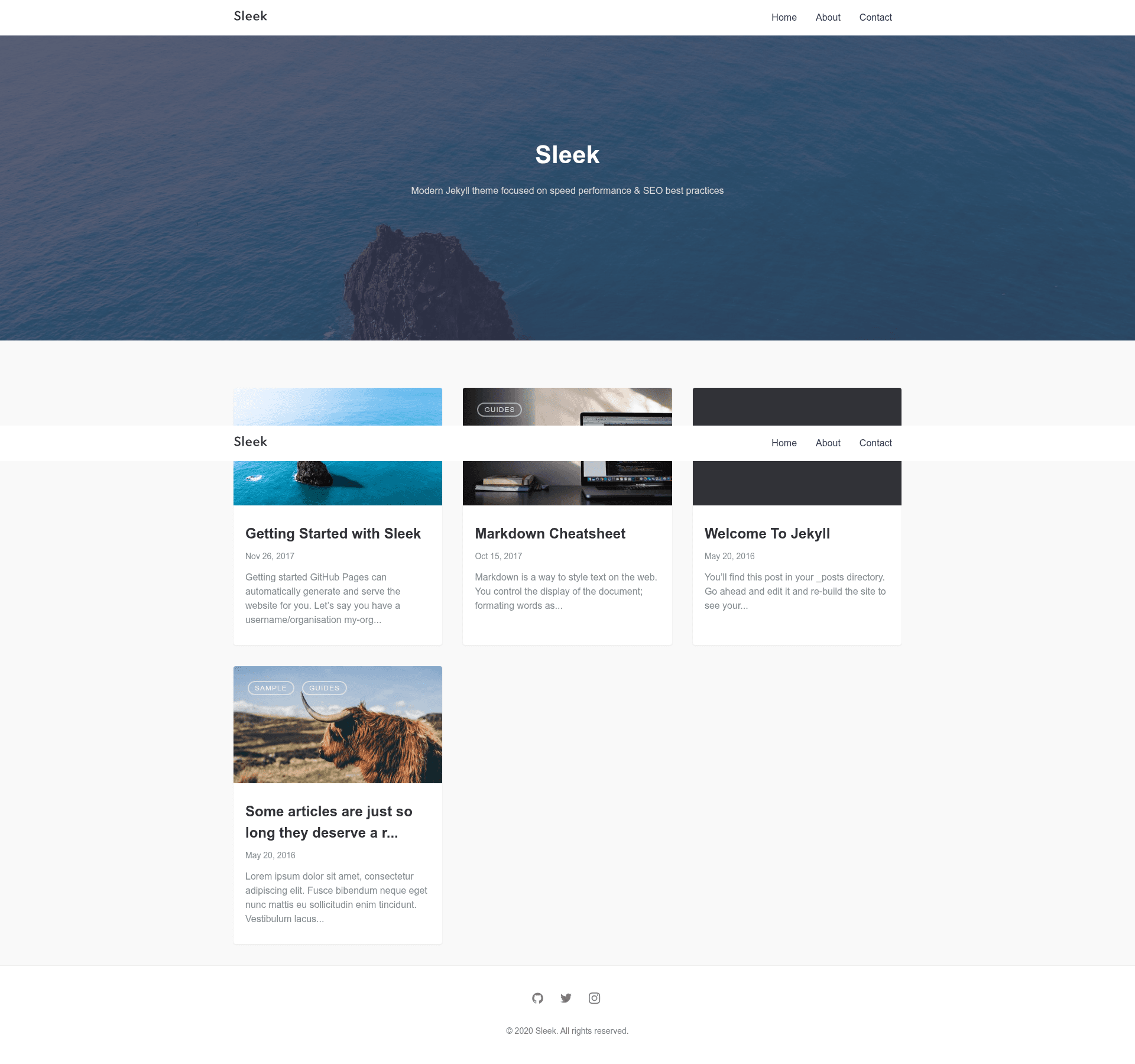
A modern Jekyll theme focused on speed performance and SEO best practices.
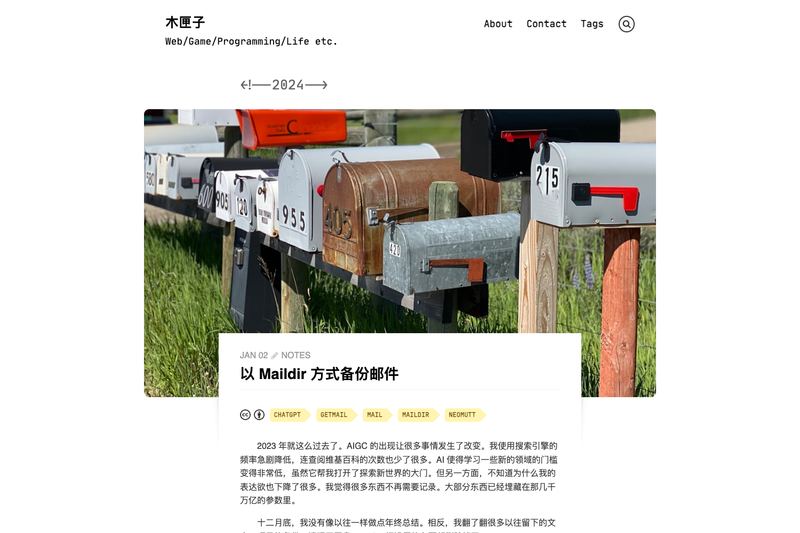
A SCSS-based Hexo theme for the personal blog at blog.mutoo.im.
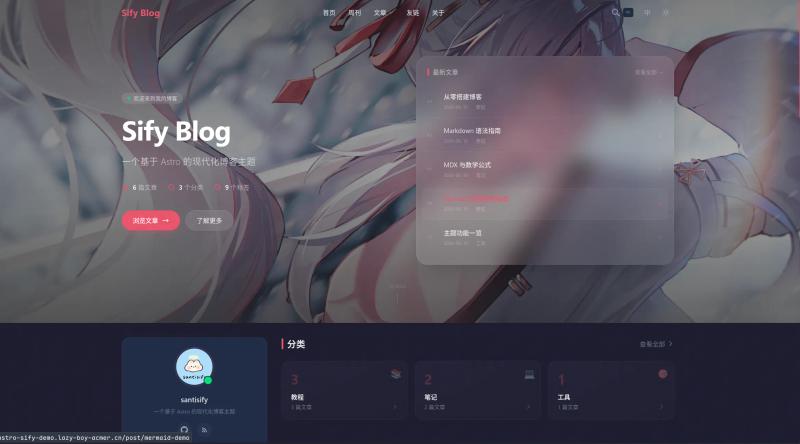
A modern open-source blog theme built with Astro 6 and Tailwind CSS v4, featuring MDX, KaTeX math, Mermaid diagrams, full-text search, and Waline comments.
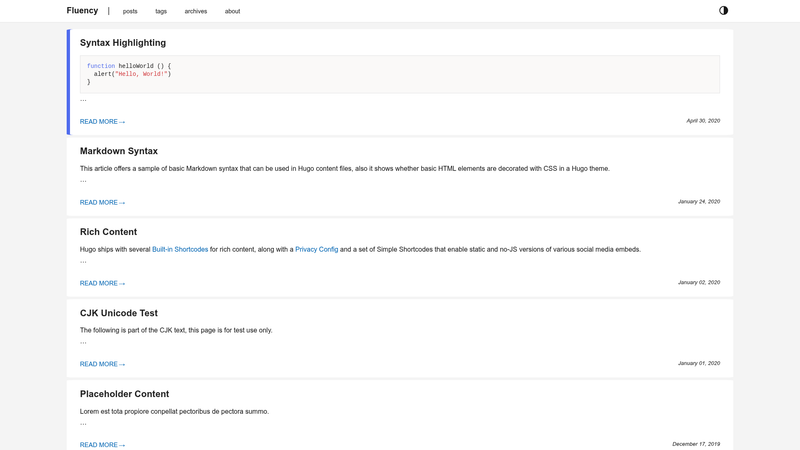
A fluent Hugo blog theme with IonIcons, Netlify demo, and Git submodule installation.

An elegant Material Design–style theme for Hexo with dark mode, LaTeX math, mermaid diagrams, and built-in search, comments, and analytics.
Sleek is a modern Jekyll theme that focuses on speed performance and SEO best practices, distributed as a Ruby gem and a GitHub repository for building fast, static blogs and personal sites.
Sleek is a Jekyll theme focused on speed performance and SEO best practices. It takes a standard Jekyll site directory—layouts, includes, Sass partials, posts, and pages—and compiles them into a static, responsive website. The theme ships with the jekyll-seo-tag plugin preinstalled, supports Google Tag Manager, Disqus comments, and Formspree contact forms, and is developed by Jan Cizikow at https://github.com/janczizikow/sleek. It can be installed as a gem in any Jekyll site.
jekyll-seo-tag plugin adds title, description, Open Graph, and other meta tags for better search visibility._config.yml and the tracking snippet is included on every page, including in development mode._config.yml to add comment threads to blog posts._config.yml routes submissions through Formspree, with an optional AJAX submission for Formspree Gold accounts.gulp img command converts .jpg files in the _img folder into optimized images and thumbnails.gulpfile.js automates Sass compilation, JavaScript bundling, image optimization, and serves the site at http://localhost:3000; Node.js 8 or higher is required._posts folder, set the layout: post and a title in front matter, and add a hero image via featured-img to get a polished post._config.yml; the built-in contact page submits through Formspree, and you can uncomment the AJAX function in _js/scripts.js for Gold accounts._config.yml and the theme's layouts, then use bundle exec jekyll serve or gulp to preview changes locally.After forking or cloning the repository, run bundle install and npm install in the project directory. Then start the development server with either gulp (which runs the full asset pipeline) or bundle exec jekyll serve. For an existing Jekyll project, add gem "jekyll-sleek" to the Gemfile and set theme: jekyll-sleek in _config.yml, then run bundle. The theme's files are organized into _includes, _layouts, _sass, _pages, and assets, with the homepage defined in index.md.
Sleek is free and open source under the MIT License. There are no paid tiers or premium features; you can use, modify, and redistribute the theme freely.
Yes, Sleek is released under the MIT License, so it is completely free to use, modify, and distribute. The source code is available on GitHub, and you can install it as a Ruby gem from RubyGems.
Yes, Sleek is explicitly compatible with GitHub Pages. You can fork the repository, push your changes, and enable GitHub Pages in the repository settings to publish your site. Open-source projects with public repositories can also use GitHub Pages free of charge.
In the post's front matter, set featured-img to the image name (for example, featured-img: sleek), then upload a .jpg file with the matching name to the _img folder. Run gulp img to generate optimized versions and thumbnails, and restart the Jekyll server to see the change.
Add your Disqus shortname to the _config.yml file under the key disqus: shortname: your_shortname. The theme will then display Disqus comment threads on blog posts automatically. If you leave the shortname empty, comments are disabled.
As of the README, the theme is marked as no longer actively maintained. The repository is still available and functional, but the author has stated that it does not receive active updates. You may want to test the theme with your specific Jekyll version before production use.