Newsletter
Join the Community
Subscribe to our newsletter for the latest news and updates

A clean Hugo theme that splits a landing page to redirect visitors to multiple sites.
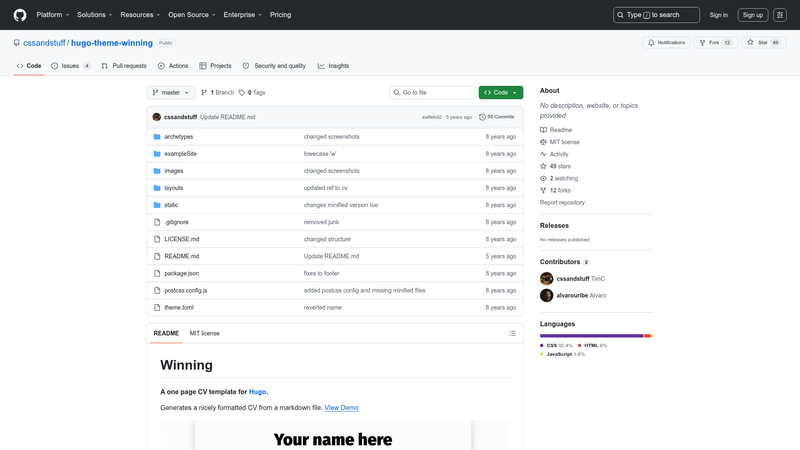
A one-page Hugo CV theme that renders a markdown résumé as a formatted page with optional PDF export.
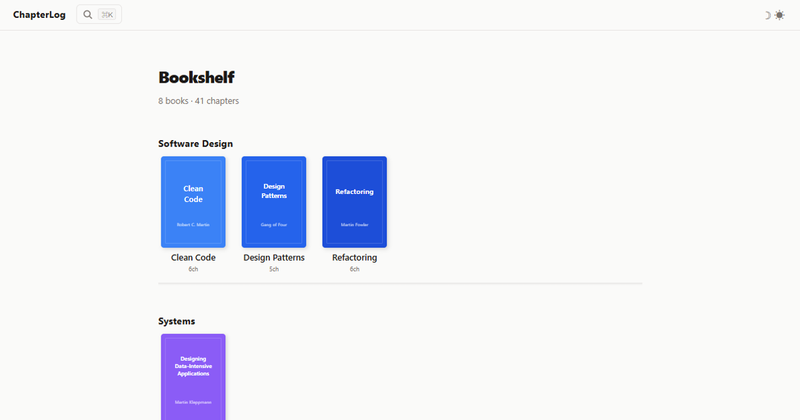
An Astro theme for building your personal bookshelf — organize books by chapter with a clean, wiki-style layout.

A Jekyll personal website template using Bootstrap and Material Design, built for GitHub Pages and local preview.
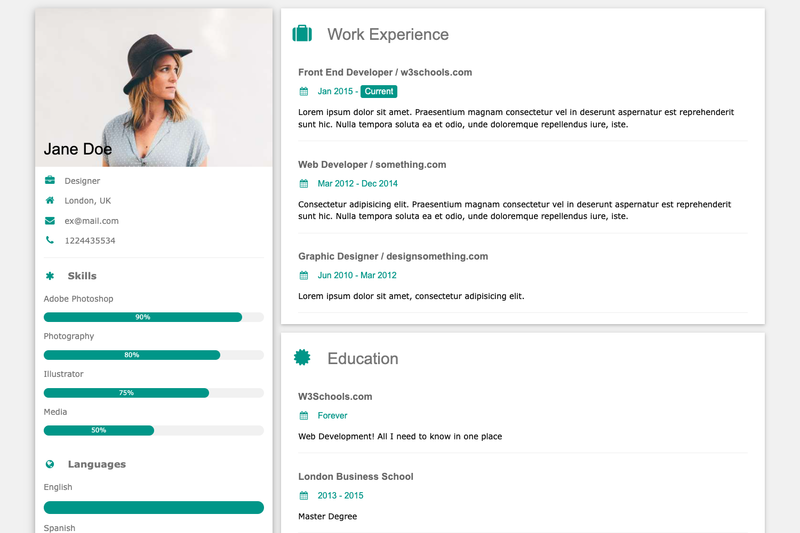
CV theme for Astro with Forestry CMS integration, Google Fonts, Font Awesome icons, and one-click Netlify deployment.
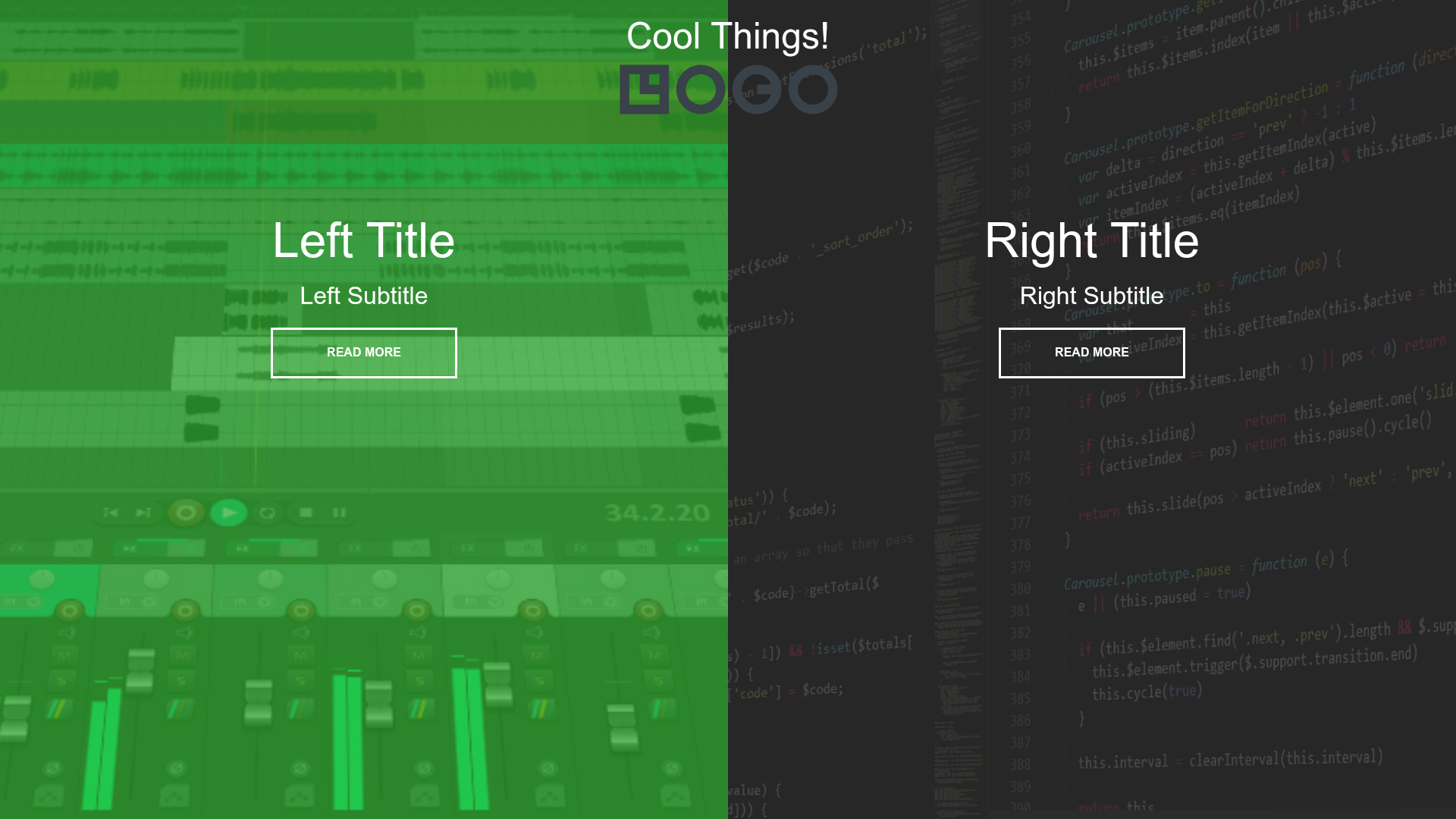
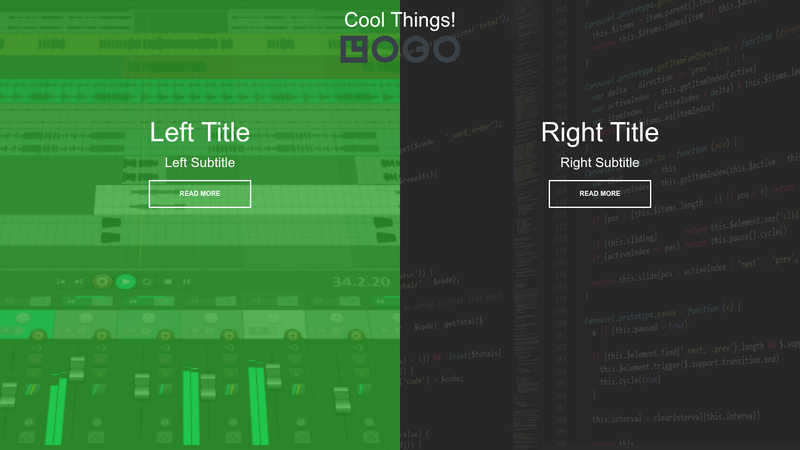
Split Landing is a minimal Hugo theme that presents a split-screen landing page with two clickable panels, allowing visitors to choose between multiple destination sites.
Split Landing is a lightweight Hugo theme designed to redirect visitors to multiple sites from a single landing page. It takes an Hugo project configured through config.toml and produces a static page with two visually distinct panels, each linking to a separate URL. The theme is maintained by katamarijr on GitHub and is directly inspired by a CodePen example and YouTube tutorial by Brad Traversy, which demonstrates the split-screen interaction.
make example starts a local demo before you configure anything.https://katamarijr.github.io/split-landing/, and the original UI is from Brad Traversy's CodePen.Split Landing suits developers and site owners who need a simple, low-friction way to route visitors to two different destinations.
The workflow is straightforward: create a new Hugo project, create a /themes directory, and git clone this repository into it. Then copy config.toml from /themes/split-landing/exampleSite to your project root and edit the parameters (such as destination URLs and titles) to match your needs. For a quick preview, clone the repo and run make example to spin up the demo locally.
The repository is publicly available on GitHub with a star count of 5, and no licensing restrictions are stated on the page. Since it's a Hugo theme hosted openly, you can clone and use it in your own projects.
Split Landing generates a landing page split into two halves, each acting as a large link to a different site. It's a simple way to present visitors with a choice between two destinations rather than a traditional navigation menu.
Edit the values in the config.toml file at the root of your Hugo project. The theme reads these parameters to populate the panel titles and link URLs; the exampleSite directory shows all available settings.