Newsletter
Join the Community
Subscribe to our newsletter for the latest news and updates

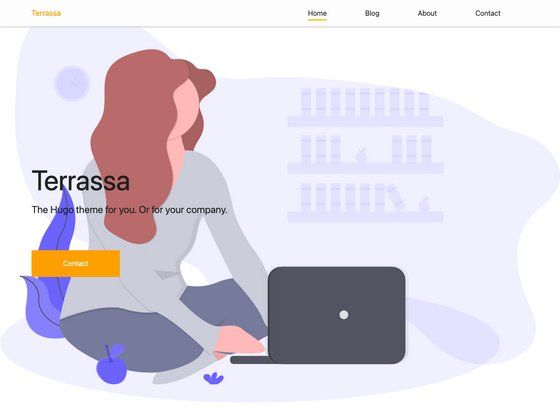
Terrassa is a simple, fast, responsive Hugo theme focused on accessibility, with a contact form, multilingual support, and blog-ready layouts.
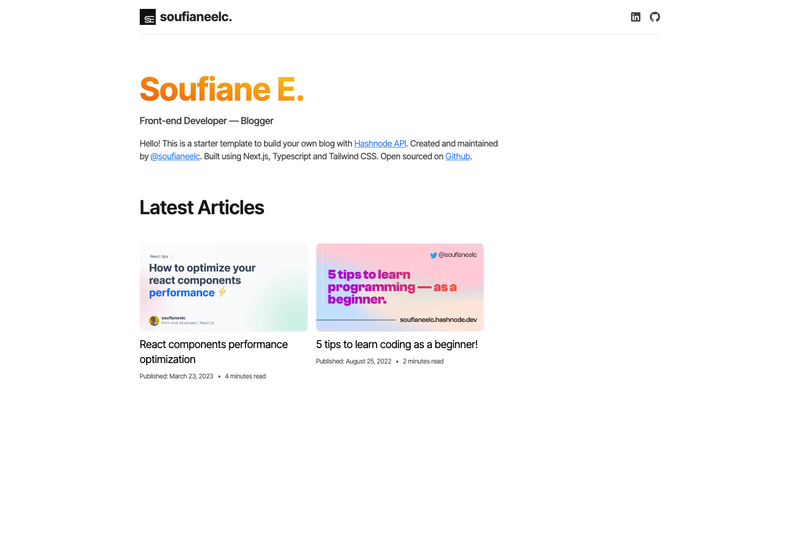
Next.js blog template built on the Hashnode API with Tailwind CSS and TypeScript.
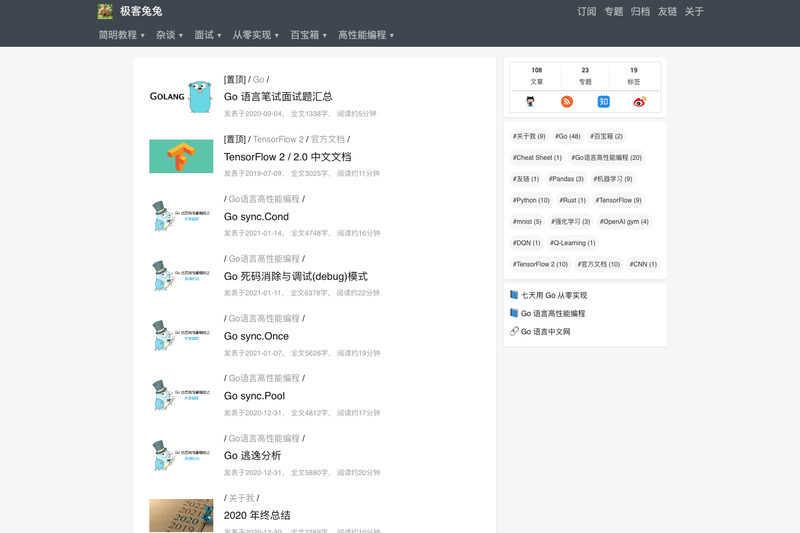
A fast-loading Hexo blog theme with no third-party JS libraries, featuring tags, archives, series, QR codes, Gitalk, and rewards.
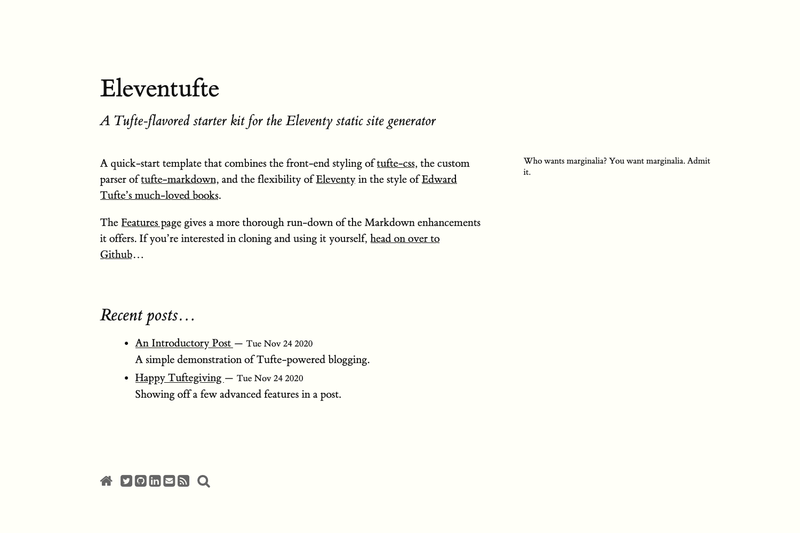
An Eleventy starter template that combines tufte-css and tufte-markdown to create a Tufte-styled static blog.
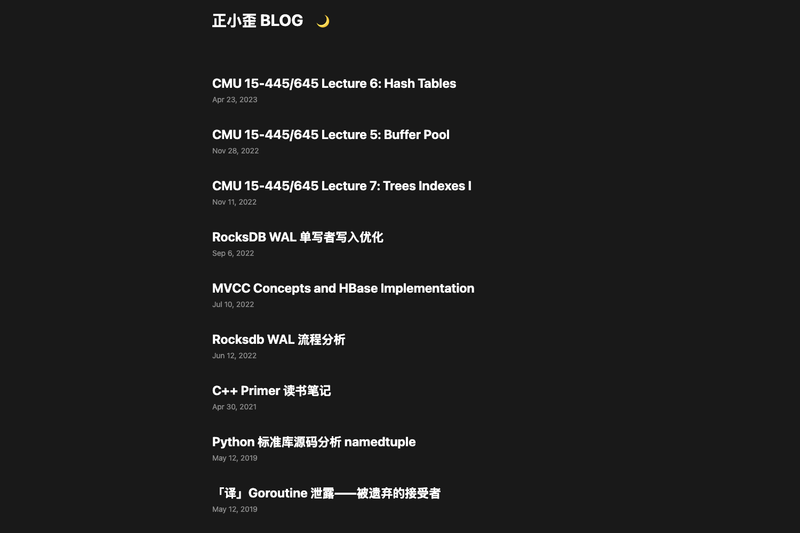
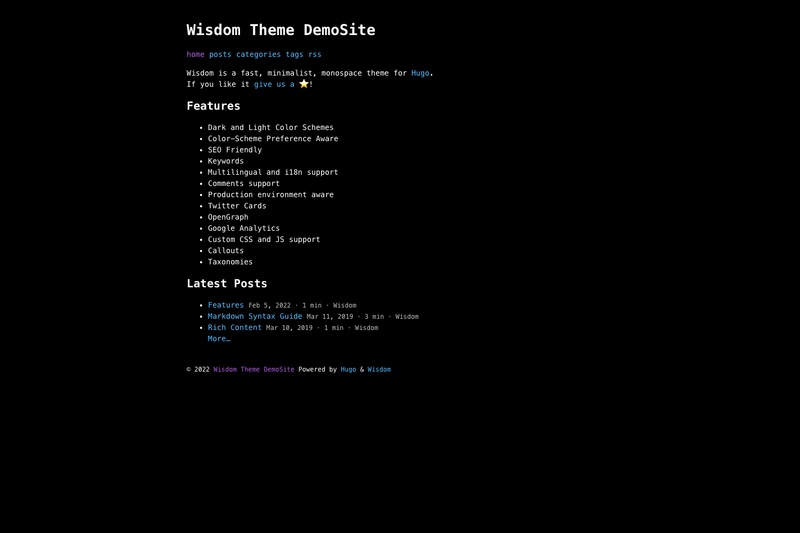
The simple theme for hexo. which has no futures, just very simple.
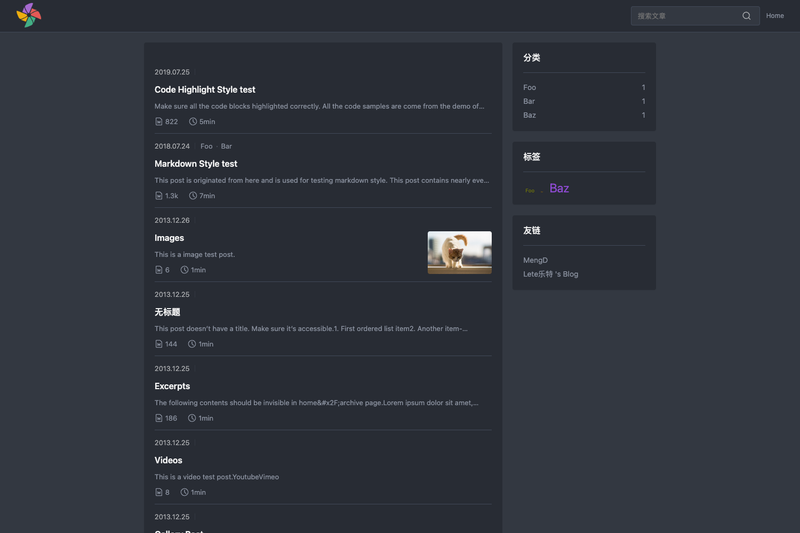
A simple, lightweight Hexo theme with PJAX and comment system integrations.
Terrassa is a simple, fast, and responsive Hugo theme built from scratch with a strong focus on accessibility, and it includes a contact form, multilingual support, and blog-ready layouts.
Terrassa is a Hugo theme created by Daniel Kvist that transforms Hugo content (markdown files for posts, pages, and home-page sections) into a static website with a coherent responsive design. The theme is written in Go templates and is archived on GitHub, meaning the author is no longer actively maintaining it. It ships with archetypes for blog posts, sections, and pages, and it integrates with Netlify for contact form handling.
theme = "terrassa" to your config.toml and set parameters for hero, call-to-action, contact info, social networks, Font Awesome, posts, and form.hugo new posts/example.md for posts, hugo new _index.md -k page for the home page).Yes, Terrassa is an open-source Hugo theme. The GitHub repository is publicly available, and you can clone or download it for free. The project is archived, but the code remains usable.
Yes, Terrassa has multilingual support. You can define multiple languages in config.toml, each with its own content directory and parameters. The theme also includes an optional language switcher in the header.
In config.toml, under the form parameter, you can set the form action, method, Netlify flag, and the names, labels, and placeholders for the name, email, and message fields. The message textarea length defaults to 750 characters.
Create an assets folder in your Hugo project, then create assets/css/custom.css. Terrassa loads custom.css automatically, letting you override the theme's default styles.
No, the author archived the project. The README states that Daniel Kvist decided to archive Terrassa because he migrated to other technologies and no longer has time to maintain it.