Newsletter
Join the Community
Subscribe to our newsletter for the latest news and updates

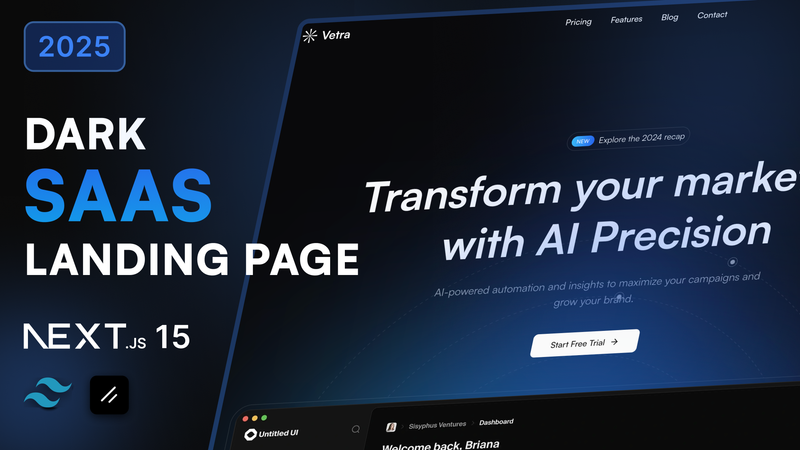
AI marketing automation platform landing page built with Next.js 15, Tailwind CSS, and Framer Motion.
Open-source toolkit to create custom AI influencer personas with Stable Diffusion, gTTS, and SadTalker.
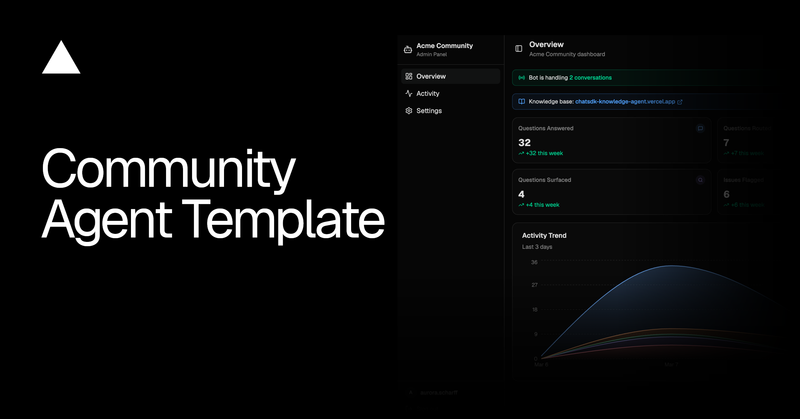
Draft blog posts, LinkedIn posts, release notes, and newsletters in your team's house voice without leaving Slack.
Vetra is an open-source, MIT-licensed landing page template for an AI marketing automation platform, built with Next.js 15, TailwindCSS, and Framer Motion by Shreyas Sihasane.
Vetra is a landing page template that presents an AI-powered marketing automation platform to visitors. It takes a developer's project files and environment configuration as input and produces a fully styled, animated marketing website that can be deployed to Vercel. The template runs on Next.js 15 and is authored by Shreyas Sihasane, who also maintains a live preview at vetra-app.vercel.app.
NEXT_PUBLIC_APP_URL environment variable.Vetra is suited for developers and founders who need a professional landing page for an AI SaaS product. Frontend developers can clone the repository, install dependencies with pnpm or yarn, and customize components. AI startup teams can use the template to present their marketing automation tool to early adopters. Designers comfortable with React can modify Tailwind classes to match their branding.
After cloning the repository, run pnpm install or yarn install to install dependencies. Create a .env file with NEXT_PUBLIC_APP_URL set to your application URL. Start the development server with pnpm run dev or yarn dev on localhost:3000. To deploy, connect the repository to Vercel, which auto-detects Next.js.
Yes, Vetra is released under the MIT License, so you can freely use, modify, and distribute it for personal or commercial projects.
Vetra is built with Next.js 15, TailwindCSS, Shadcn UI, Framer Motion, TypeScript, and Number Flow. It uses pnpm or Yarn for package management.
Push the repository to GitHub and import it on Vercel's platform. Vercel automatically detects Next.js and builds the project. Set the NEXT_PUBLIC_APP_URL environment variable to your production URL.
Yes, you can edit components, Tailwind classes, and content directly in the repository. The project supports standard Next.js development workflows with hot reload during development.