Newsletter
Join the Community
Subscribe to our newsletter for the latest news and updates

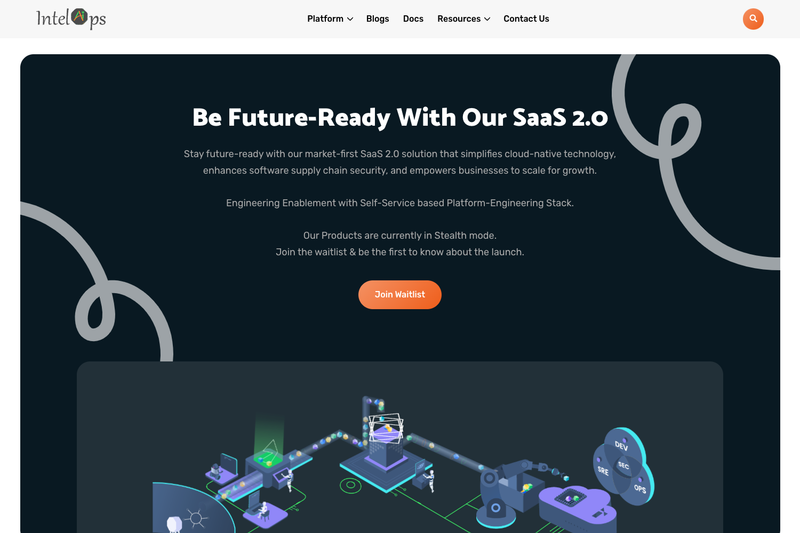
Hugo framework repository for the Intelops website, with blog, docs, learning center, and configurable theme.
Example project on how to create a photo sharing app with Strapi GraphQL, Postgres and Cloudinary

Minimal Python serverless function example for Vercel with one-click deploy.

A full-stack admin development platform built with Vue 3, Gin, and GORM, featuring JWT auth, dynamic routing, and code generation.
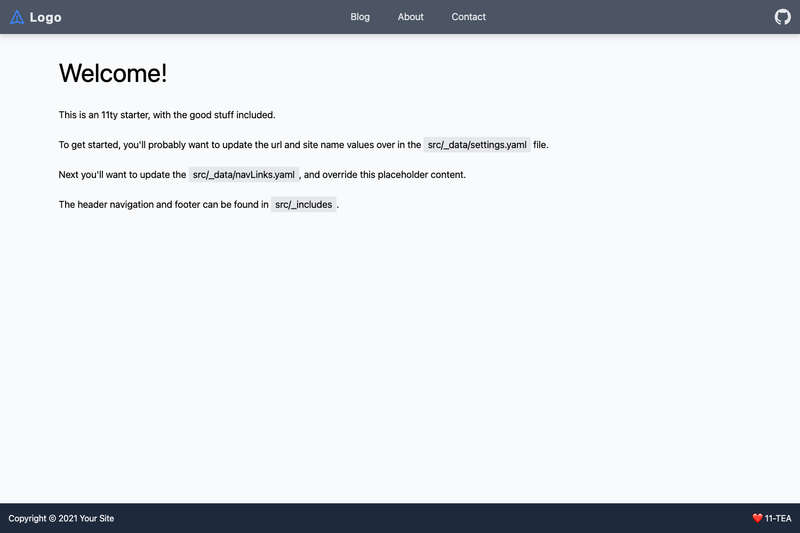
Eleventy starter with Tailwind 3, AlpineJS 3 for building static sites with a fast JIT-enabled workflow.
Barebones starter for a headless Craft CMS & Gatsby configuration.
Website is the Hugo framework repository behind the Intelops corporate site, built to manage multi-section content like Blog, Docs, Learning Center, and Open-Source pages from Markdown files.
Website is a static site project powered by Hugo, maintained on GitHub at github.com/intelops/website. It takes Markdown content, a theme configuration, and shortcodes as input and generates the production website as output. The repository is managed under the Intelops GitHub organization and currently has 5 stars, with topics including hugo, hugo-site, hugo-theme, and website.
Website is built for the Intelops team and external contributors who need to maintain a corporate web presence. Content editors can author blog posts and learning-center articles in Markdown, developers can extend the Hugo theme and configuration, and site administrators can manage menus, metadata, and page visibility.
Follow the steps in GitHub issue 17 in the repository, which explains how to integrate Disqus into the Hugo site.
The repository links to a commit (8338aa4b47257da3038df9356f21fe78a2655e85) that shows how to change the background color of a full row block. The specific configuration is documented in that change.
Edit the menus.en.toml file inside the config/_default directory, per the repository's instructions.
See issue 201 in the GitHub repository, which provides instructions for adding or updating Google Tag Manager code.
Use Mermaid syntax in your Markdown. Issue 105 includes sample references for adding mindmaps to blogs and learning-center articles.