Newsletter
Join the Community
Subscribe to our newsletter for the latest news and updates

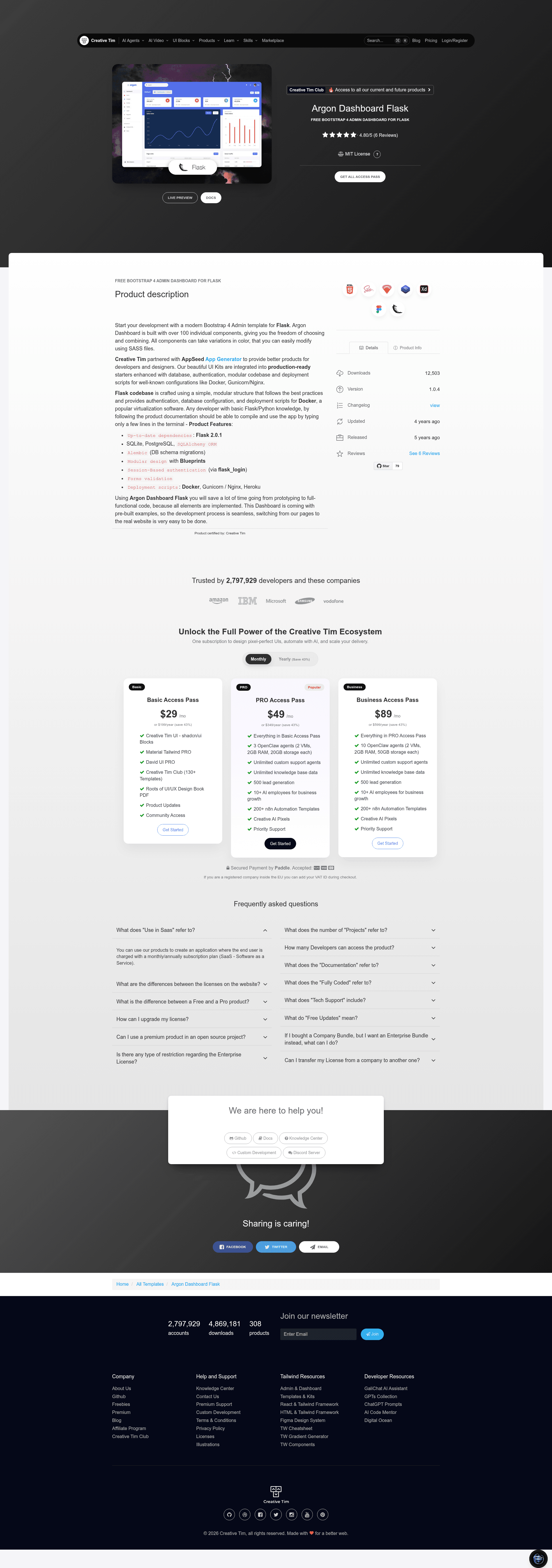
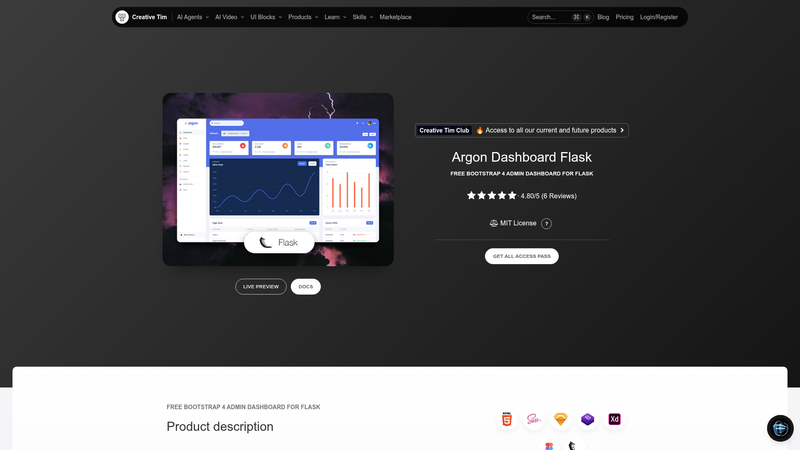
Free Flask dashboard starter with Argon UI Kit, SQLAlchemy, Blueprints, and authentication.
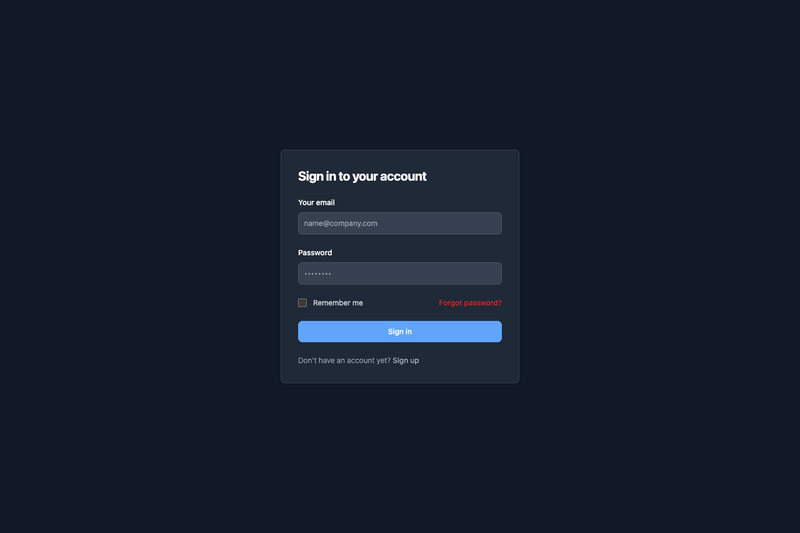
A Next.js dashboard starter with Tailwind CSS and JWT-protected routes.
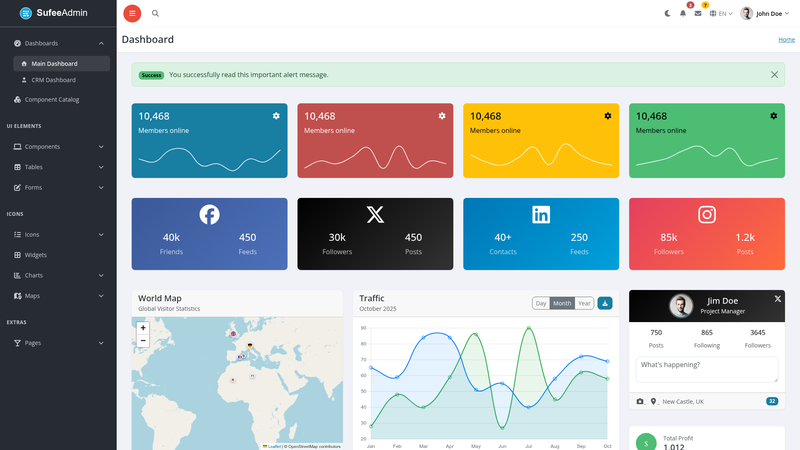
Free Bootstrap 5 admin dashboard template with Vite, dark mode, and build-time Handlebars partials.
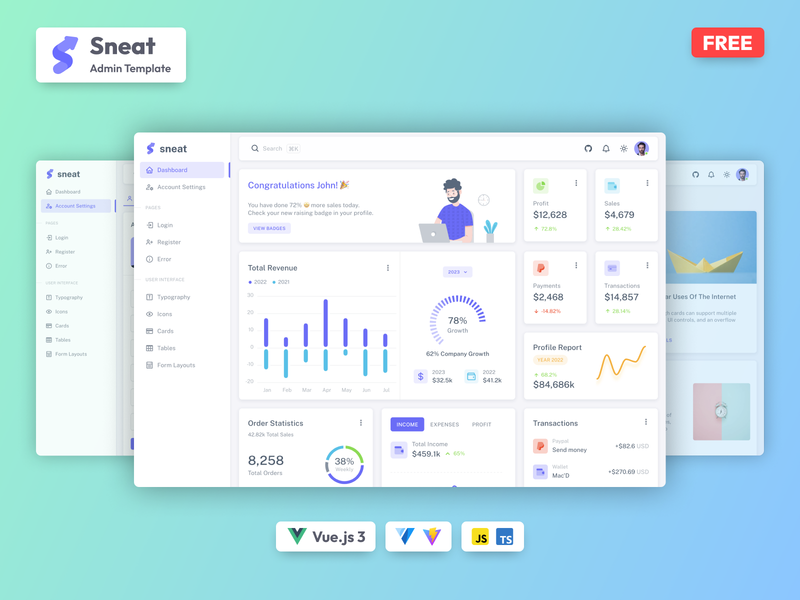
Free Vue 3 + Vuetify 3 admin dashboard template with file-based routing, auto imports, i18n, and TypeScript/JavaScript versions.
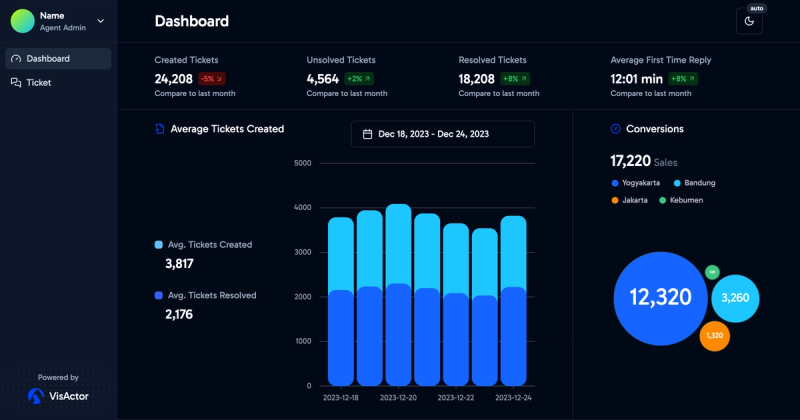
A modern dashboard built with VisActor charts, dark mode, and data visualization for seamless analytics.
Argon Dashboard Flask is a free, open-source admin dashboard starter that pairs the Argon Dashboard UI Kit by Creative Tim with a Flask 2.0.1 codebase maintained by AppSeed, giving developers a pre-built authenticated back office for Python web apps. In production it uses SQLAlchemy ORM, Blueprints, and Flask-Login to serve pages such as login, registration, index, and a 404 page, all styled with Bootstrap 4-based Argon components.
Argon Dashboard Flask is a Flask starter project that produces a multi-page admin dashboard application, taking as input a SQLite or PostgreSQL database and a set of modular blueprints, and outputting a running web app with session-based authentication. The UI Kit is provided by Creative Tim and the Flask codebase by AppSeed, and it supports deployment via Docker, Gunicorn/Nginx, and Heroku. It also includes SCSS compilation through Gulp so the Argon design tokens can be recompiled.
requirements.txt, with separate requirements-mysql.txt and requirements-pqsql.txt files for MySQL and PostgreSQL deployments.home and authentication blueprints, each with its own routes, models, and forms.flask_login with login and registration forms, plus form validation; default demo credentials are test / pass.docker-compose.yml for containerized runs, plus gunicorn-cfg.py and an Nginx config for production hosting.run.py loads a .env file and switches between SQLite (debug) and specified production DB drivers, then calls the app factory in app/__init__.py.apps/static/assets, then run gulp scss to regenerate the compiled CSS in static/assets/css.The bootstrap flow starts with run.py, which loads the .env file and calls the app factory create_app. In debug mode SQLite is used; otherwise the configured MySQL or PostgreSQL driver is loaded. Guests are redirected to the login page, and once authenticated, the home blueprint serves the private pages. To run locally, install dependencies with pip install -r requirements.txt, set the FLASK_APP environment variable to run.py, and execute flask run --host=0.0.0.0 --port=5000.
Argon Dashboard Flask is a free product. It is licensed under the Creative Tim End User License Agreement, and the source is publicly available on GitHub with an open-issues tracker.
Yes, the project is explicitly labeled a "Free product" on the Creative Tim product page. You download the source from GitHub or the product page and use it under the Creative Tim EULA.
The live demo accepts test as the username and pass as the password. On your own instance, you must visit the registration page and create a new user before accessing the private dashboard pages.
Yes. The repo includes requirements-pqsql.txt for installing the PostgreSQL connector, and Alembic is included for database schema migrations. Configuration is switched through environment variables in the .env file.
Navigate to apps/static/assets, run npm install (or yarn), then execute gulp scss. The compiled CSS is written to static/assets/css, and you need NodeJS 12.x or higher plus the Gulp CLI installed globally.
The project officially supports the last two versions of Chrome, Firefox, Edge, Safari, and Opera, as stated in the product README.