Newsletter
Join the Community
Subscribe to our newsletter for the latest news and updates

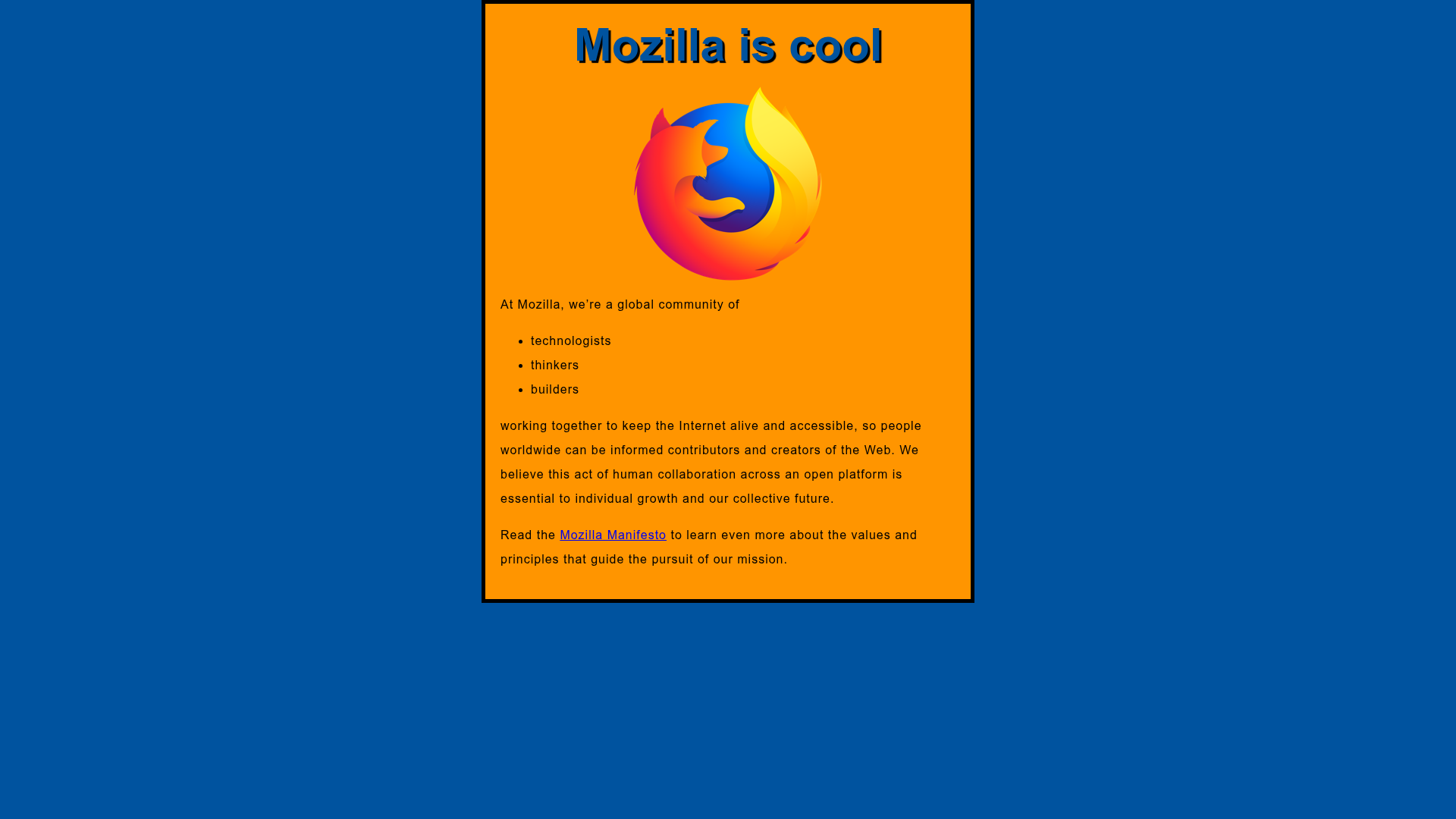
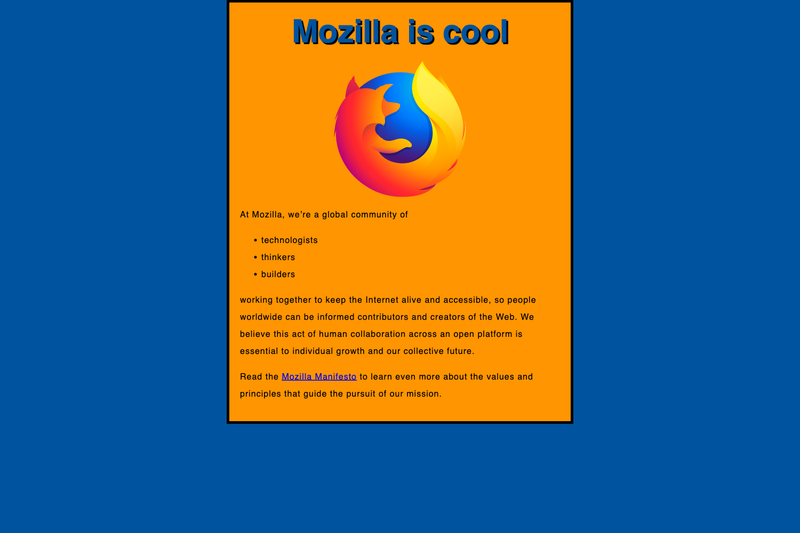
A minimal one-page HTML/CSS starter for beginners, with styling explained in MDN's CSS basics tutorial.
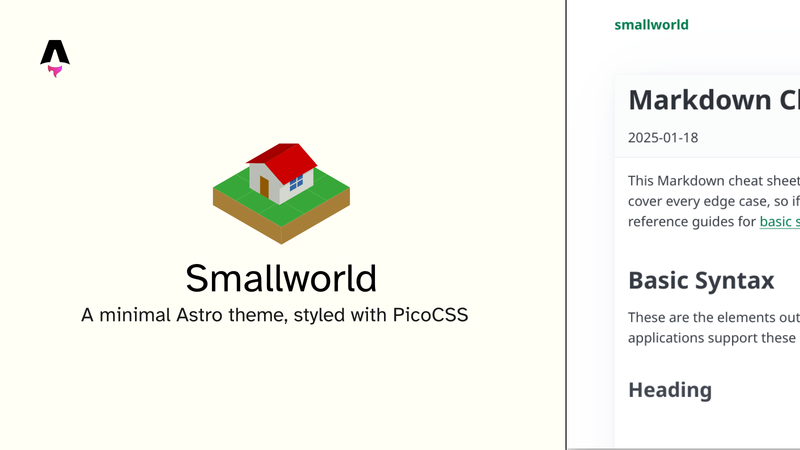
A minimal, low-class Astro template for a simple website with a single-author blog, built on semantic HTML and Pico CSS.
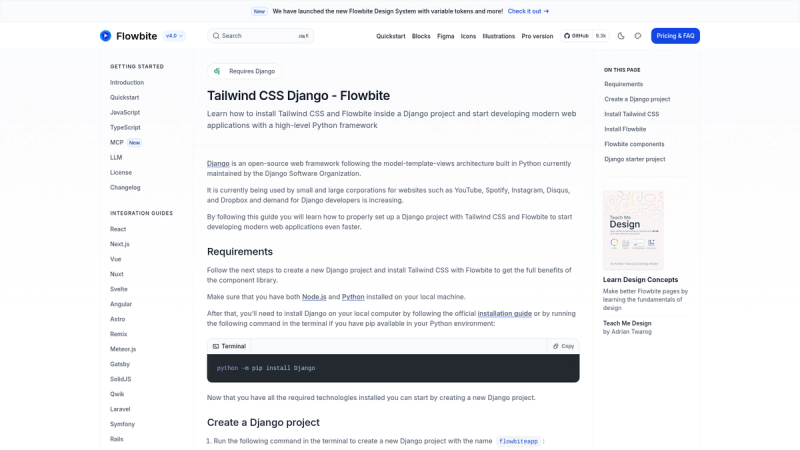
Open-source starter project with Django scaffolded with Tailwind CSS and the Flowbite UI library
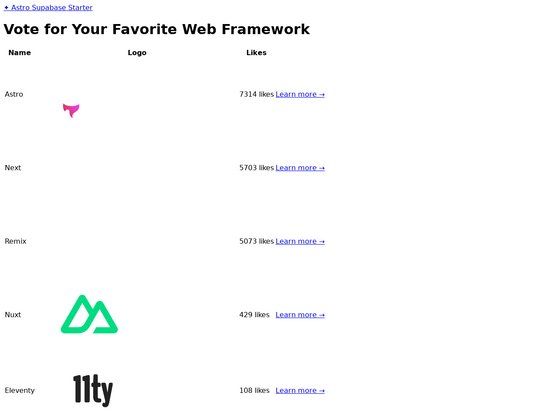
A boilerplate template demonstrating Supabase integration in an Astro project deployed on Netlify.
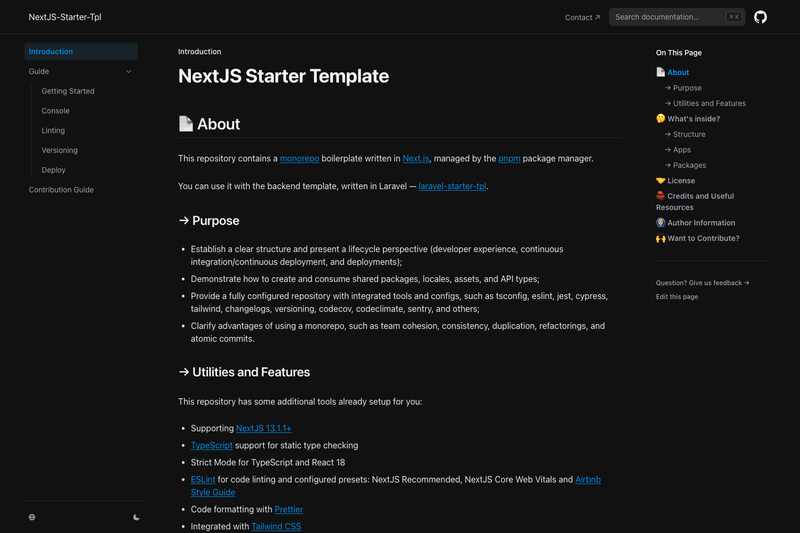
Microservices-ready monorepo starter template for Next.js with Turborepo, pnpm, Tailwind CSS, and preconfigured CI/CD tooling.
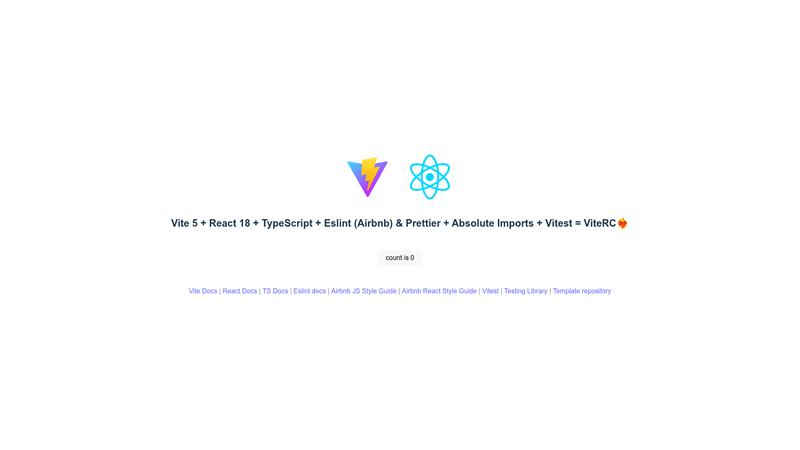
A minimal Vite + React + TypeScript template with pre-configured ESLint (Airbnb rules), Prettier, Vitest, Absolute Imports and Husky Git hooks.
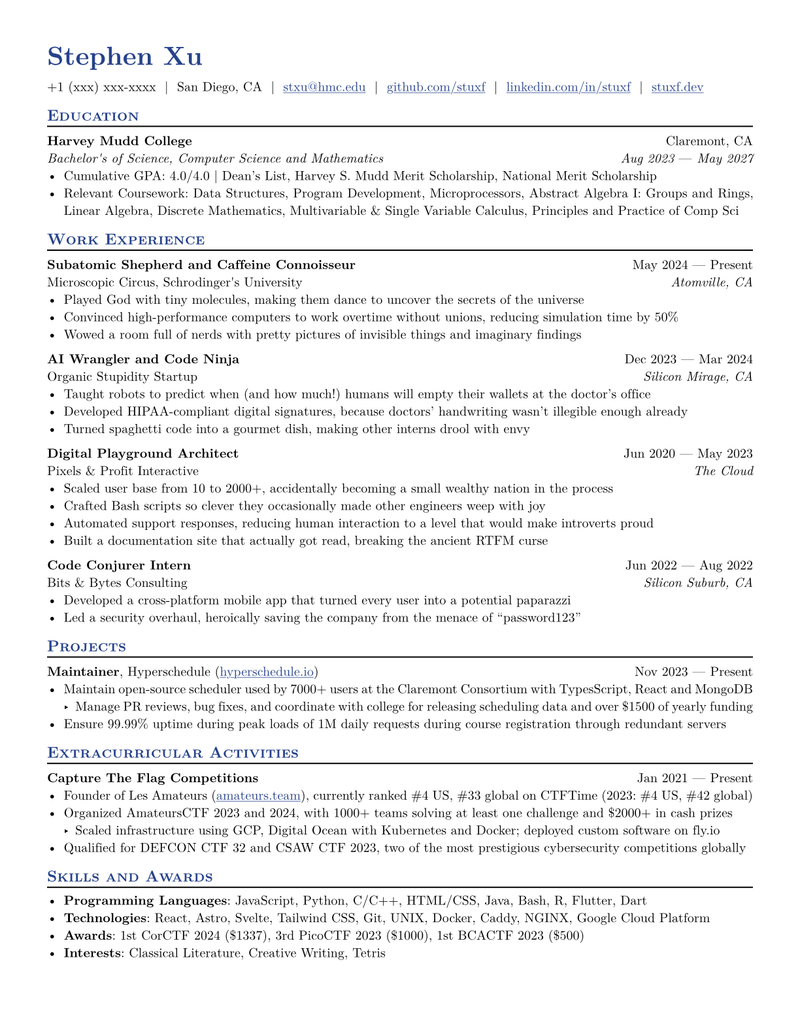
A minimal Typst resume template designed to produce clean, ATS-friendly layouts.
beginner-html-site-styled is a minimal one-page website created by the Mozilla Developer Network (MDN) to teach complete beginners the basics of HTML and CSS. The repository provides a simple, styled HTML page whose CSS is explained step-by-step in MDN's CSS basics tutorial, making it a hands-on companion for that course.
beginner-html-site-styled is a GitHub repository containing a single HTML page that has been styled with CSS to help beginners learn web fundamentals. It takes no input and produces a static webpage that can be opened directly in a browser. The project is maintained by MDN, the same team behind the MDN Web Docs learning area, and its live version is hosted at http://mdn.github.io/beginner-html-site-styled/ (accessible via the "Run the example live" link in the repo). The repository description explains that the styling is explained over the course of MDN's Getting started with the web's CSS basics article.
The project's focus is educational: it deliberately avoids frameworks, build steps, and advanced features so that the underlying HTML and CSS remain transparent to beginners. Because the associated MDN tutorial covers the exact stylesheet used in the repo, learners have a complete narrative from reading an explanation to seeing and editing the real code.