Newsletter
Join the Community
Subscribe to our newsletter for the latest news and updates

Start blogging in just 3 clicks with a zero-config Hugo blog on GitHub Pages.
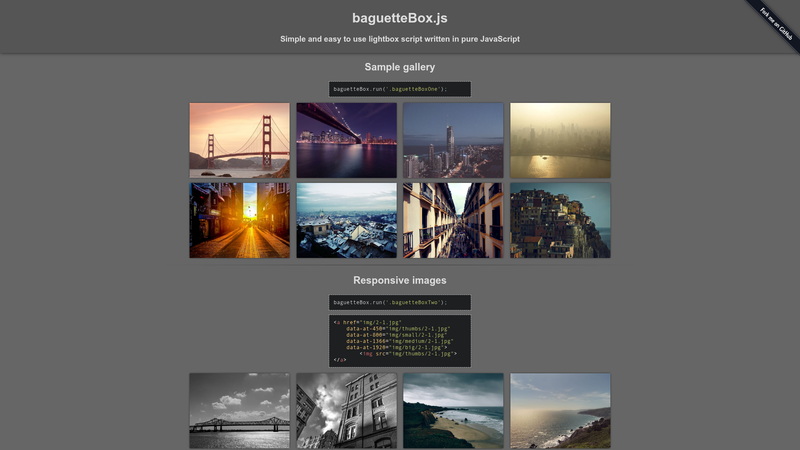
A clean, minimal Hugo theme for blogs with responsive images, lazy loading, and built-in shortcodes.
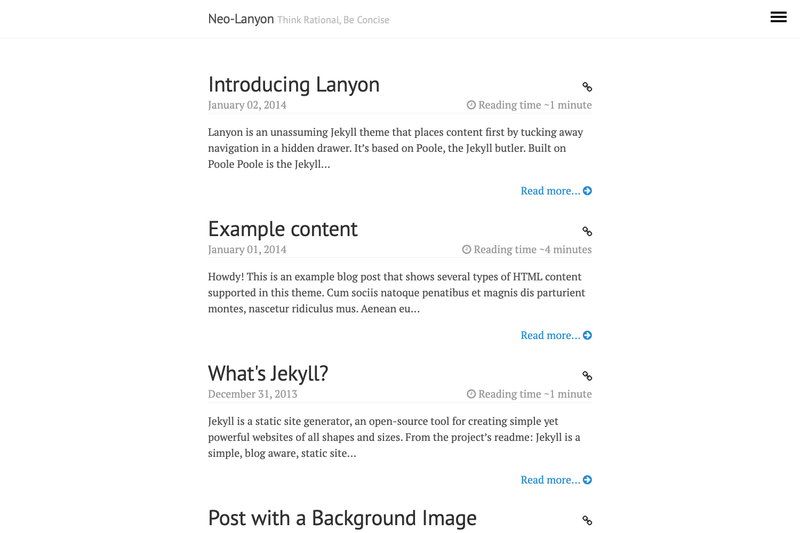
A Jekyll theme based on Lanyon that tucks navigation in a drawer, with eight base16 color themes and layout options.
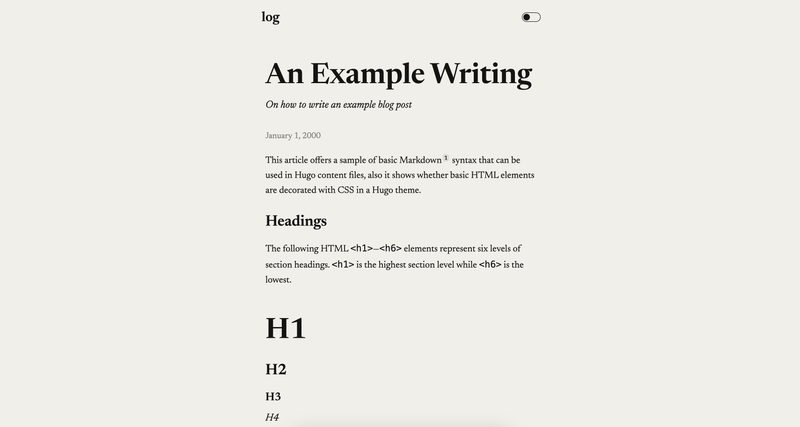
A minimal Hugo theme inspired by Dario Amodei's personal website, built for fast, elegant reading.
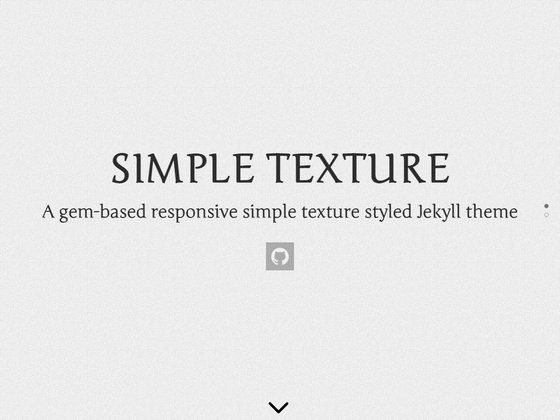
A gem-based responsive simple texture styled Jekyll theme.
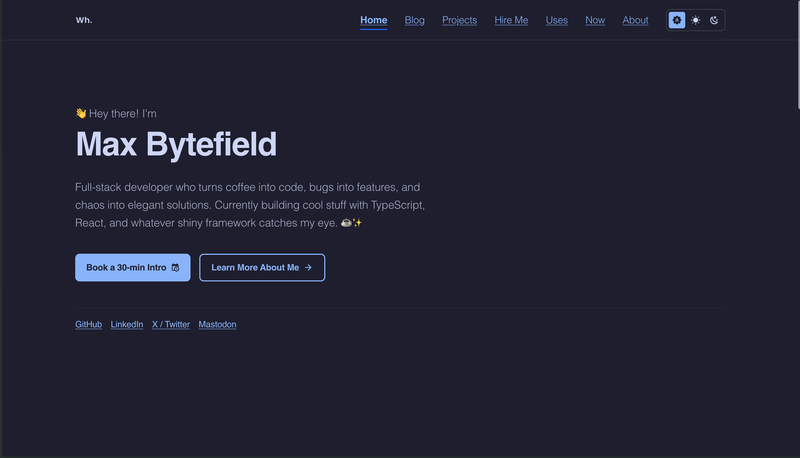
A beautifully minimal, accessible blog theme for Astro, featuring the elegant Catppuccin color palette.
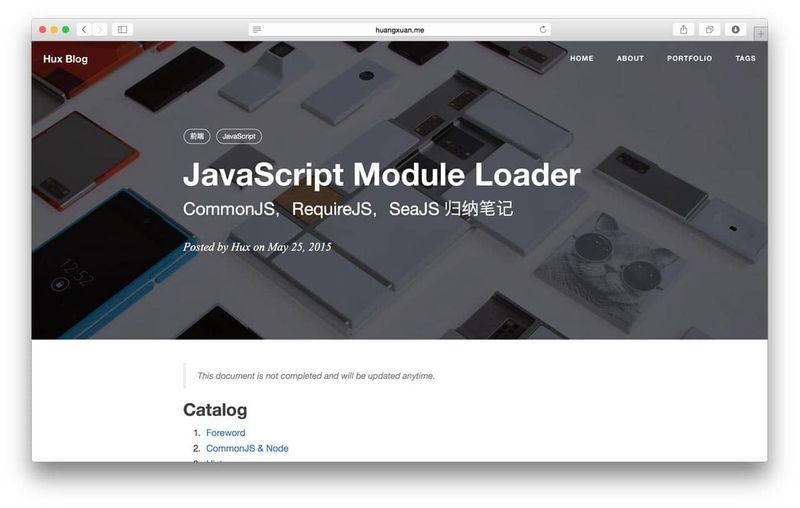
A free, open-source Jekyll blog theme with PWA support, built by Huxpro and derived from Clean Blog.
Bliss Template is a GitHub repository template that generates a fully-configured Hugo blog with the eon theme, ready to publish on GitHub Pages after a single click and a 30-second wait.
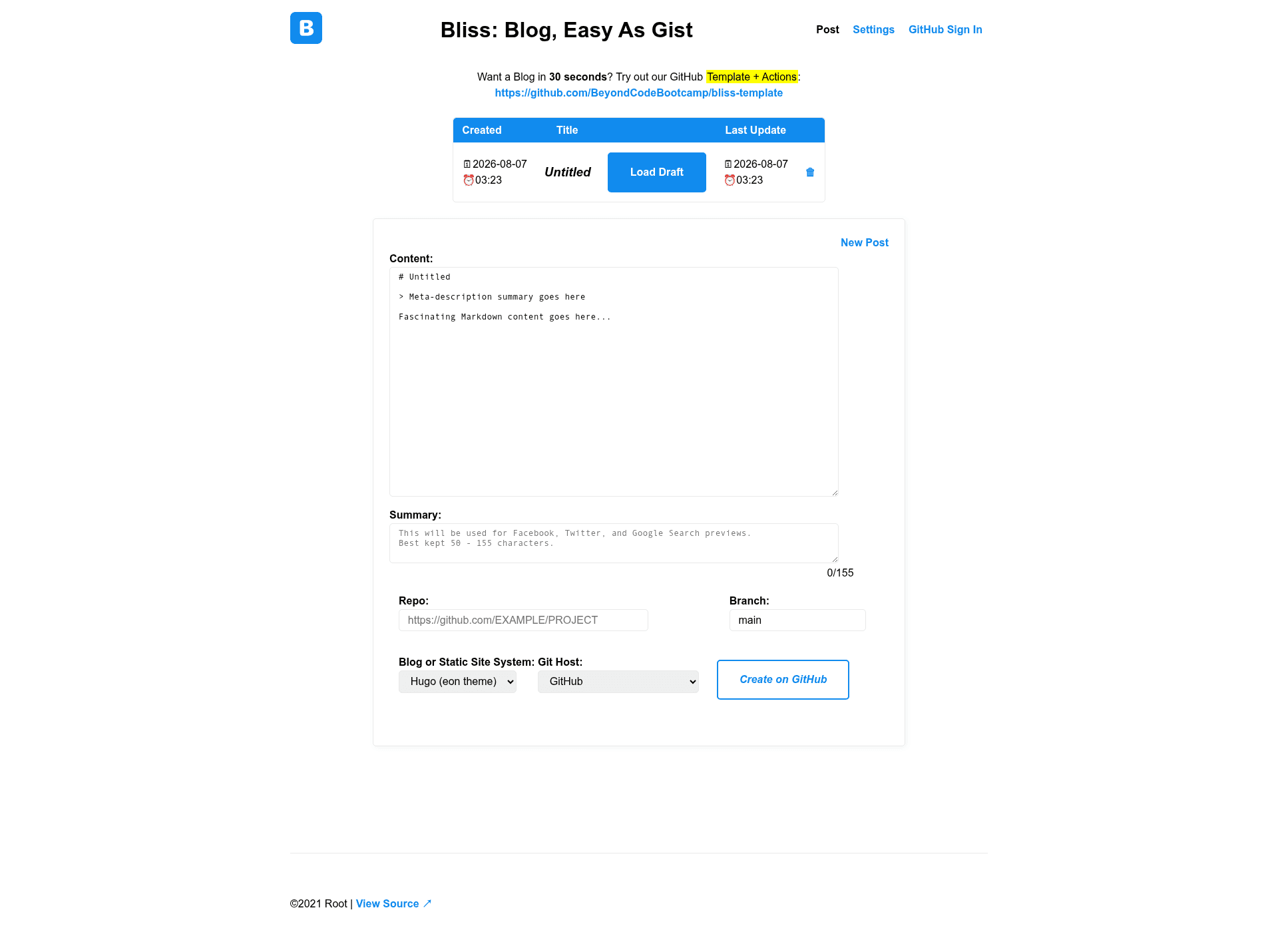
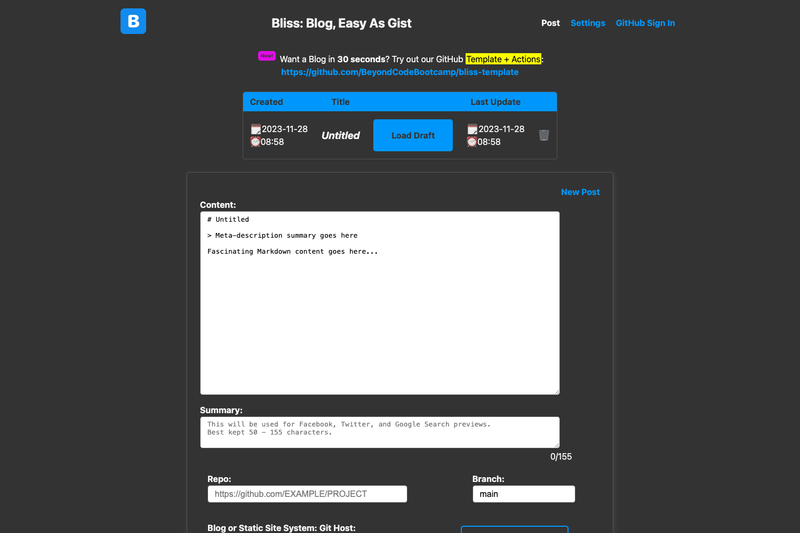
Bliss Template is a blog starter from BeyondCodeBootcamp that runs on Hugo and deploys to GitHub Pages through GitHub Actions. It takes a GitHub account and a repo name as input and produces a blog with an auto-generated config.yaml, built-in edit links, and optional comments via utterances. The template can be used from the web through the Bliss interface at bliss.js.org or from the command line with Hugo.
config.yaml builds itself, so no manual Hugo setup is required after generating a repo from the template.CNAME file and configure A, AAAA, or ANAME DNS records to point a custom domain at the GitHub Pages site.https://owner.github.io/repo/ in about 30 seconds.CNAME file and update DNS records to serve the blog from a domain like example.com.blog), and create the repo.config.yaml and deploy the site to the gh-pages branch.gh-pages branch and turn on utterances for comments.Yes. The template is an open-source GitHub repository template, and it relies on free tiers of GitHub Pages and GitHub Actions, plus the open-source Hugo and Bliss tools.
From generating the repository to visiting the live site is about 30 seconds, assuming the GitHub Actions workflow completes successfully. The README refreshes to include setup links once the auto-configuration finishes.
No. The web interface (Bliss) handles post creation, and the template auto-builds the config.yaml. Hugo knowledge is optional for local builds or advanced customization.
Yes. Place a CNAME file in the repo root, then set an ANAME (ALIAS) record to <user>.github.io, or A records to 185.199.108.153 and related addresses as listed in the template's README.
Comments are powered by utterances, which connects GitHub Issues to the blog. After enabling Pages, the setup README walks you through enabling the utterances app on the repository.