Newsletter
Join the Community
Subscribe to our newsletter for the latest news and updates

A clean, minimal Hugo theme for blogs with responsive images, lazy loading, and built-in shortcodes.
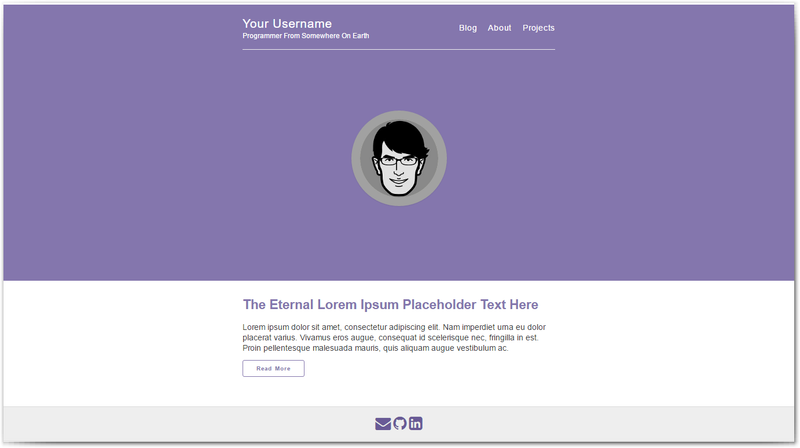
Jekyll-Mono is a minimal Jekyll theme for GitHub Pages that combines a blog, about page, and projects portfolio into a free, customizable static site.
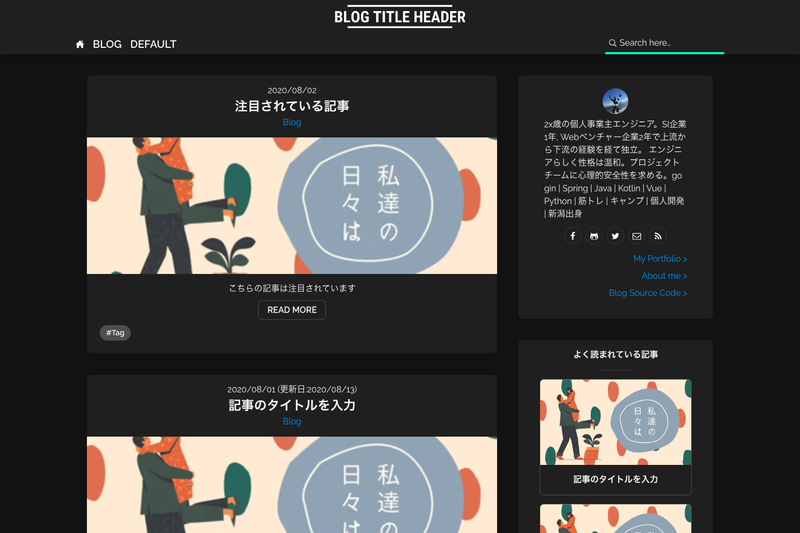
A Gatsby blog theme with Algolia search, Google Analytics ranking, and Netlify CMS GUI configuration.
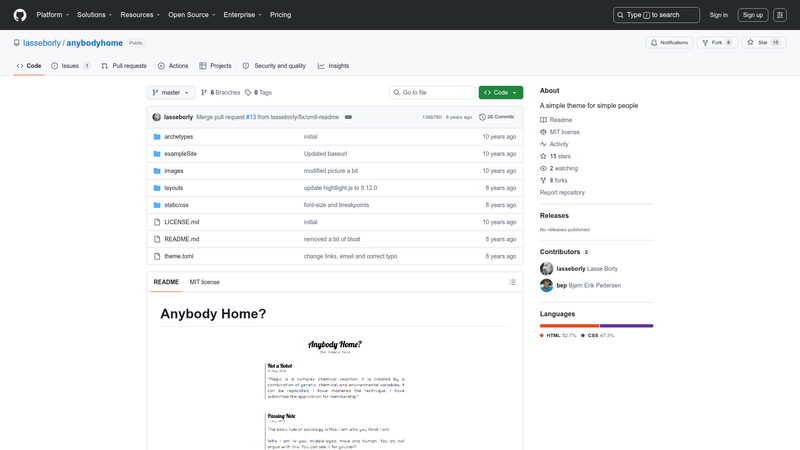
A minimal Hugo blog theme that displays only the 10 most recent posts and individual post pages.
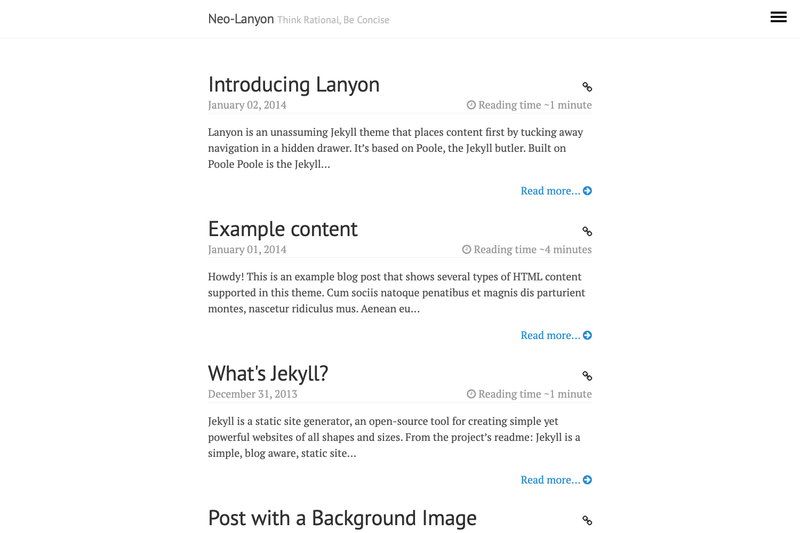
A Jekyll theme based on Lanyon that tucks navigation in a drawer, with eight base16 color themes and layout options.
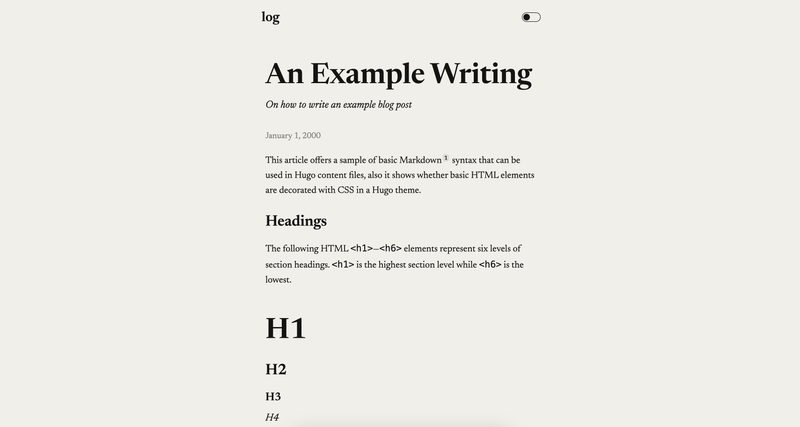
Simplicity is a minimal Hugo theme for blogs that converts Markdown content into a clean, readable static site with responsive images, lazy loading, and zero JavaScript or CSS frameworks. Created by eshlox and released under the MIT license, it runs on the Hugo static site generator and is installed by cloning the GitHub repository into a site's themes directory. The theme is demonstrated live on eshlox.net and eshlox.pl.
Simplicity is a Hugo theme focused on clean typography and fast performance for personal blogs and content sites. It takes Markdown content organized with Hugo's standard folder structure — content/posts, content/categories, content/tags, and a media directory — and outputs a static HTML site with responsive images, lazy loading, and SEO metadata. The theme is maintained by eshlox and published under the MIT license.
Simplicity suits Hugo users who want a minimal blog theme without dependency bloat. Developers familiar with Hugo can copy config.toml from the exampleSite directory and adjust the social and analytics settings. Bloggers who publish code-heavy posts get native Chroma highlighting, and media-heavy publishers benefit from the built-in responsive image pipeline.
themes, copy config.toml from exampleSite, and publish Markdown posts with categories, tags, and Disqus comments.content/media directory and insert responsive, lightbox-enabled images with the image shortcode.The README's Getting Started guide has three steps: create a themes directory, run git clone https://github.com/eshlox/simplicity.git inside it, and copy config.toml from exampleSite to the site root. Custom favicons go in assets/src/images and must be named favicon.ico and apple-touch-icon.png. Development uses hugo server --source=exampleSite --themesDir=../.. after running cd assets && yarn install.
Yes. The theme is released under the MIT license, which permits free use, modification, and redistribution, including in commercial projects.
It turns Markdown content into a static blog site with responsive, lazy-loaded images, Chroma syntax highlighting, SEO metadata, and optional Disqus comments, all without any CSS or JavaScript frameworks.
The README lists the latest Firefox, Chrome, and Safari on desktop and mobile, and notes that other browsers probably work but have not been tested.