Newsletter
Join the Community
Subscribe to our newsletter for the latest news and updates

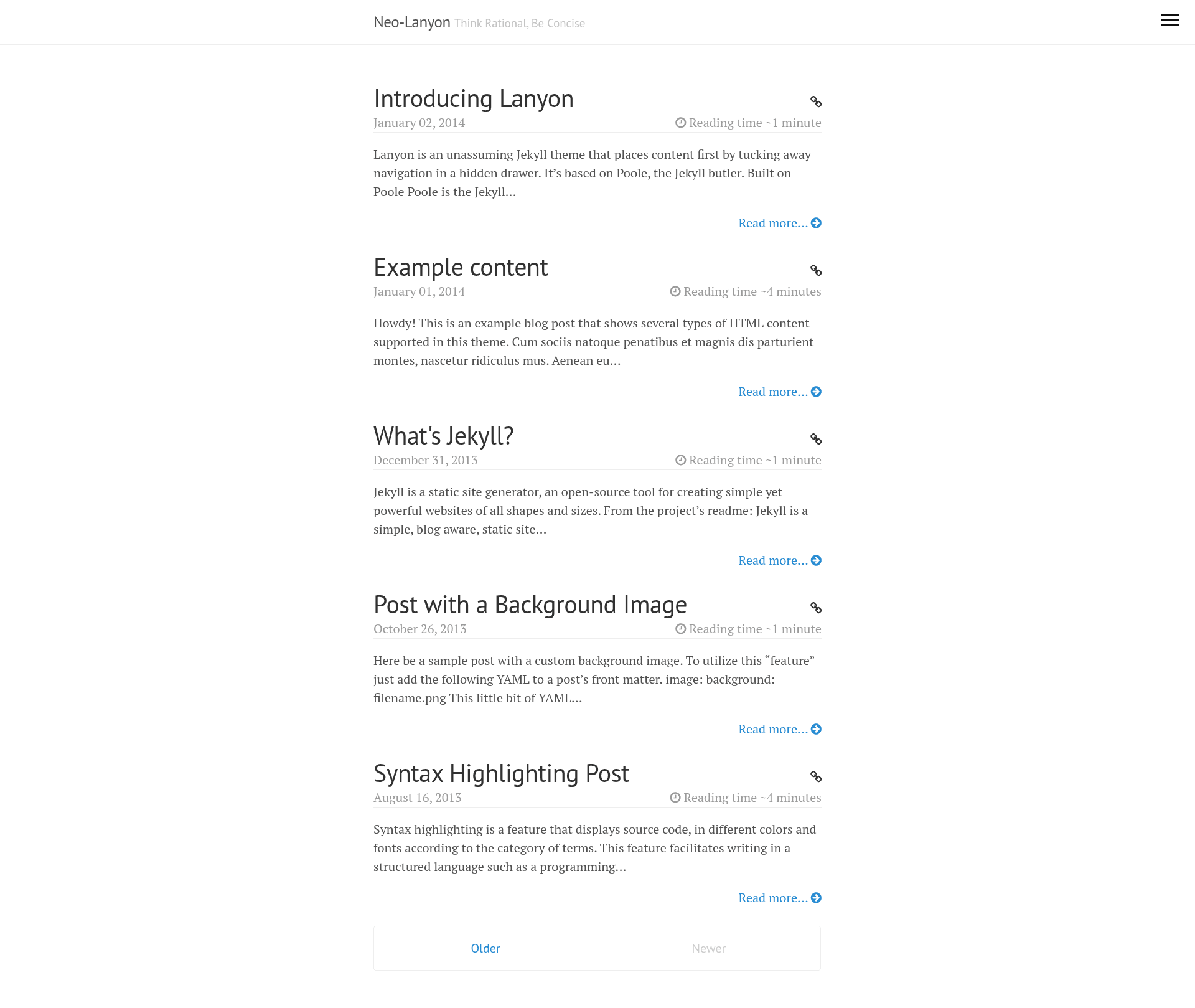
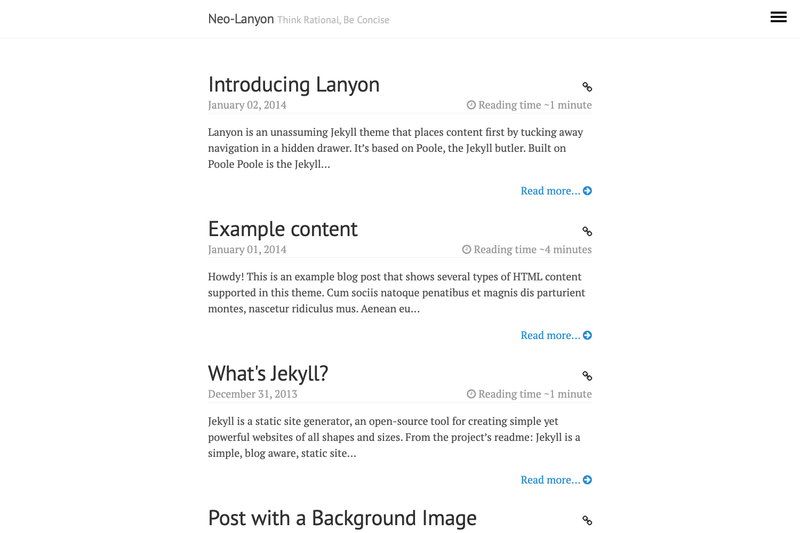
A Jekyll theme based on Lanyon that tucks navigation in a drawer, with eight base16 color themes and layout options.
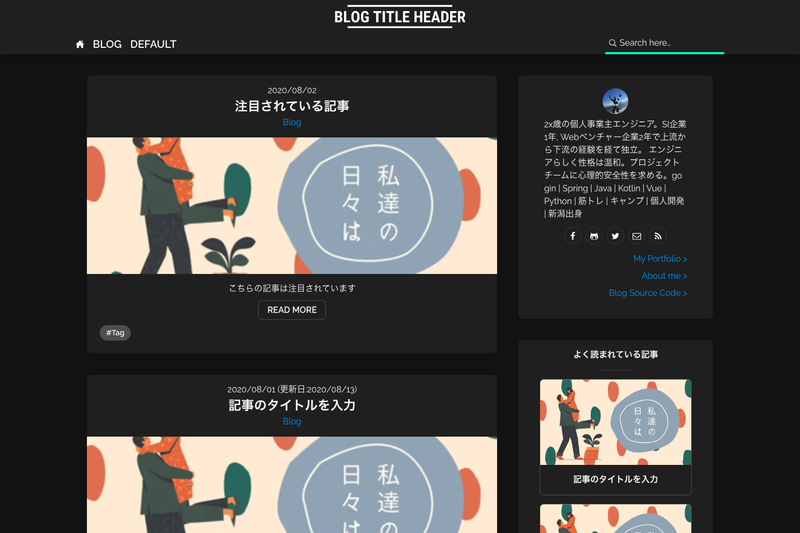
A Gatsby blog theme with Algolia search, Google Analytics ranking, and Netlify CMS GUI configuration.
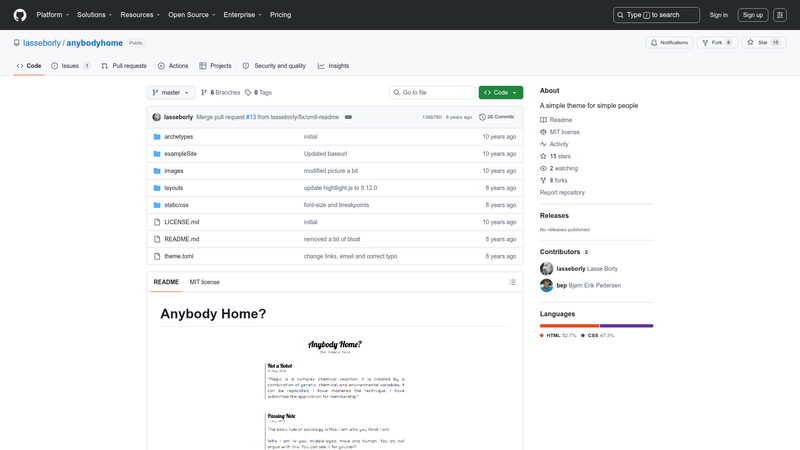
A minimal Hugo blog theme that displays only the 10 most recent posts and individual post pages.
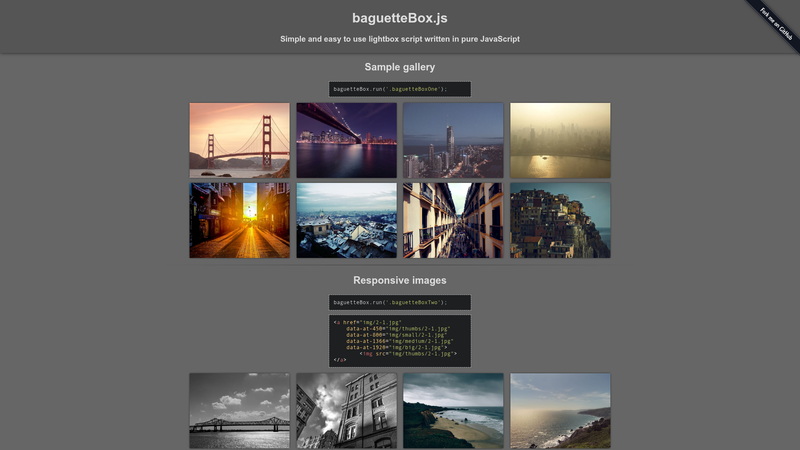
A clean, minimal Hugo theme for blogs with responsive images, lazy loading, and built-in shortcodes.
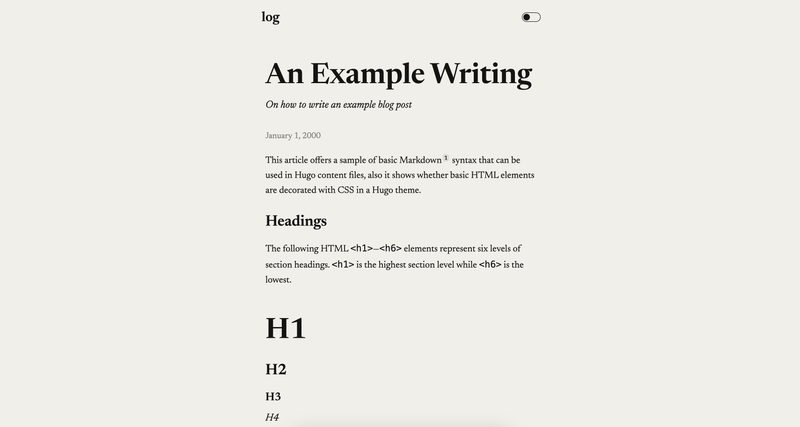
A minimal Hugo theme inspired by Dario Amodei's personal website, built for fast, elegant reading.
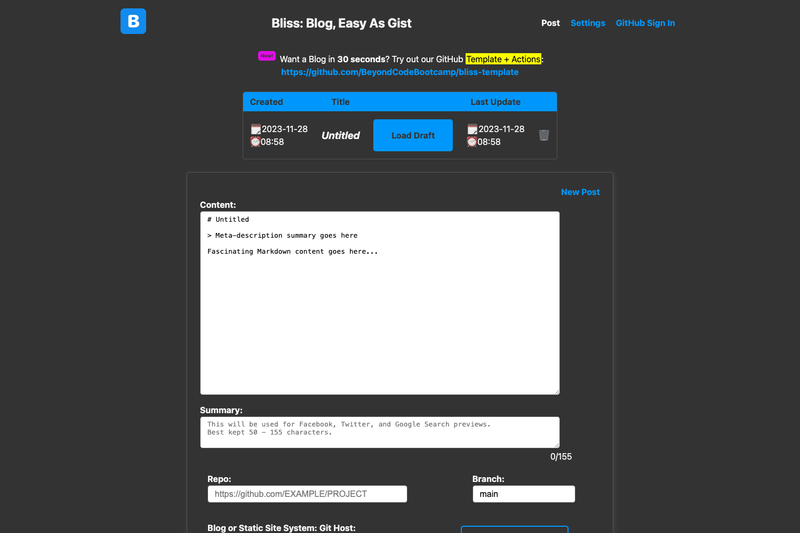
Start blogging in just 3 clicks with a zero-config Hugo blog on GitHub Pages.
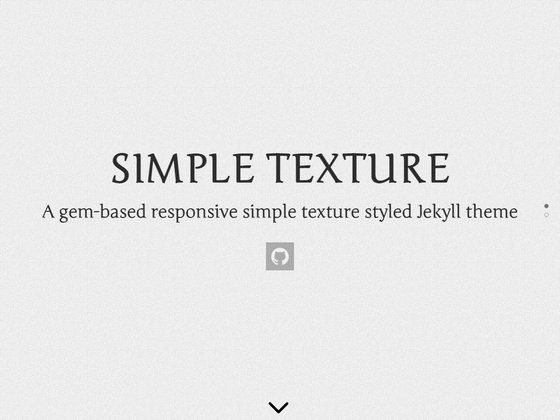
A gem-based responsive simple texture styled Jekyll theme.
Neo Lanyon is a Jekyll theme, a continuation of Mark Otto's Lanyon, whose core function is to keep page content front-and-center by tucking site navigation into a hidden sidebar drawer. It inherits the fully furnished Jekyll setup from Poole, so you download the repository, start the Jekyll server, and get a static site with a toggleable drawer. The repository is tagged with the topics jekyll and jekyll-theme.
Neo Lanyon is a Jekyll theme based on Lanyon, which is built on Poole, the Jekyll butler that provides a complete starting configuration for Jekyll sites. It produces a static site where the main content fills the page and navigation lives in a hidden drawer that slides in when toggled. The theme was originally authored by Mark Otto (github.com/mdo) and is open sourced under the MIT license, and the project keeps active development on the master branch while gh-pages hosts the demo site with analytics code.
sidebar-checkbox.theme-base-08 (red) to the body element in default.html.public/css/lanyon.css (each is only a few lines of CSS), rename it, and change the colors.layout-reverse class flips the page orientation so the drawer sits on the opposite side.sidebar-overlay class keeps content stationary and slides the sidebar over it, adding box-shadow outlines to the toggle and sidebar for depth.checked boolean attribute to the sidebar checkbox input shows the drawer open when the page loads.page.title equals "Home".layout: page in front matter, which excludes index.html and atom.xml from the alphabetical page list.sidebar-overlay to build a layout where the sidebar floats over content, and open the drawer on load by adding the checked attribute.Neo Lanyon works like any Poole-based Jekyll site: download the repository, install Jekyll, and start the Jekyll server. Most customization happens by adding classes to the body element in default.html — for example theme-base-08 for a red base16 theme, layout-reverse to flip orientation, or sidebar-overlay for an overlay drawer. Sidebar links are created by setting layout: page in each page's front matter, and the drawer's open state on load is controlled by the checked attribute on the checkbox input, optionally set per page with Liquid.
Yes. Neo Lanyon is open sourced under the MIT license, so you can use, modify, and redistribute it freely, including in commercial projects, without paying a license fee.
Add one of the eight theme classes to the body element in default.html, such as theme-base-08 for the red scheme. To create a custom color scheme, copy an existing theme from the Themes section of public/css/lanyon.css — each theme is only a few lines of CSS — rename the class, and change the colors.
Assign each page the page layout in its front matter. This is required because Jekyll otherwise returns all pages, including atom.xml, in alphabetical order; specifying the layout excludes index.html so the first sidebar link is Home.
Add the checked boolean attribute to the checkbox input in the layout, like <input type="checkbox" class="sidebar-checkbox" id="sidebar-checkbox" checked>. You can also use Liquid to set it conditionally per page, such as when page.title equals "Home".
Pull requests should be submitted against the master branch, which is used for active development. The gh-pages branch hosts the demo site and includes analytics tracking code, so it should be avoided for contributions.