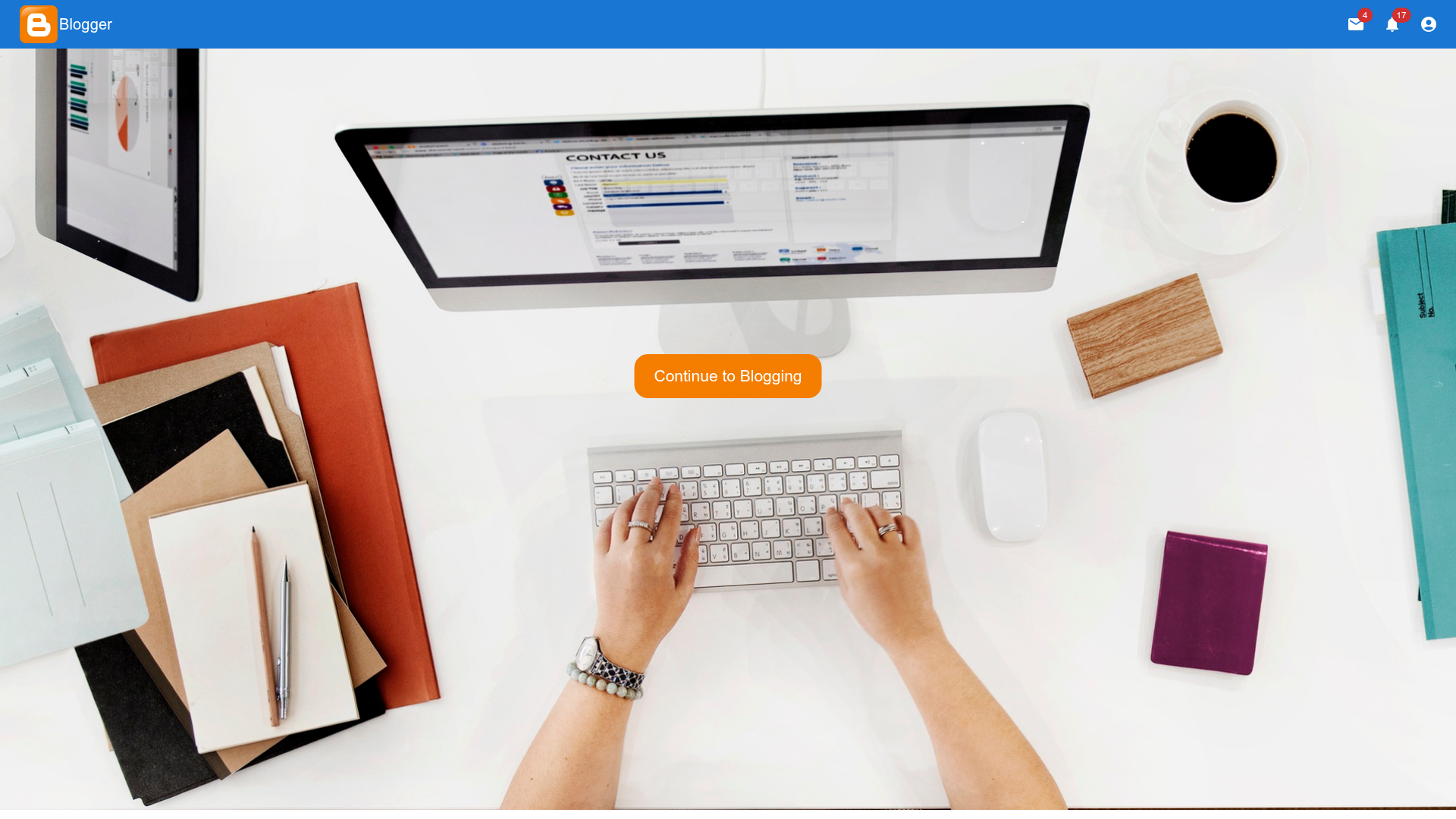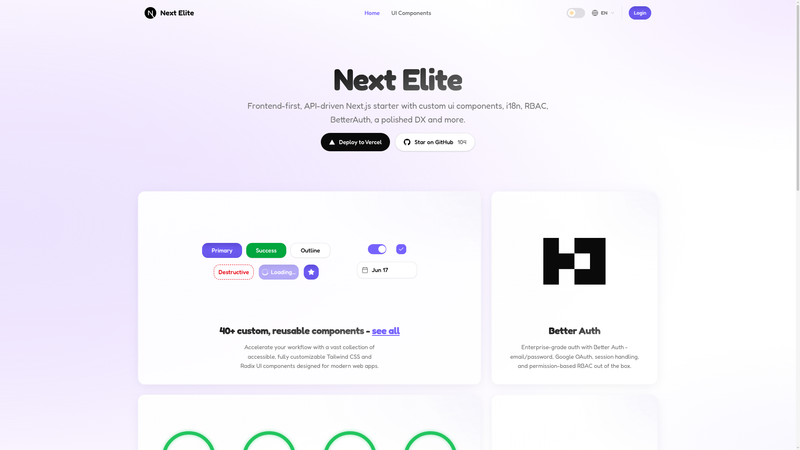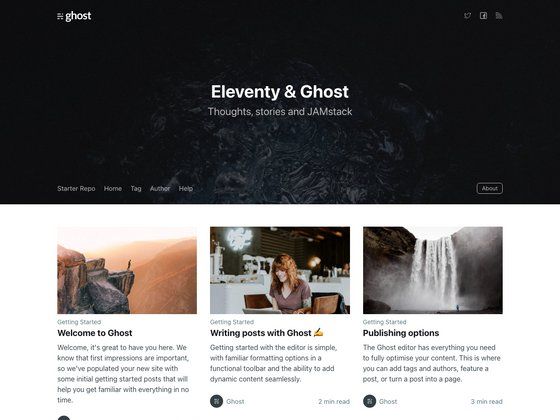
Blogger-FE is a Next.js blog starter template that combines Tailwind CSS, MongoDB, Mongoose, next-seo, and Jest into a ready-to-run frontend boilerplate.
What is Blogger-FE?
Blogger-FE is a frontend boilerplate for building blog applications with the Next.js React framework. It takes a fresh Next.js project and layers on Tailwind CSS for utility-first styling, MongoDB with Mongoose for data modeling and persistence, next-seo for search-engine metadata, and Jest for unit and integration testing. The repository also includes emotion for CSS-in-JS, react-icons for iconography, threejs for 3D graphics, and Prettier for code formatting. The project is maintained on GitHub under the name Blogger-FE and currently has one star.
Key Features
- Next.js framework — Uses the Next.js App Router and API routes via next-api, enabling server-rendered pages and backend endpoints in one project.
- Tailwind CSS — Utility-first CSS framework for rapidly styling components without leaving markup, configured with PostCSS as indicated by source hints.
- MongoDB and Mongoose — Mongoose schemas provide a structured way to define blog posts and interact with MongoDB, with next-api likely exposing CRUD endpoints.
- next-seo integration — Adds SEO metadata management to pages, enabling custom titles, descriptions, and Open Graph tags for better search visibility.
- Jest testing — Comes with Jest configured for testing React components and possibly API routes, so you can keep code reliable as you build.
- emotion and react-icons — Emotion provides CSS-in-JS styling for component-scoped styles, while react-icons offers a large icon set for UI elements.
- threejs for 3D — Includes Three.js for adding 3D visuals to the blog, such as hero scenes or data visualizations.
- Prettier — Enforces consistent code formatting across the project for easier collaboration.
Who is it for?
- Next.js developers — Who want a pre-configured blog starter with routing, API endpoints, and styling already wired up.
- Blog builders — Who need MongoDB as their content store and want to skip the initial setup of a database connection and data models.
- Quality-focused teams — Who require test coverage from day one and can rely on the included Jest configuration to write and run tests immediately.
What can you do with Blogger-FE?
- Content creators: Set up a blog with Next.js and Tailwind CSS, then write posts stored in MongoDB via Mongoose schemas defined in the starter.
- Developers: Extend the API routes to add create, edit, or delete endpoints for blog content, since next-api is already integrated.
- SEO specialists: Use next-seo components to per-page customize meta tags and Open Graph data, improving how posts appear on search engines and social platforms.
- Designers: Take advantage of emotion and Tailwind to build custom component styles, and add three.js 3D elements for a distinctive visual experience.
FAQ
Does Blogger-FE use MongoDB?
Yes, the repository lists Mongoose and MongoDB among its dependencies, so you can connect the starter to a MongoDB database for storing blog content.
Is Blogger-FE free?
The repository is publicly available on GitHub, so you can download and use the code. No pricing information is provided on the page.
What frontend framework does Blogger-FE use?
It is built on Next.js, which provides server-side rendering, static generation, and API routes. The topics also list React, Node.js, and Tailwind CSS.
Does Blogger-FE include testing tools?
Yes, Jest is included as a dependency, enabling you to write and run unit and integration tests for your components and API logic.