Newsletter
Join the Community
Subscribe to our newsletter for the latest news and updates

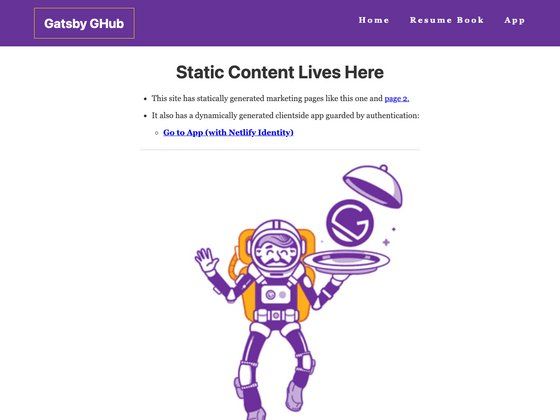
Gatsby starter combining static and dynamic content to generate resumes from GitHub profiles using Netlify Identity and Apollo Client.
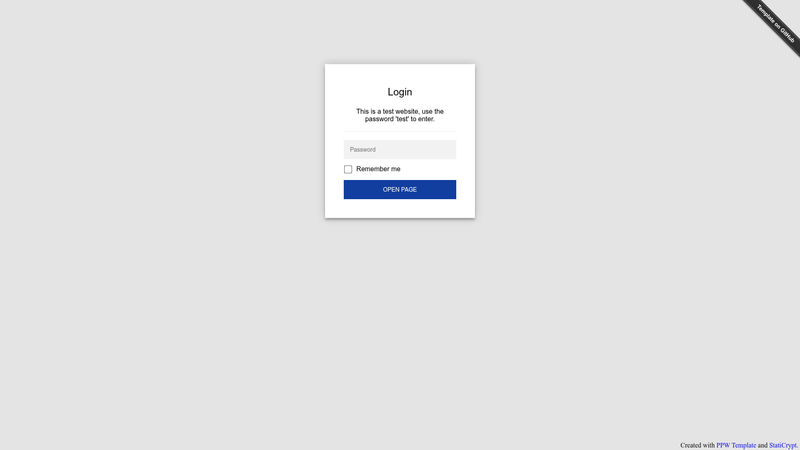
Template to create and host a simple password-protected website with Github Pages.
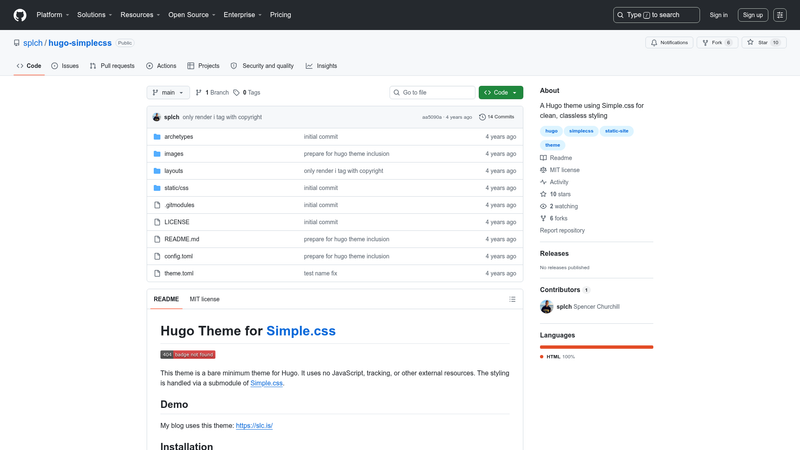
A minimal Hugo theme that applies Simple.css classless styling, with no JavaScript, tracking, or external resources.
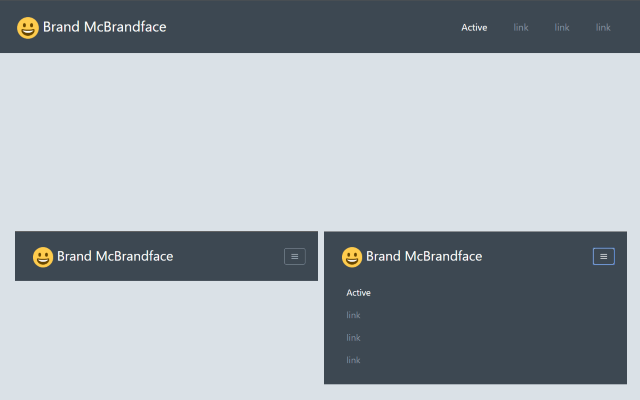
Free and open-source Tailwind CSS starter template with a toggle-button responsive header.
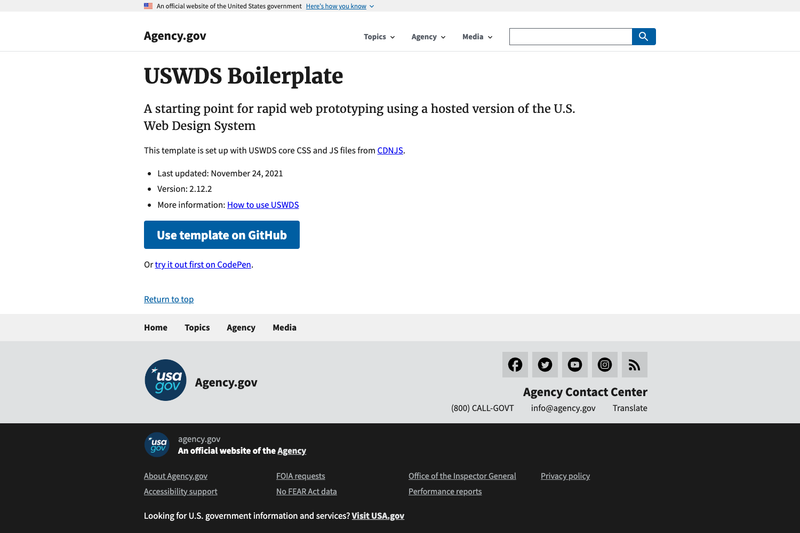
A starting point for rapid web prototyping using a hosted version of the U.S. Web Design System
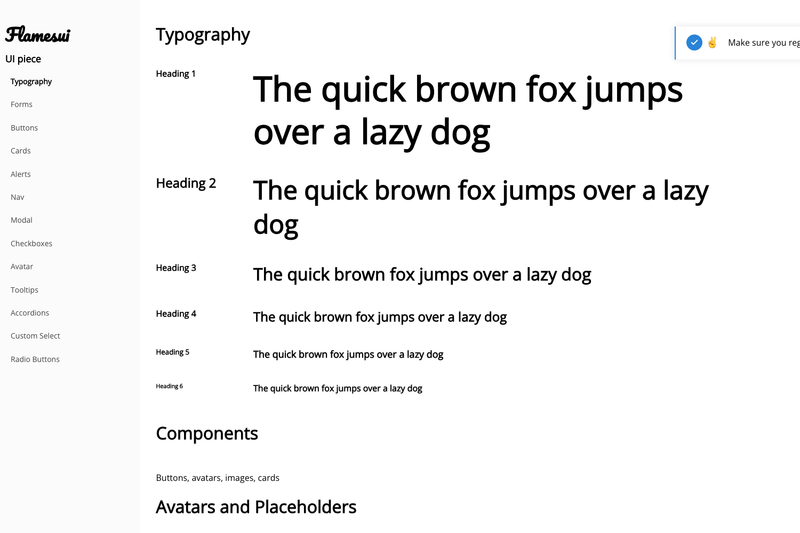
A CSS-based web component library with typography, responsive grid, buttons, and forms.
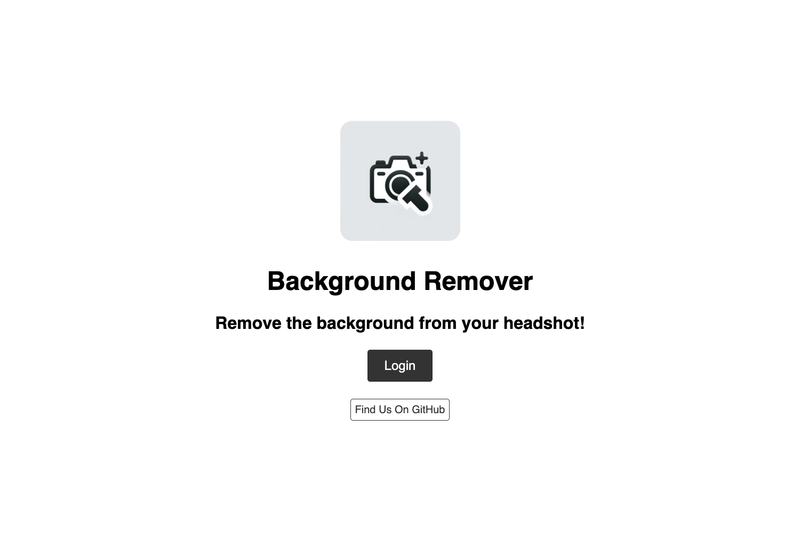
SvelteKit boilerplate using Appwrite and Azure AI to remove image backgrounds, with auth and image history.
Gatsby Ghub is a Gatsby starter that proves a mixed static-and-dynamic JAMstack pattern: it statically renders resumes from GitHub profiles at build time, then uses Netlify Identity and Apollo Client to serve on-demand GraphQL queries for the interactive App section. Built as a fork of swyx's jamstack-hackathon-starter, this boilerplate gives you authentication, GitHub API integration, and a deploy pipeline out of the box.
Gatsby Ghub is a Gatsby starter for building web apps that combine static and dynamic content. It takes GitHub profile data as its input and produces static resume pages during the Gatsby build, while the client-side App section uses Apollo Client to run GraphQL queries on demand. The template runs on Gatsby, deploys to Netlify with a one-click button, and includes Netlify Identity for user sign-up and management. It was created as a fork of the jamstack-hackathon-starter by swyx, with credit to the Gatsby team, and is intended as a proof of concept for mixing static rendering with live API queries.
First, clone or deploy the repository through the Netlify button. Then create two environment files, .env.development and .env.production, each with your GitHub personal access token stored as a token variable. Before building, edit gatsby-node.js and resume-book.js to set the number of GitHub profiles to fetch (the default is 53; the README recommends 5). At build time Gatsby generates static resume pages from the GitHub API; on the client, Apollo Client makes authenticated GraphQL calls for the App section's dynamic behavior.