Newsletter
Join the Community
Subscribe to our newsletter for the latest news and updates

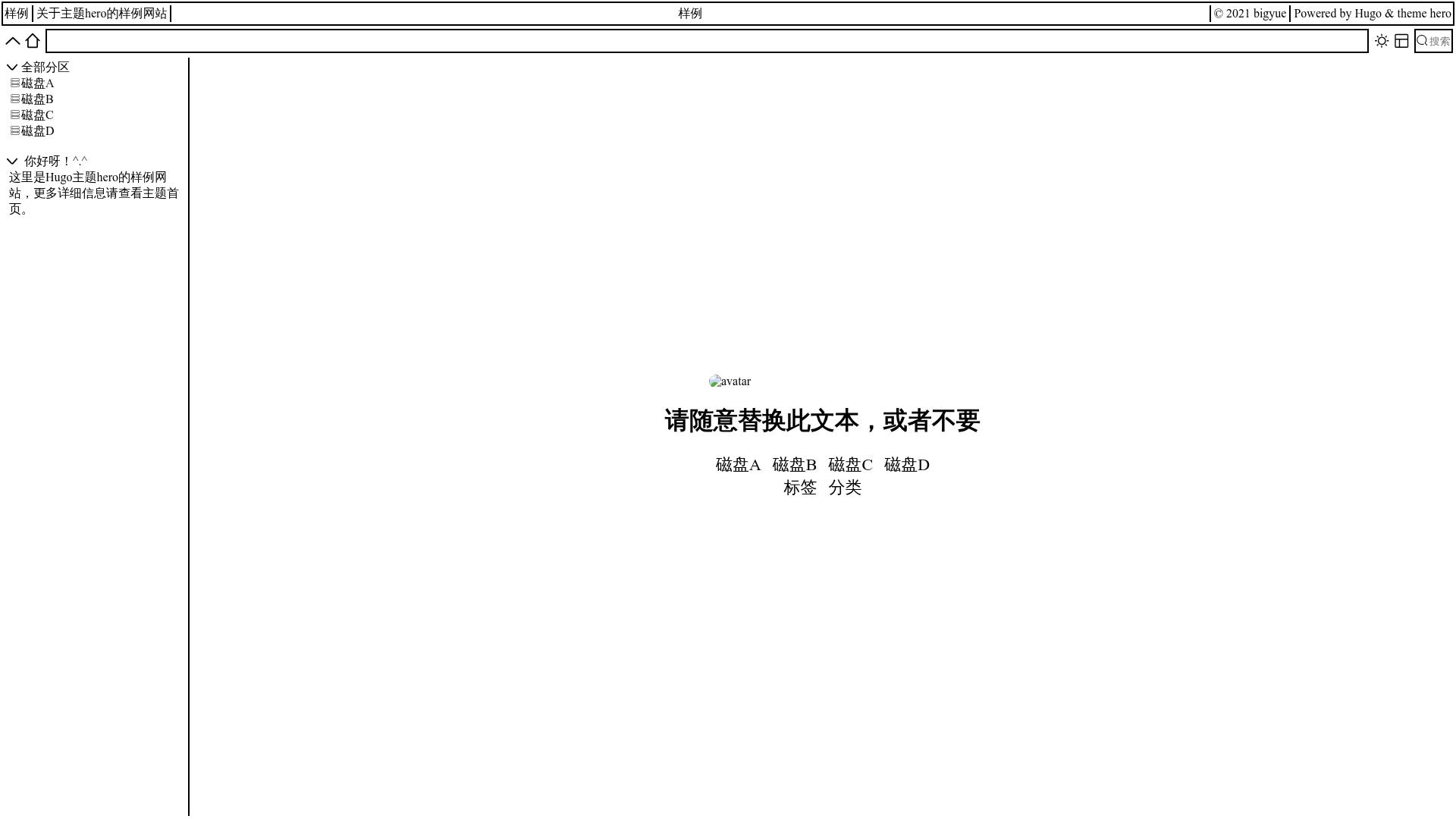
A Hugo theme with file explorer style
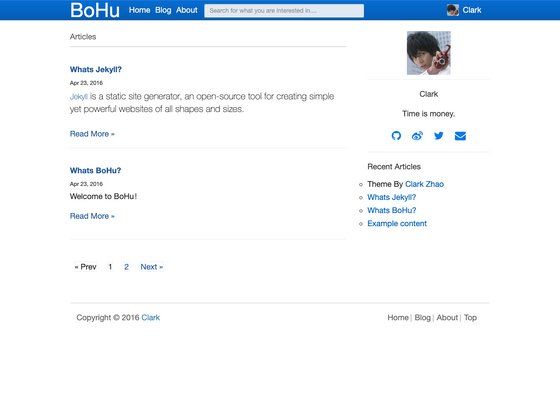
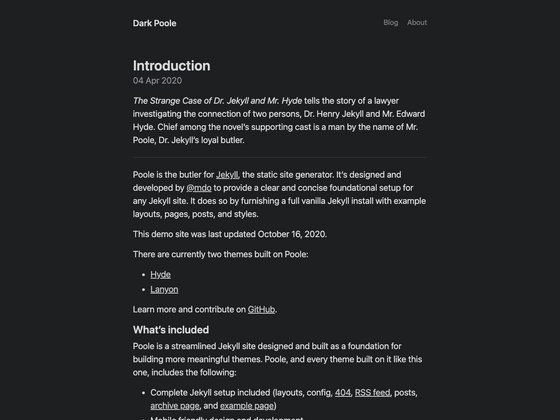
A simple Jekyll blog theme that brings Zhihu-style typography, search, and pagination to your personal blog.
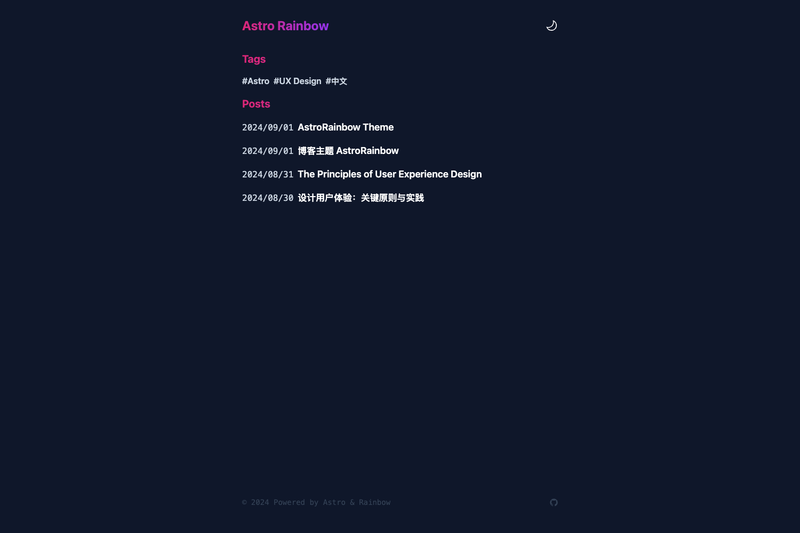
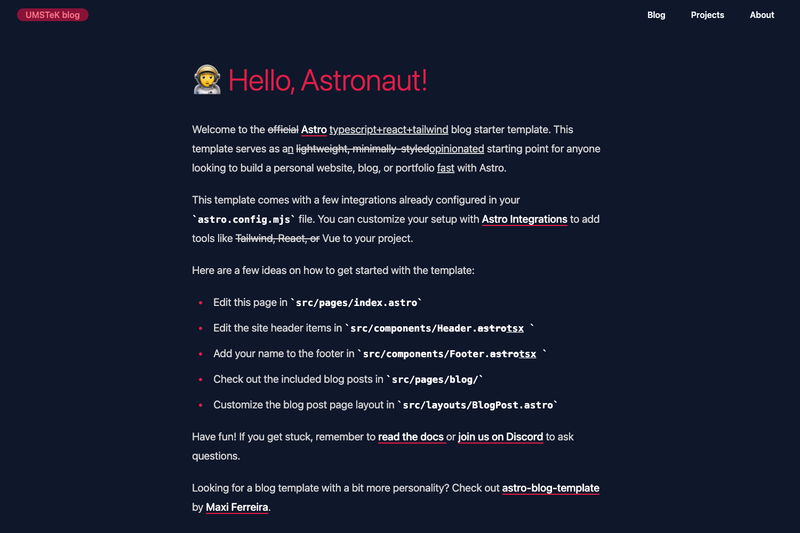
🌈 AstroRainbow is a clean and simple Astro theme designed for blogs.
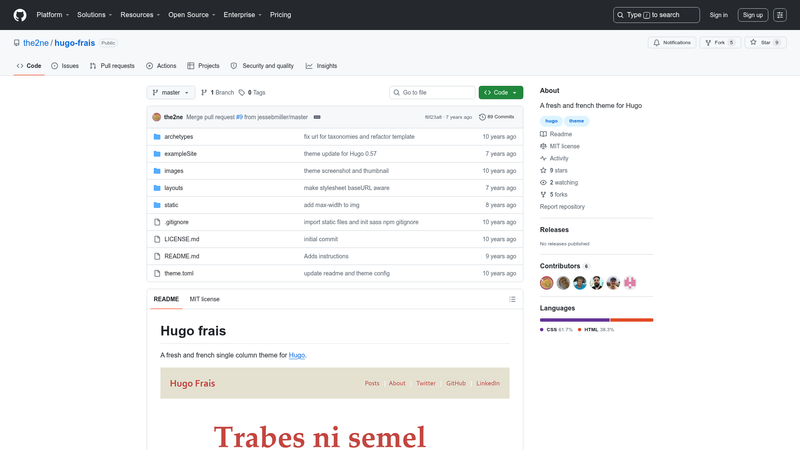
A fresh and French single-column theme for Hugo static site generator.
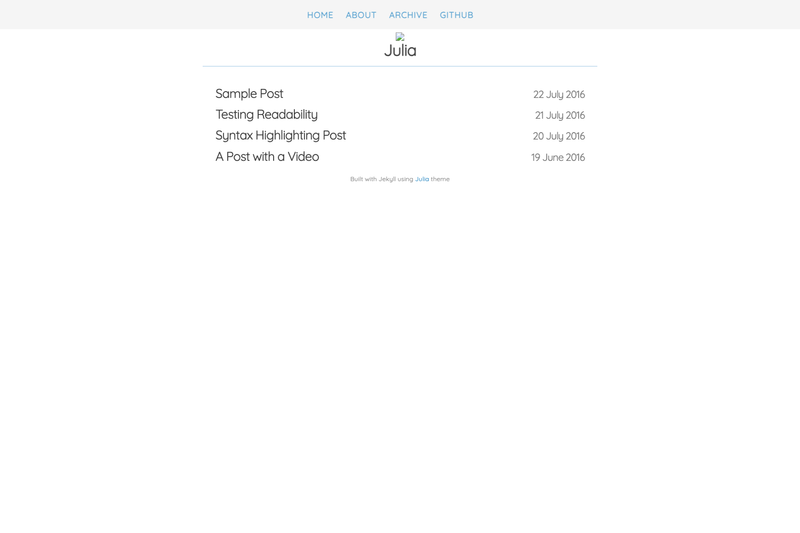
A minimalistic Jekyll theme for personal blogs, featuring an archive page, Disqus comments, and Google Analytics.
Hero is a Hugo theme for building blog sites with a file-explorer-style interface, presenting content as a browsable tree of sections and posts.
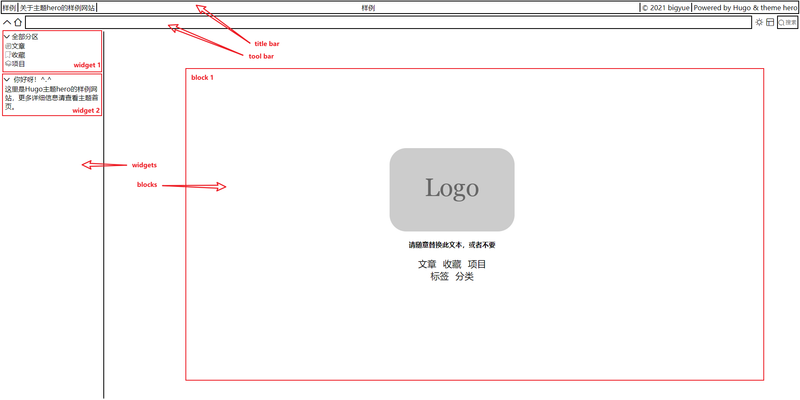
Hero (short for Hugo Explorer Read Only) is a Hugo theme that renders a blog as a file explorer interface instead of a traditional card or list layout. It takes standard Hugo content — markdown files, sections, and taxonomy pages — and outputs a static website with a sidebar tree, breadcrumb navigation, and configurable widgets and blocks. The theme is authored by yue1124 and distributed on GitHub; you add it to a Hugo site as a git submodule. It does not edit or manage markdown files; it displays them read-only.
config.toml.icon frontmatter of their _index.md, and you can replace the icon font with a custom iconfont library via the iconfont parameter.json output format is enabled on the homepage, allowing a search feature across all regular pages without an external search service.posts/tech/, posts/life/) and let readers browse them like a file system.After installing Hugo, you create a new site, add the theme as a git submodule, and set theme = "hero" in config.toml. Then you create content as markdown files, optionally define widgets and blocks per page type in config.toml, and run hugo server -D for local preview or hugo -D to build static pages. The theme reads the content structure and renders the explorer interface.
No. It only displays the structure of your markdown content as a file tree; it cannot create, edit, or delete files. That is why the author calls it "Read Only".
No. Hero is a theme for the Hugo static site generator. You need Hugo installed to build a site with it.
You add a [params.widgets] and [params.blocks] section to config.toml. For each page type (home, section, single, terms, term) you list the widget or block names to display. For example, home = ["section", "welcome"] in widgets and home = ["profile"] in blocks.
The author states it is not suitable for mobile or some devices. If mobile support is critical you may need to adapt the layout yourself.
It outputs the home page in Hugo's json format, which enables a custom search across all regular pages. The search UI itself is not fully implemented in the theme (no markdown theme and TOC theme yet), so you may need to add your own search interface.