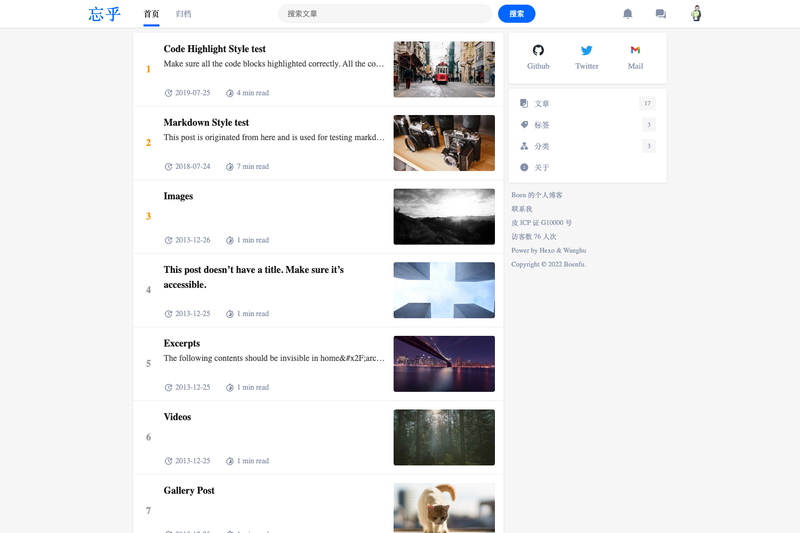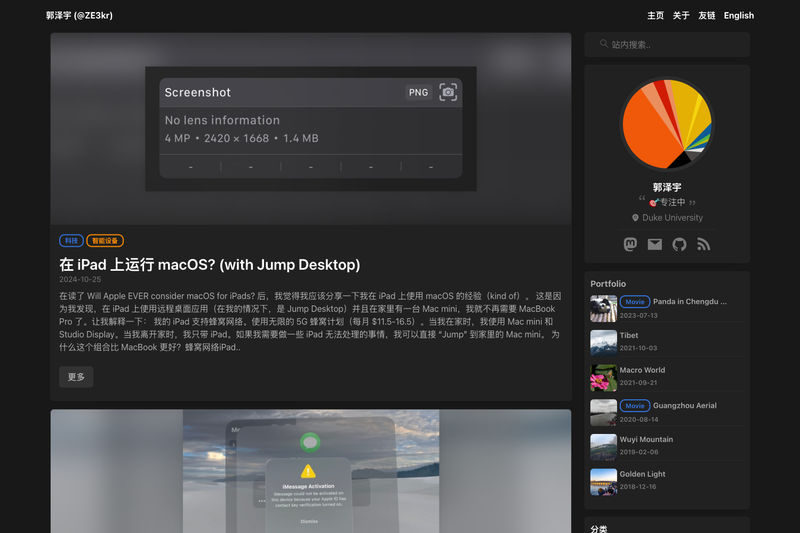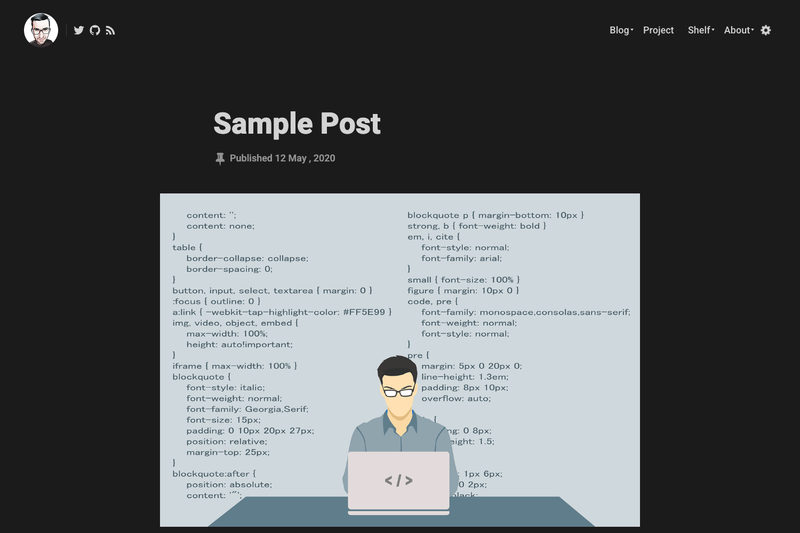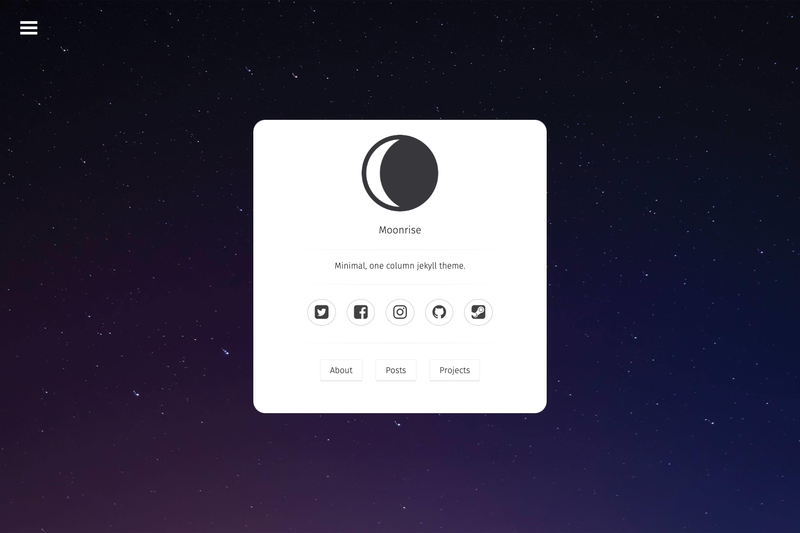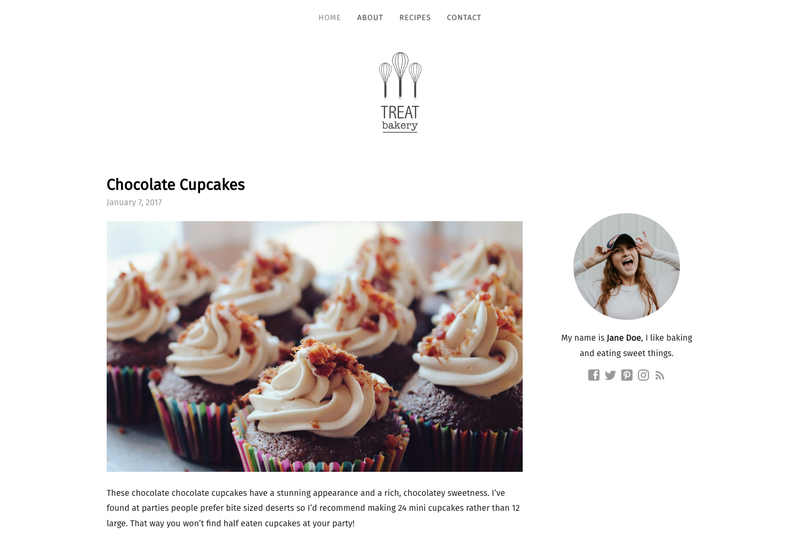
hugo-simple-sections is a minimal Hugo theme that groups content into sections with a simple navigation menu, built on Codeberg by VaDeCodiNet.
What is hugo-simple-sections?
hugo-simple-sections is a static-site theme for Hugo, the Go-based static site generator. It takes Hugo content files organized in sections and renders a static website with a navigation menu that switches between those sections. The theme is maintained by VaDeCodiNet under the author handle dunetna and is hosted on Codeberg, with 12 commits across a single main branch and a repository size of 7.9 MiB. Code breakdown shows HTML at 69.1%, CSS at 16.2%, JavaScript at 8.3%, and Shell at 6.4%, indicating a lightweight, mostly HTML-and-CSS theme.
Key Features
- Section menu navigation — The theme generates a menu from your content sections; a recent commit added extra spacing to prevent the menu from overlapping large content pages and links from becoming unclickable.
- Internationalization support — An i18n directory holds translation keys, so you can build multi-language Hugo sites with language-specific strings.
- Example site included — The exampleSite folder provides a ready-to-copy structure that shows how to set up content sections, configuration, and menus.
- Theme metadata and configuration — A theme.toml file supplies Hugo-compatible metadata, while hugo.yaml in the repository documents the theme and adapts the sample configuration.
- Quality-check tooling — The repo ships .markdownlint.yaml, .stylelintrc.js, .prettierignore, and .pre-commit-config.yaml to keep Markdown and CSS formatted.
- Shell-based post-install script — npm-postinstall.sh runs after Node dependencies install, suggesting a way to set up the theme’s build or watch process.
Who is it for?
- Independent bloggers — set up a simple personal blog where different content types live in separate menu sections.
- Documentation maintainers — organize guides, tutorials, and API references into distinct sections with a lightweight UI.
- Hugo learners — study a minimal, readable theme structure with pre-commit hooks and i18n patterns to model their own themes.
What can you do with it?
- Multi-topic personal sites: create sections like “Blog,” “Projects,” and “About,” each available from the main menu.
- Small documentation hubs: write docs in separate content folders and let the theme render a section-based site without extra machinery.
- Translation experiments: use the i18n keys and example site to test how Hugo handles localized strings.
How does it work?
As a standard Hugo theme, you clone this repository into your Hugo site’s themes directory, point your config to the theme name, and add content under section folders. The exampleSite acts as a starting template for that structure. The pre-commit and npm scripts help with development tasks such as formatting and installation.
FAQ
Is hugo-simple-sections a free theme?
It is hosted on Codeberg, a platform for open-source projects, but the repository does not display a license specification in the visible file list. You would need to check the LICENSE file inside the repository to confirm the exact terms.
Does the theme support multiple languages?
Yes, the repository includes an i18n folder, which is Hugo’s mechanism for translating interface strings. You can configure Hugo to use multiple languages and provide translated text via translation files.
How is this theme installed?
Standard Hugo theme installation applies: download or clone the repository into your site’s themes/hugo-simple-sections directory, then set the theme in your Hugo configuration (for example, in hugo.yaml). The exampleSite folder shows a working configuration.