Newsletter
Join the Community
Subscribe to our newsletter for the latest news and updates

Minimal Shopify Hydrogen v2 headless storefront boilerplate built on Remix, ready to deploy to Vercel with zero configuration.
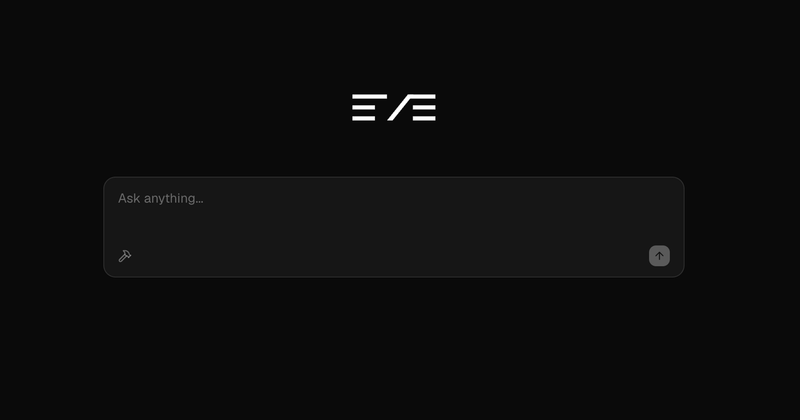
A persisted Next.js chat template for eve, built with shadcn/ui, Tailwind CSS, Streamdown, Better Auth, Drizzle, and Neon.
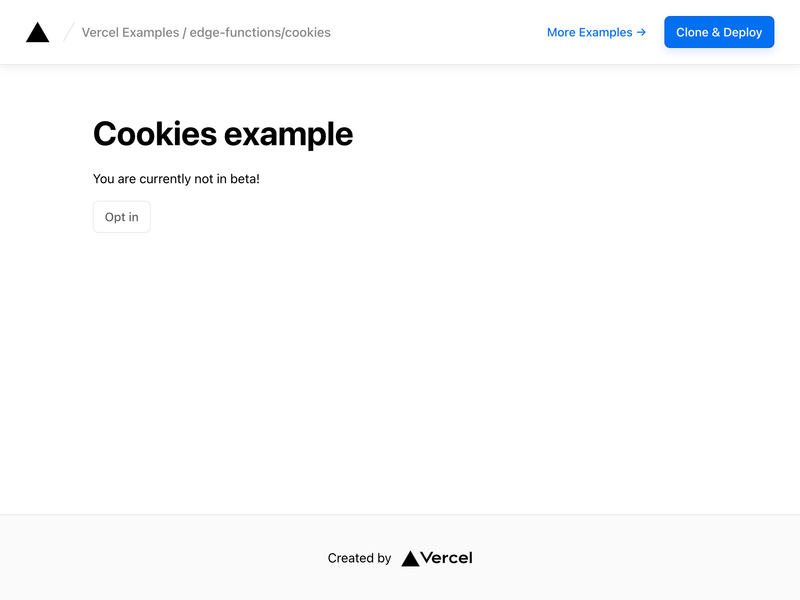
Next.js Edge Middleware example that reads a cookie at the edge and rewrites visitors to a statically generated page based on its value.

Open-source AI chatbot template built with Next.js, the AI SDK by Vercel, and Groq for streaming chat responses.
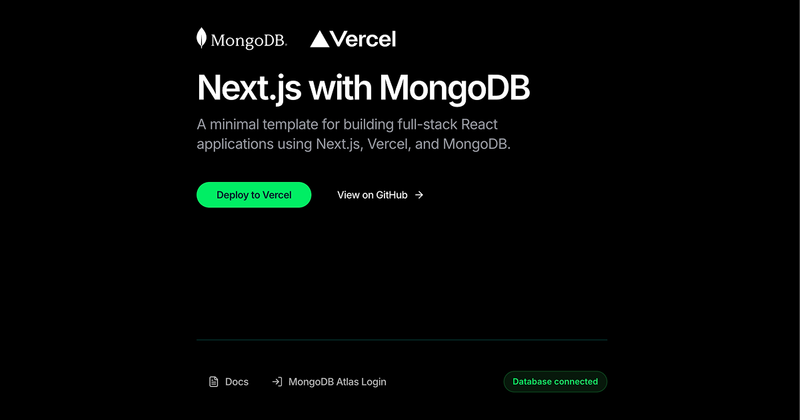
Minimal full-stack starter pairing the Next.js 16 App Router with MongoDB Atlas, TypeScript, Tailwind CSS, shadcn/ui and one-click Vercel deploy.

Starter that installs an Elysia API with Bun, previews it locally through the Vercel CLI on port 3000, and deploys it to Vercel.
Hydrogen v2 is a minimal Shopify headless-commerce storefront boilerplate from the Vercel examples collection that deploys to Vercel with zero configuration, giving developers a working starting point for a Hydrogen storefront instead of an empty repository.
Hydrogen v2 is a starter storefront built on Hydrogen, Shopify's stack for headless commerce, which is designed to dovetail with Remix, Shopify's full-stack web framework. It ships a minimal set of components, GraphQL queries and tooling so a developer can connect to a Shopify backend and start building custom storefront pages. It is published as a framework boilerplate in the Vercel examples repository and can be cloned and deployed directly, either through the Vercel deploy flow or the Vercel CLI.
Shopify developers starting a custom headless storefront who want Remix routing and Hydrogen commerce components already wired together. Agencies prototyping a client storefront on Shopify's official stack without scaffolding a project from scratch. Vercel users who want a Shopify-connected app deployed to Vercel with the environment variables preconfigured. Learners exploring how Hydrogen and Remix combine, using the minimal component and route setup as a readable reference.
Launch a storefront quickly: clone the boilerplate to Vercel and get a running Hydrogen storefront connected to Shopify with the default environment variables applied at deploy time. Build custom storefront pages: add routes and components on top of the included minimal set while using the GraphQL generator to type your Shopify queries. Run local development against Shopify: rename .env.example to .env, run npm install and npm run dev, and develop with the Shopify dev server.
Deploy the repository through the Vercel clone flow or run npm i -g vercel followed by vercel. The template's minimal environment variables are defined in vercel.json and applied on deployment; you are expected to migrate them into your Vercel project's environment variable settings, change SESSION_SECRET to your own value, then delete vercel.json so it no longer takes precedence.
Yes. Hydrogen requires environment variables that connect to Shopify, so you need Shopify credentials and a storefront to fetch real data. The template ships a minimal default set in vercel.json and a .env.example file for local development.
It deploys to Vercel with zero configuration, and the defaults in vercel.json are applied automatically. Vercel recommends moving those variables into your project settings and deleting vercel.json afterwards so your own values take precedence.
It is built on Remix, Shopify's full-stack web framework, with Hydrogen providing the headless commerce layer. The template also includes ESLint, Prettier, a GraphQL generator, and both TypeScript and JavaScript flavors.
The boilerplate is an open example hosted in the Vercel examples repository and can be cloned for free. Any costs come from the hosting and Shopify plans you connect it to.