Newsletter
Join the Community
Subscribe to our newsletter for the latest news and updates

Material Design Lite-powered Jekyll theme for building Material Design-styled blogs and static sites.
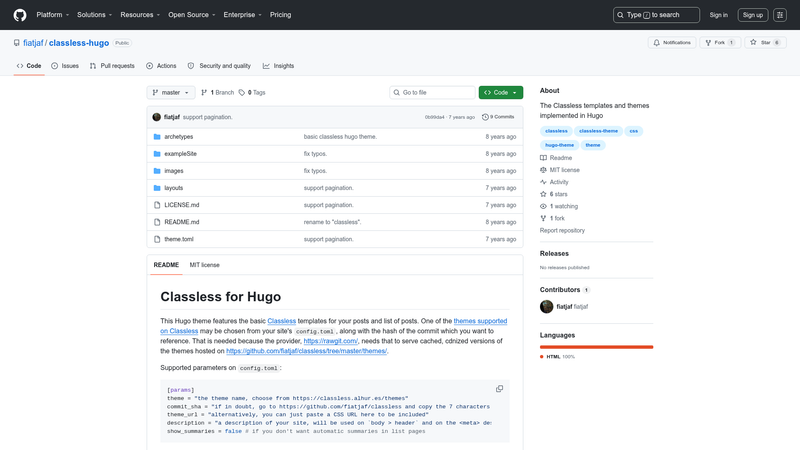
A Hugo theme that applies the Classless CSS templates, with theme selection via config.toml and optional per-post covers.
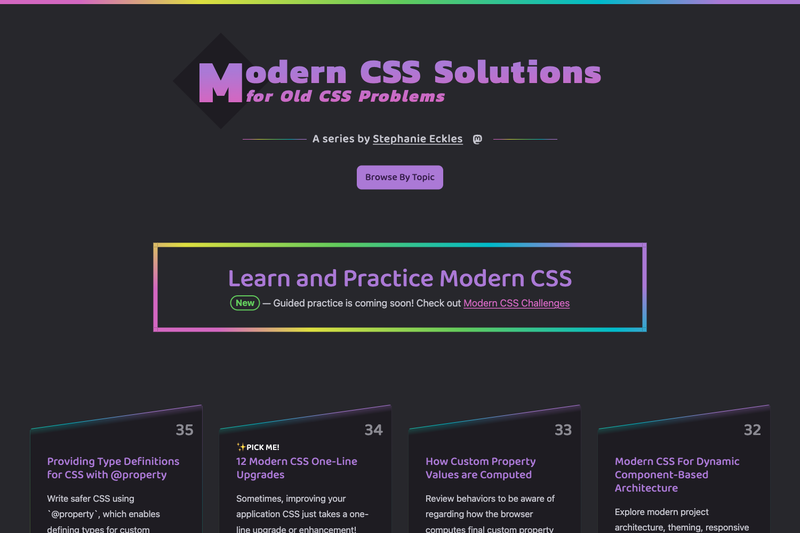
Posts from the series 'Modern CSS Solutions to Old CSS Problems' by Stephanie Eckles.
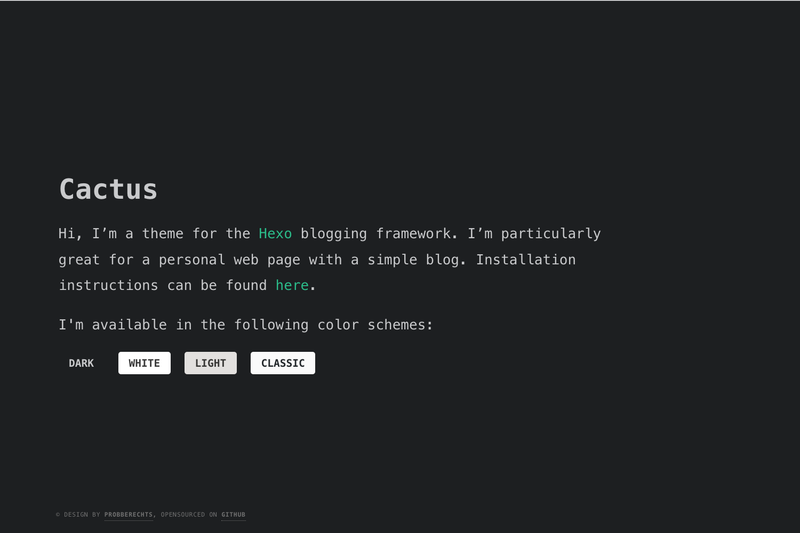
A responsive, clean and simple Hexo theme for personal websites with multiple color schemes, i18n, and comment support.
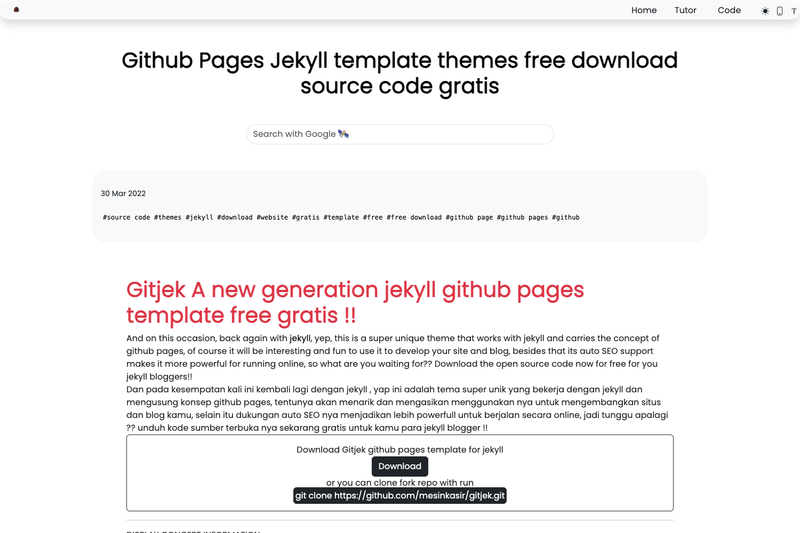
A free Jekyll blog theme for GitHub Pages with a clean home page, content area, and mobile-responsive design.
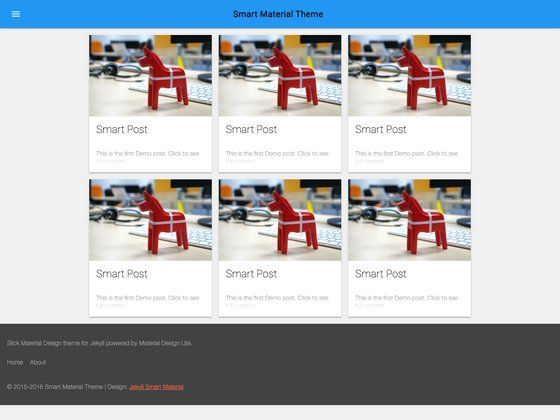
Jekyll Smart Material is a free Material Design Lite-powered theme for the Jekyll static site generator, turning Jekyll's Markdown content into a Material Design-styled website.
Jekyll Smart Material is a Jekyll theme built on Material Design Lite v1.2.1, Google's component library for responsive Material Design interfaces. It takes Jekyll's standard content structure — Markdown posts and HTML pages — and renders them with Material Design's visual language. The theme is developed by the GitHub user ssokurenko, with a live demo at https://ssokurenko.github.io/jekyll-smart-material. The repository description is "Smart Material Design theme for Jekyll" and it has 14 stars as of the repository metadata.
jekyll serve from the project folder makes the site available at http://127.0.0.1:4000/ for development and testing.https://github.com/ssokurenko/jekyll-smart-material.git, install Jekyll with sudo gem install jekyll, and run jekyll serve.The workflow is the standard Jekyll local development loop: fork or clone the repository, install Jekyll as a Ruby gem (sudo gem install jekyll), then run jekyll serve in the project directory. Jekyll builds the site and serves it at http://127.0.0.1:4000/, watching for file changes so you can iterate without restarting.