Newsletter
Join the Community
Subscribe to our newsletter for the latest news and updates

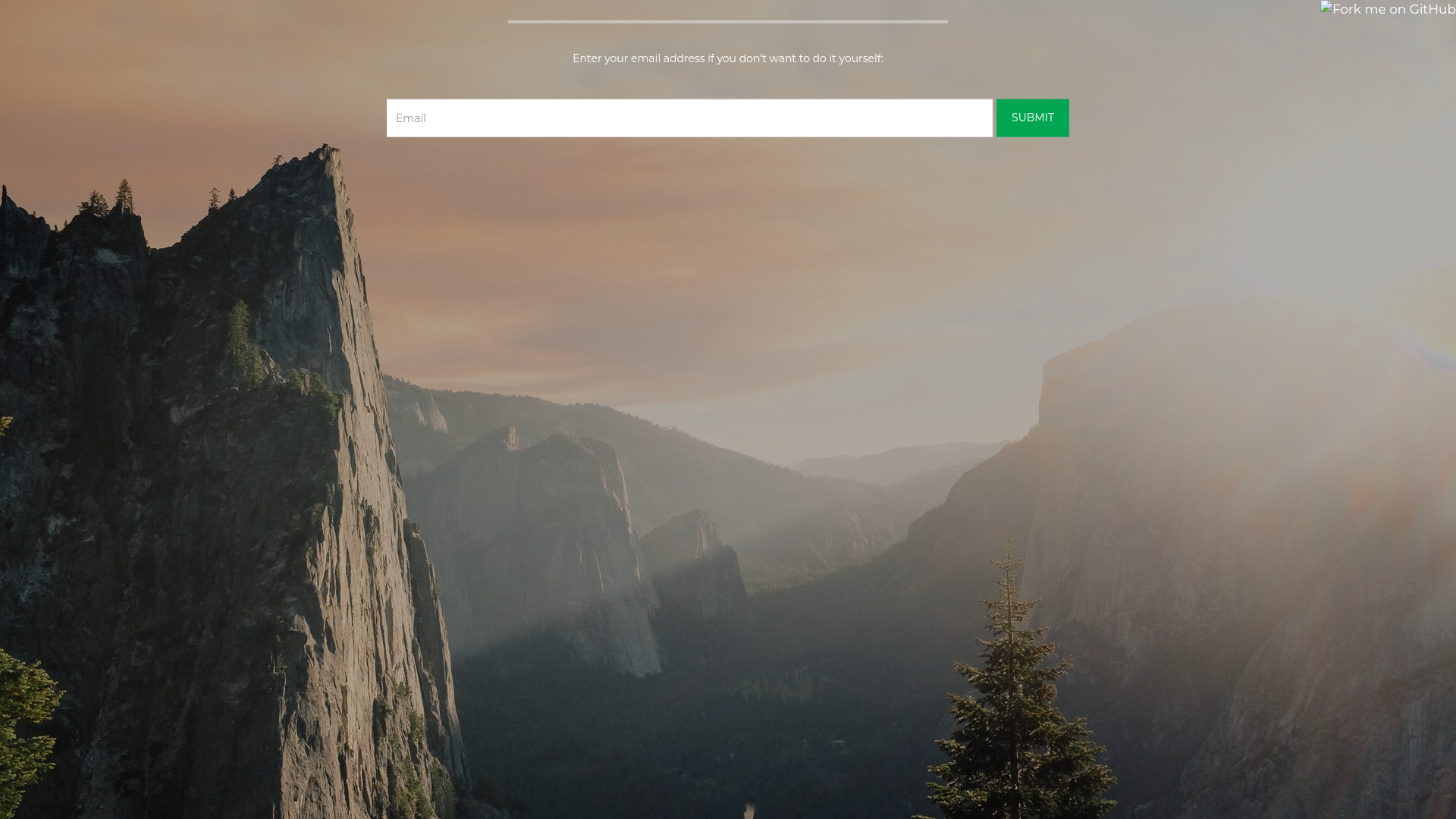
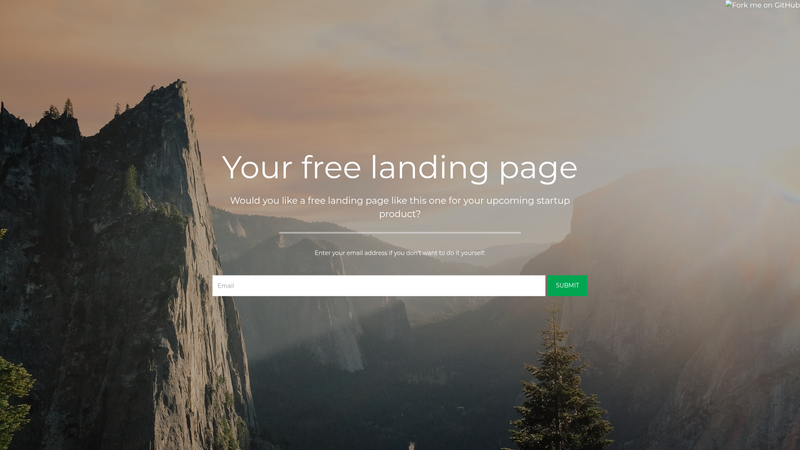
A pure client-side landing page template you can fork, customize, and host freely, with Mailchimp and Google Analytics.
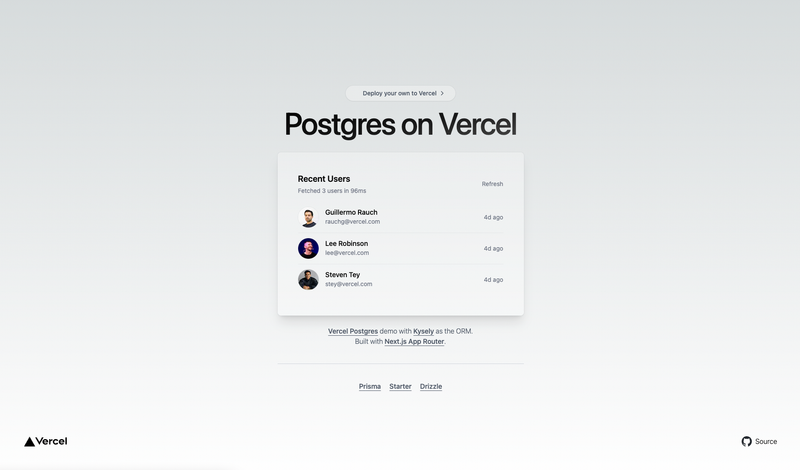
Simple Next.js template that uses a Postgres database and Kysely as the query builder.
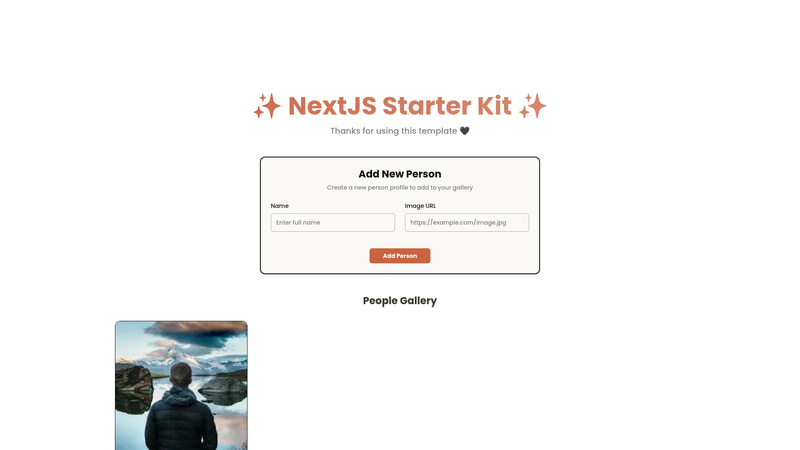
✨ Template of NextJS Project using Hexagonal Architecture
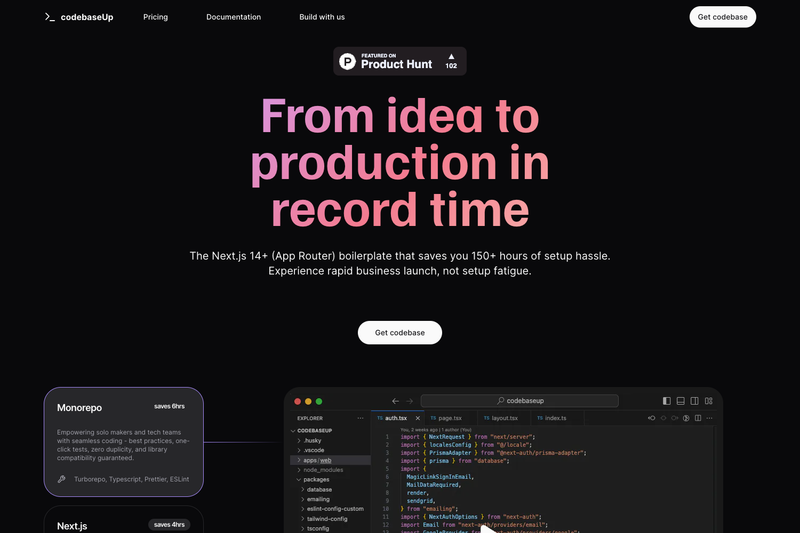
A free Next.js App Router boilerplate with Turborepo, NextAuth, Prisma, and shadcn/ui that saves 150+ hours of setup.
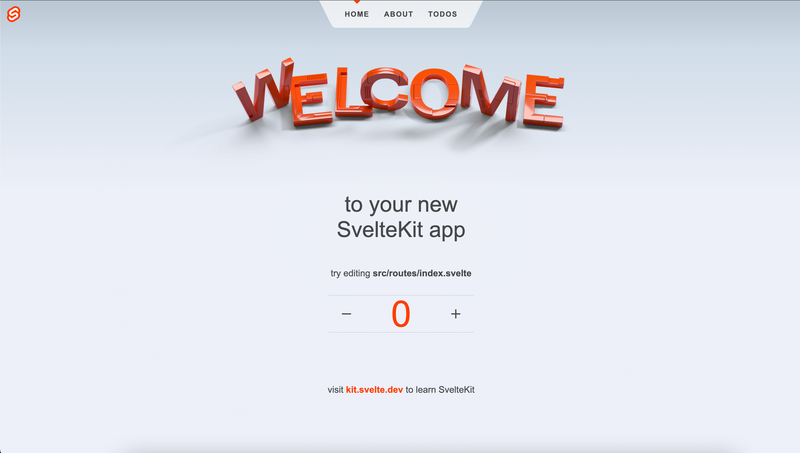
A SvelteKit starter app with nested routes, layouts, and page endpoints, optimized for Edge-first deployment on Vercel.
Starter theme for Hexo implemented with Jade and Less.
landing-page-boilerplate is a free, pure client-side landing page boilerplate built with static HTML, CSS, and a touch of JavaScript, designed to be forked, customized, and hosted freely on GitHub Pages while integrating Mailchimp for email subscriptions and Google Analytics for visitor statistics.
landing-page-boilerplate is a static HTML landing page template that you can fork from GitHub, edit, and publish as your own website. It takes your content and configuration — title, description, Mailchimp form action, Google Analytics ID, and background image — and produces a single-page responsive landing site that collects visitor emails and tracks page views. No server-side code or database is needed; the project runs entirely in the browser and can be hosted on GitHub Pages for free.
index.html file with linked CSS and images, so it loads quickly and requires no server-side processing or database.action attribute of the form element.UA-1858235-15 in the source) can be replaced with your own tracking ID to monitor page views.CNAME file is included; when paired with GitHub Pages, you can point your own domain name to the site.<title>, <h1>, <p>, and <meta> elements in index.html, and replace the default background image in /res/background.jpg.The workflow is entirely manual and documented in the project's README. First, fork the repository to your own GitHub account, then edit the metadata and content in index.html — including the page title, tagline, meta tags, the Mailchimp form action URL, and the Google Analytics tracking code. Next, replace the default background image in /res/background.jpg with your own. If you have a custom domain, set it in the CNAME file and configure GitHub Pages. Finally, hard-refresh your subdomain (or wait up to 24 hours), submit a test email through the form, and check your Google Analytics dashboard to confirm the page view was recorded.
Yes, the template is distributed as an open-source project on GitHub. You can fork it, modify it, and host it for free on GitHub Pages. The only external services involved — Mailchimp for email collection and Google Analytics for tracking — have their own free tiers, so you can run the landing page at zero cost for basic usage.
Yes. The project includes a CNAME file specifically for GitHub Pages custom domain support. After setting your domain in the CNAME file and configuring the DNS records with your domain registrar, your custom domain will point to the GitHub Pages-hosted landing page.
You need to update several elements inside index.html: the <title> and <h1> for the page/product name, the first <p> for the baseline description, all <meta> tags for search engines and social sharing, the action attribute of the <form> to your Mailchimp list URL, and the Google Analytics code (the default UA-1858235-15 should be replaced with your own).