Newsletter
Join the Community
Subscribe to our newsletter for the latest news and updates

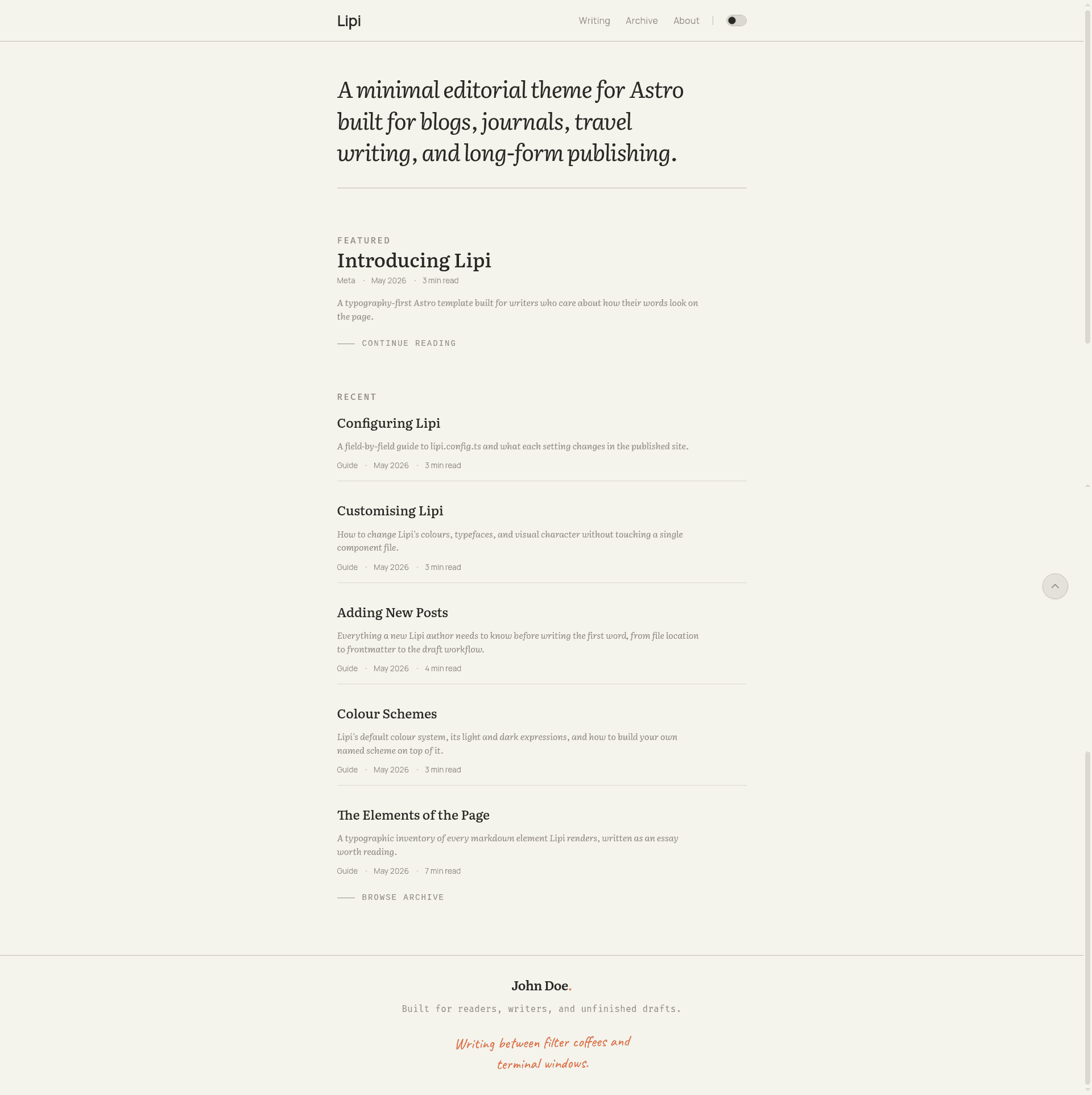
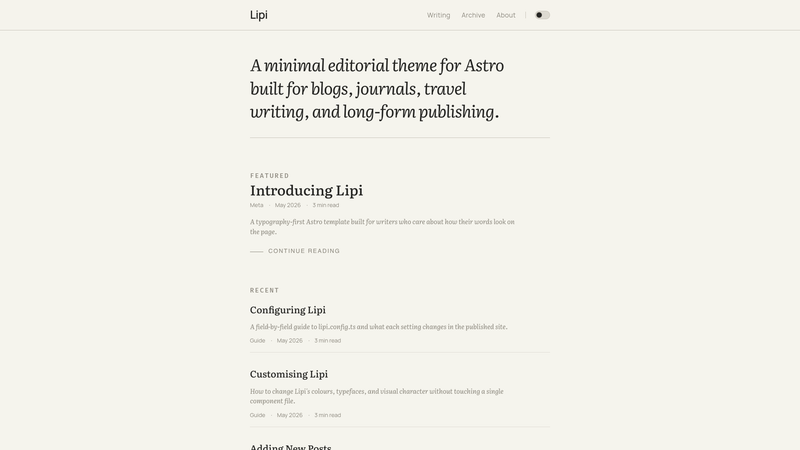
A typography-first Astro template for long-form writing, built for essays, travel notes, developer journals, and personal archives.
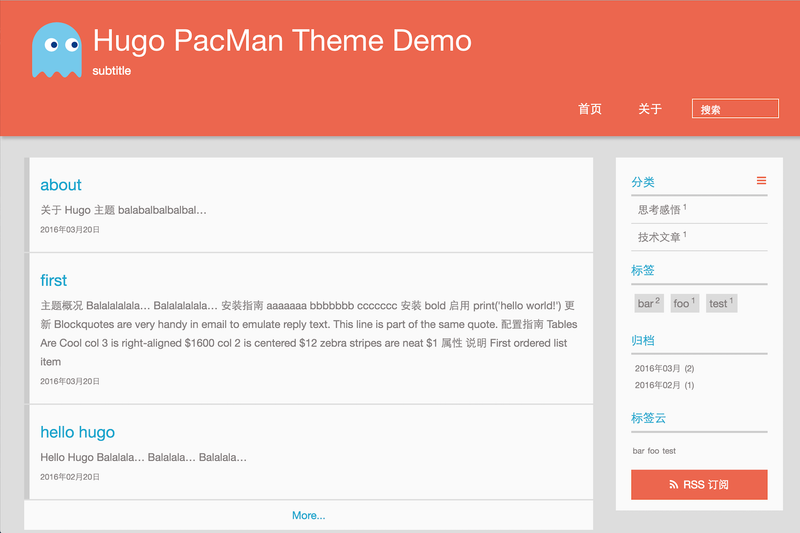
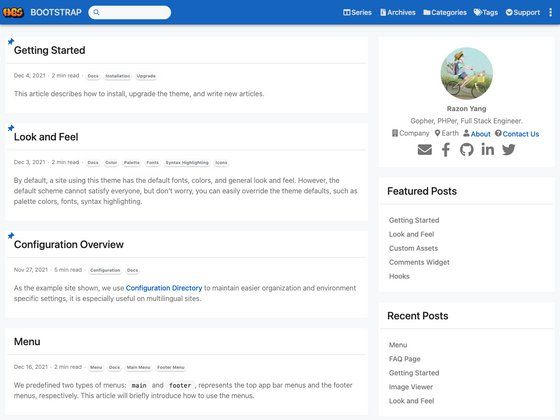
A Hugo blog theme with social links, Disqus, Google Analytics, and Chinese-language support.
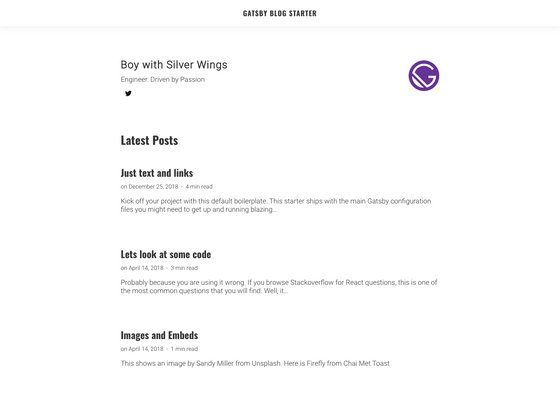
A Gatsby blog starter with styled-components, markdown content, and one-click Netlify deployment.

A tag-based Ghost theme that organizes publications into visual collections with beautifully designed tag columns.
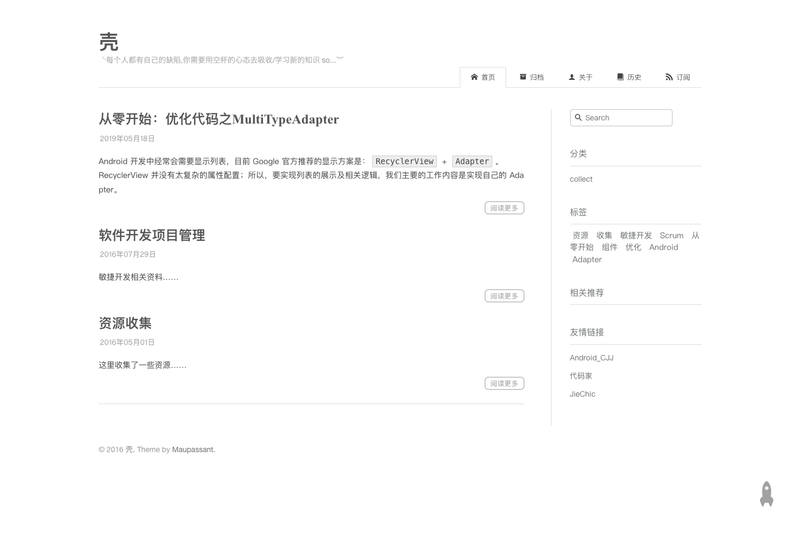
A minimalist Jekyll blog theme focused on performance across devices, with ports to WordPress, Hexo, Ghost, and more.
Lipi is an open-source Astro template for typography-first long-form publishing, turning Markdown and MDX files into a static publication site for essays, travel notes, developer journals, and personal archives.
Lipi is a publishing template built on Astro that renders Markdown and MDX content from src/content/posts into a static HTML site with a reading-focused design. It takes a single configuration file, configs/lipi.config.ts, and a content folder as input, and produces a fully static site with RSS feed, sitemap, full-text search, and auto-generated OG images. It is created by The Localhost Studio and released under the MIT license. The word "Lipi" (लिपि) is Sanskrit for "script," reflecting the template's emphasis on the written word.
src/styles/theme.css.Lipi is for writers who publish chronologically and want a calm, publication-like site without web-app complexity. It suits essayists who want a constrained reading measure (68 characters per line), developers who want clean code rendering in a personal journal, and travel or personal archivists who need year-based organization and tag filtering. It is not a good fit for sites that require sidebars, comment sections, newsletter embeds, or dashboards.
astro.config.mjs, and pick a "default" or "studio" hero variant from the config.Scaffold a project with npm create astro@latest -- --template thelocalhoststudio/lipi or clone the repository, then run npm install and npm run dev. Add posts as Markdown or MDX files in src/content/posts/, edit all site settings in configs/lipi.config.ts, and run npm run build to output a static site to ./dist/ with a Pagefind search index.
Lipi is free and open-source under the MIT license, so it can be used for personal or commercial projects with attribution to The Localhost Studio in the credits.
Yes, Lipi is open-source under the MIT license. You can use, modify, and deploy it freely, and the source code is available on GitHub.
Yes. Each post can include a tags array in its frontmatter. The template uses these tags to generate tag pages and to surface related posts on each article.
Colors are defined as CSS custom properties in src/styles/theme.css — a warm neutral scale from --base-50 to --base-950 plus a --brand accent. Fonts are configured in astro.config.mjs under the fonts array, and any name can be swapped to a Fontsource typeface.
No. Lipi is intentionally designed without sidebars, comment sections, newsletter embeds, or dashboards. It focuses on a clean reading experience for publication-style sites.
Lipi supports GitHub-Flavored Markdown and MDX for posts and pages. Posts live in src/content/posts/ and pages in src/content/pages/, with optional frontmatter fields such as draft, lang, cover, and updated.