
Template details
Minimalist Blog Starter
A Gatsby blog starter with styled-components, markdown content, and one-click Netlify deployment.
About this template
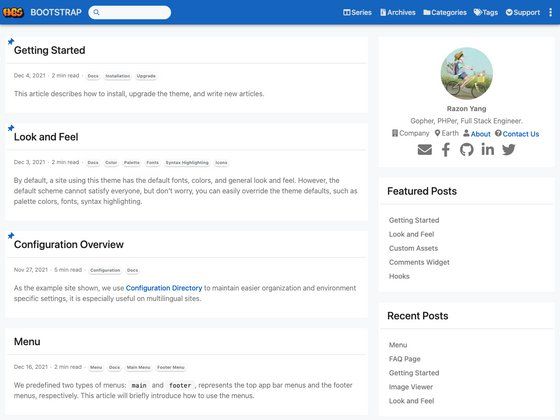
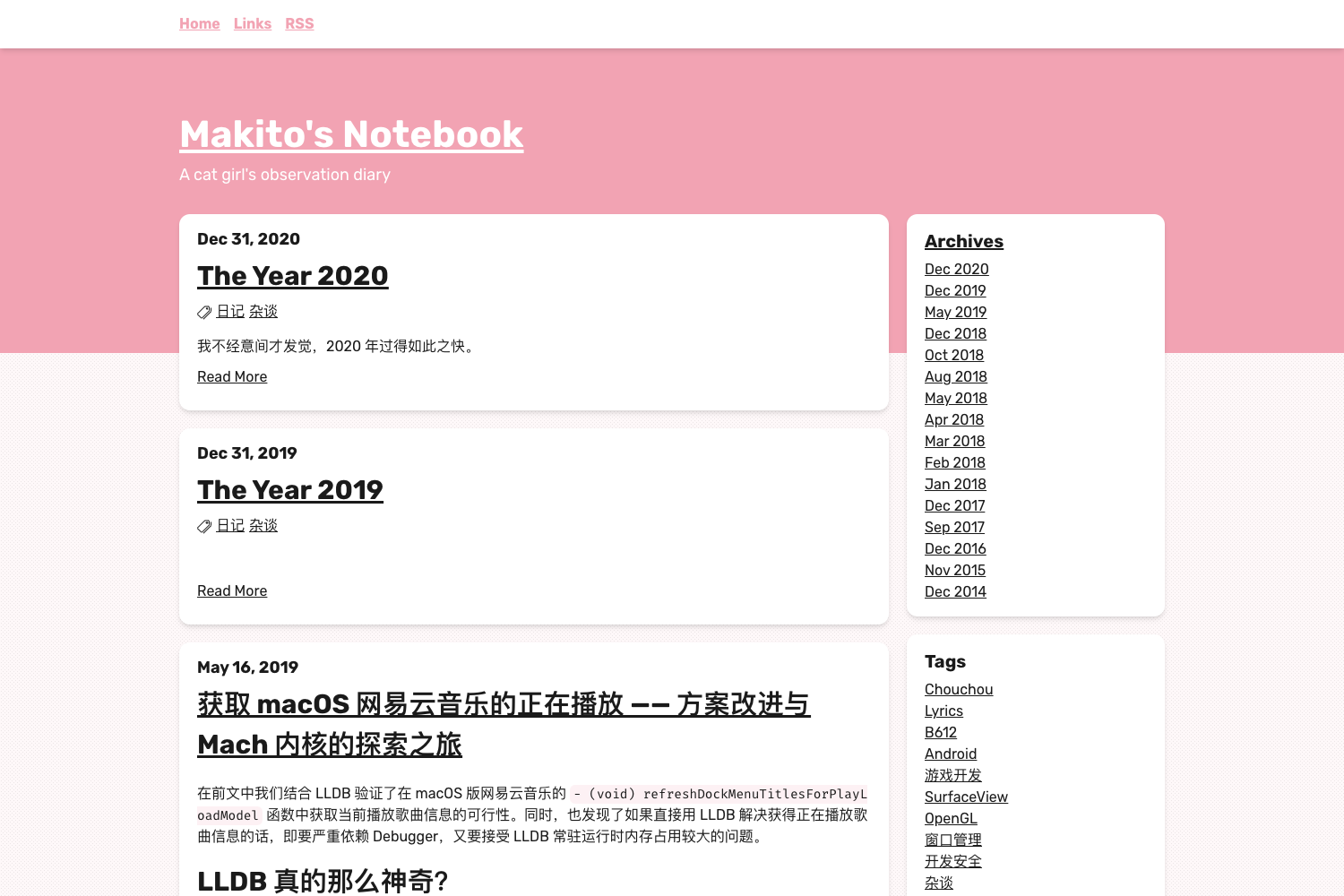
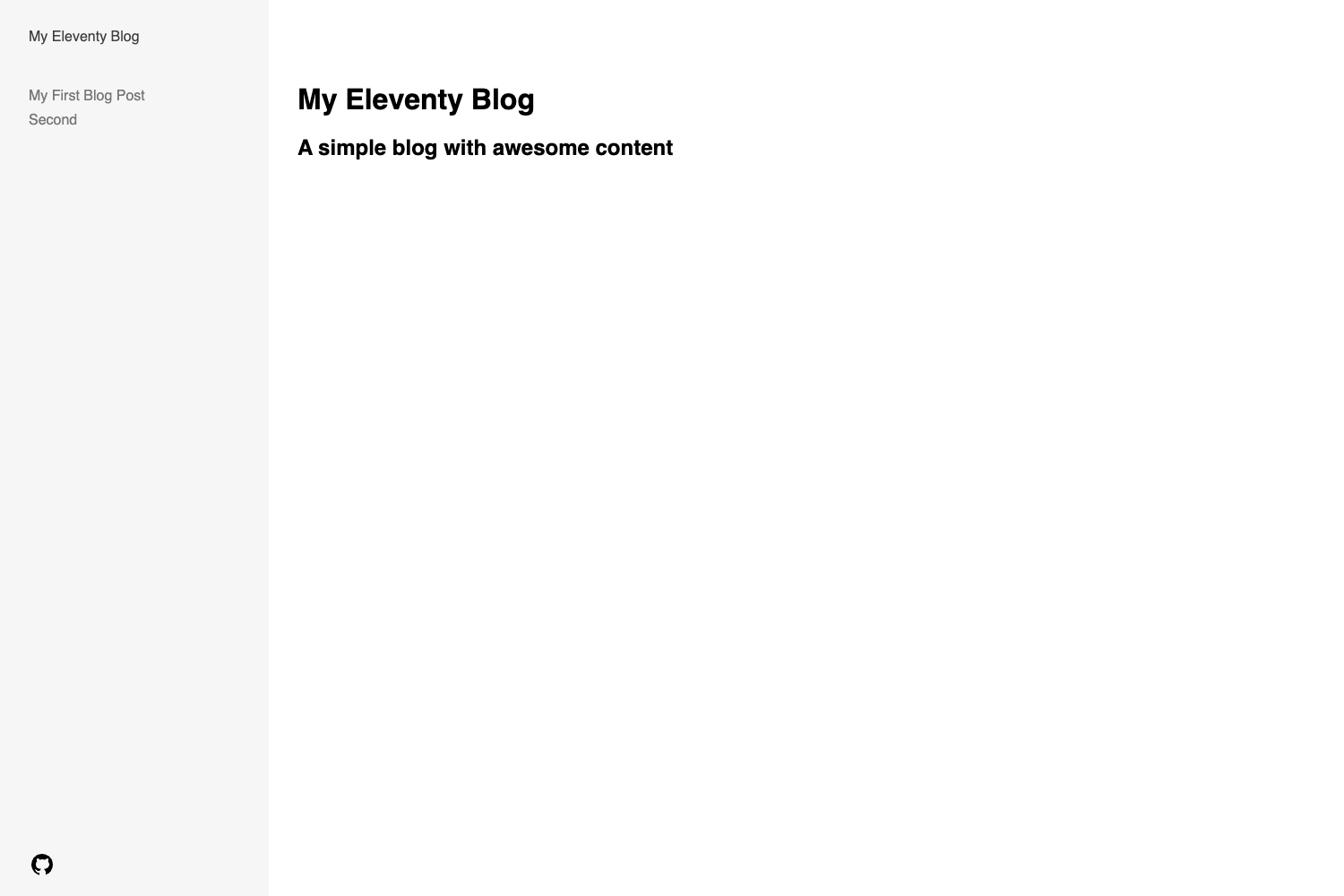
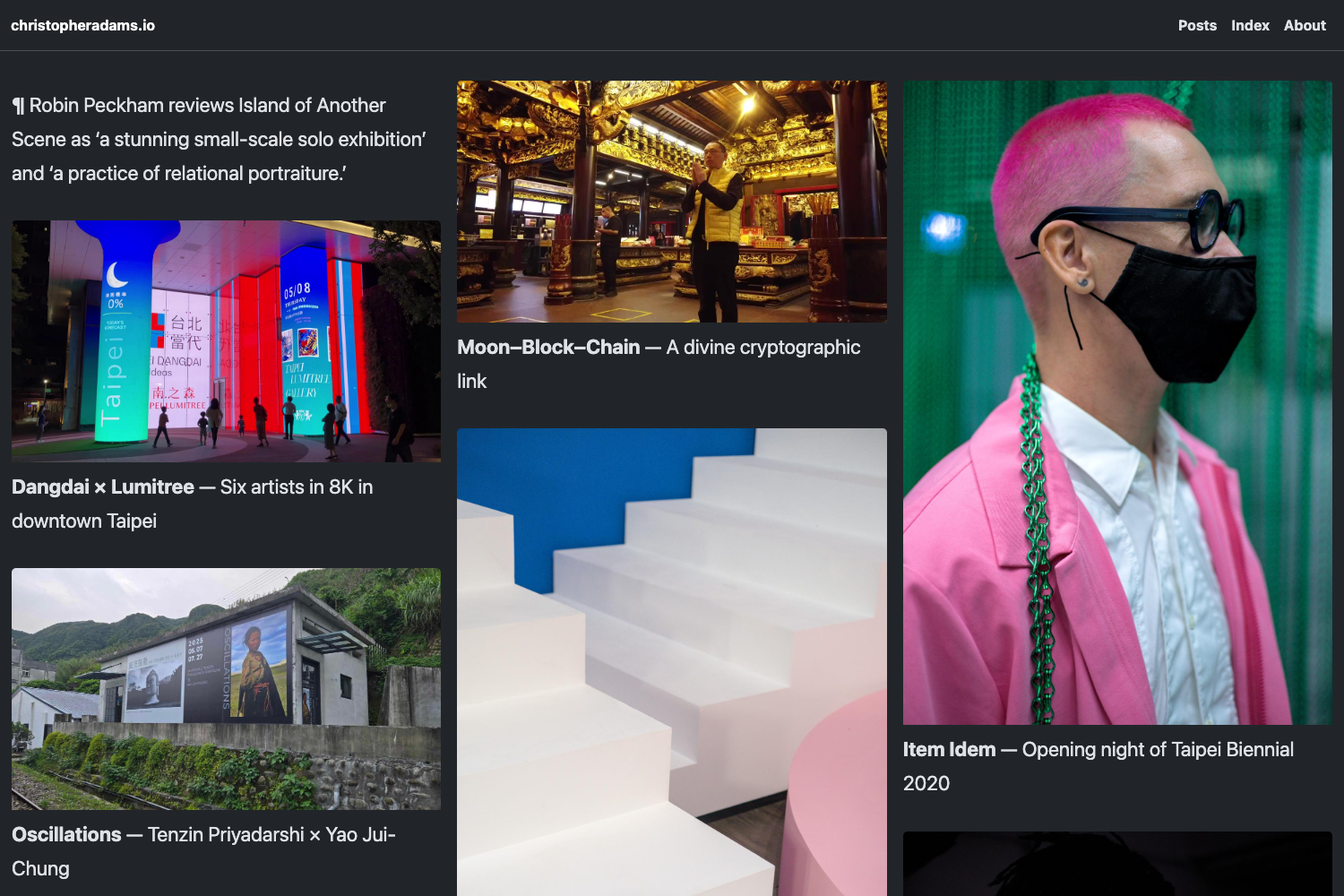
Minimalist Blog Starter is a Gatsby blog starter that builds a clean, minimalist static blog site from markdown content using styled-components for styling.
What is Minimalist Blog Starter?
Minimalist Blog Starter is a Gatsby starter template that produces a static blog website. The starter takes markdown files stored in the src/content directory as its content input and outputs a generated Gatsby site with a minimalist layout. It is built on the Gatsby static site generator, uses styled-components for styling, and is maintained by GitHub user BoyWithSilverWings. The repository includes a live demo site hosted on Netlify at https://vigilant-leakey-a4f8cd.netlify.com/.
Key Features
- Gatsby framework — Built on Gatsby, so the site gets static rendering, the GraphQL data layer, and access to Gatsby's plugin ecosystem.
- styled-components styling — Uses the CSS-in-JS library styled-components, which scopes styles to individual components.
- Markdown content — Blog posts are plain markdown files located in
src/content, allowing content without a CMS. - Netlify deployment — Includes a Deploy to Netlify button that starts a deployment from the repository; the provided live demo is also on Netlify.
- Gatsby API hooks — Ships with
gatsby-browser.js,gatsby-node.js, andgatsby-ssr.jsso developers can customize browser, node, and server-rendering behavior. - Prettier configuration — A
.prettierrcfile is included to keep code formatting consistent. - MIT license — The project is open source under the MIT license, allowing free use and modification.
Who is it for?
Minimalist Blog Starter is aimed at developers who want a lightweight Gatsby blog without a heavy theme. It suits Gatsby beginners who want to explore the GraphiQL interface and Gatsby's APIs by editing one file (src/pages/index.js). It also fits bloggers who are comfortable writing markdown and who plan to deploy a static site to Netlify. The README documents two example blogs built with this starter: Mindless and Cheatsheet.
What can you do with it?
- Developers: Create a new blog project quickly with
npx gatsby newusing the starter's GitHub URL, then rungatsby developfor local hot-reloading. - Bloggers: Publish posts by writing markdown files in
src/content; no backend or database is needed on the client side. - Netlify users: Click the Deploy to Netlify button to go from repository to a live static site in one step.
How does the starter work?
The quick start in the README lists three steps: create a Gatsby site with the starter URL via npx gatsby new, navigate into the folder and run gatsby develop, then edit src/pages/index.js and watch the browser update in real time. During development, a second URL at http://localhost:8000/___graphql opens GraphiQL for experimenting with GraphQL queries. The file structure uses the standard Gatsby layout: gatsby-config.js for metadata and plugins, gatsby-node.js for build process hooks, and src/content for markdown posts.
Pricing
The starter is free to use because it is released under the MIT license.
FAQ
Is this starter free?
Yes, the project is open source under the MIT license, so there is no cost to download, use, or modify it.
What styling solution does it use?
It uses styled-components, a CSS-in-JS library. The README says the project "with styled-components shows off a minimalist blog layout."
Where do I add blog content?
Blog posts live in the src/content directory, which the README describes as holding the markdown files for the blog.
How do I deploy the site?
The README includes a Deploy to Netlify button that deploys the repository to Netlify, and the live demo is hosted at a Netlify subdomain.
What is the second localhost link for?
Running gatsby develop provides http://localhost:8000/___graphql, which opens GraphiQL, a tool for experimenting with GraphQL queries against your site data.