Newsletter
Join the Community
Subscribe to our newsletter for the latest news and updates

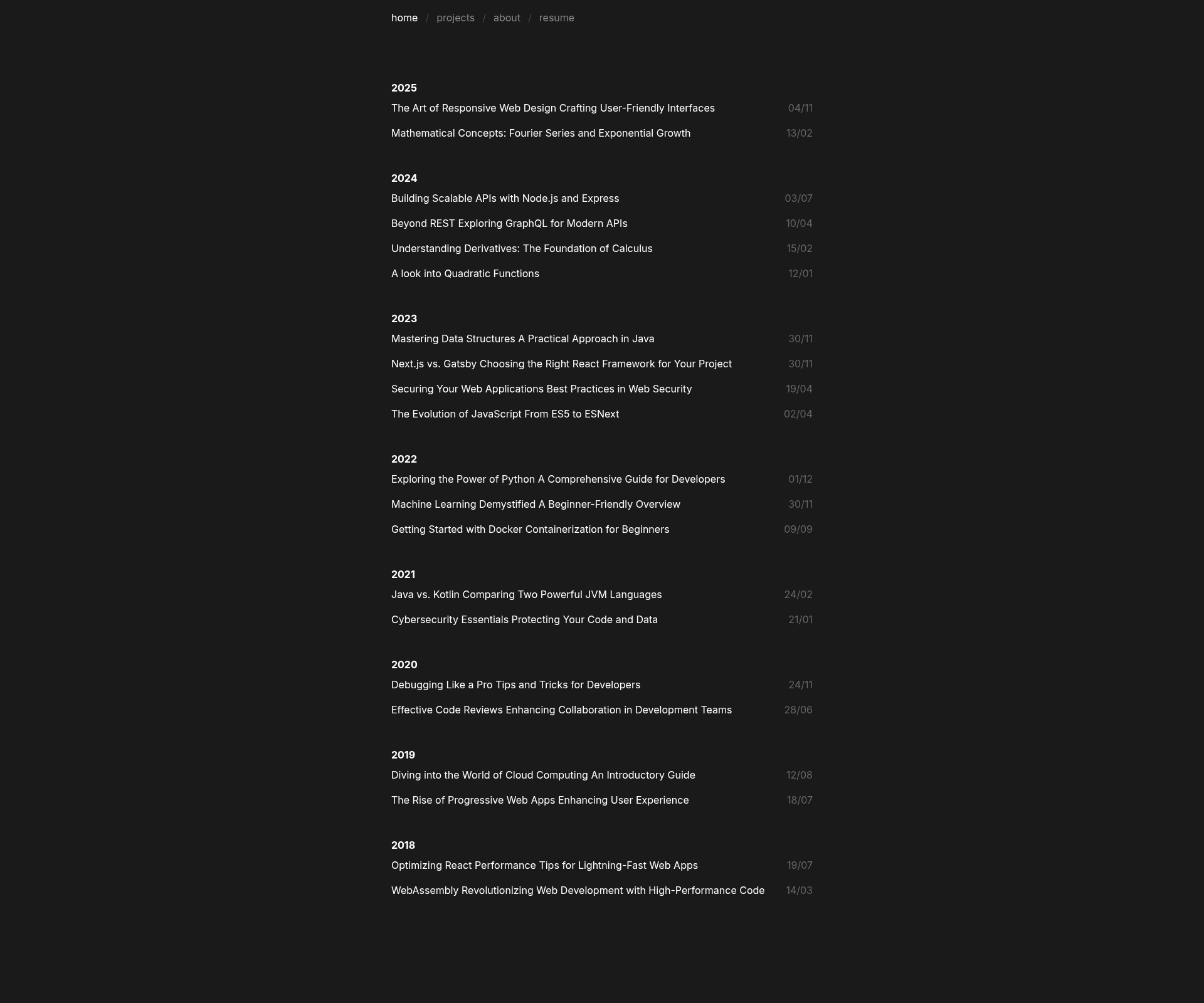
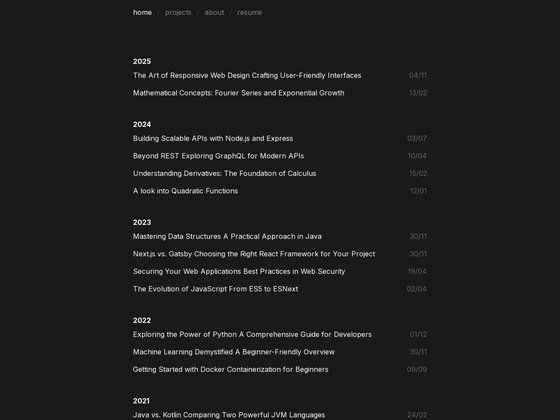
Minimalistic dark mode blogging and portfolio template built with Next.js and TailwindCSS.
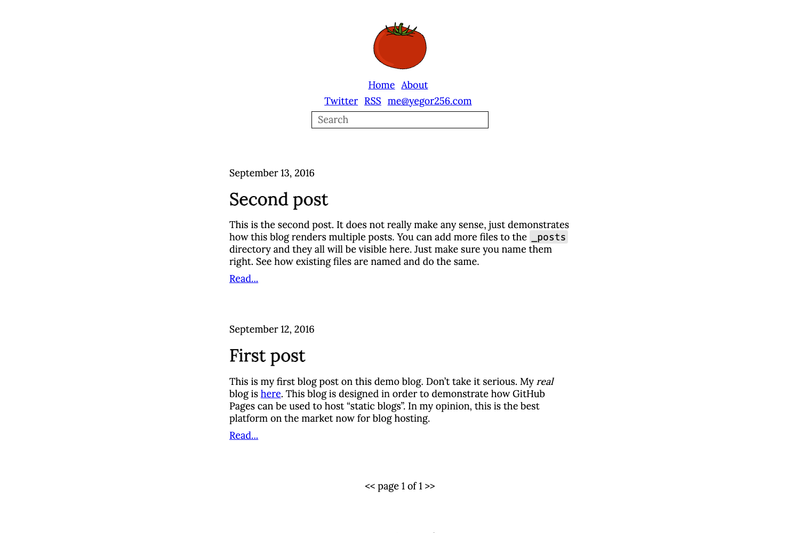
Jekyll demo blog for the '256 Bloghacks' book, deployable via Docker.
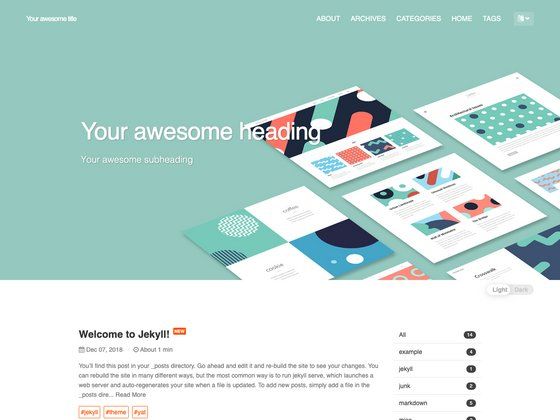
A modern responsive Jekyll theme for elegant writers with night mode and flat design.
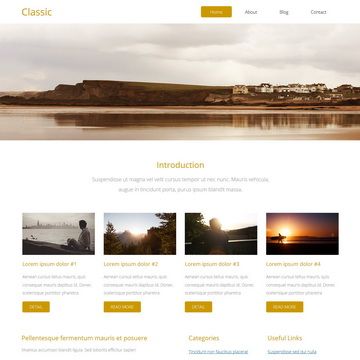
Classic is a free multi-page Bootstrap 4 HTML/CSS template from TemplateMo with flexible 2-4 column layouts, blog, about, and contact pages.
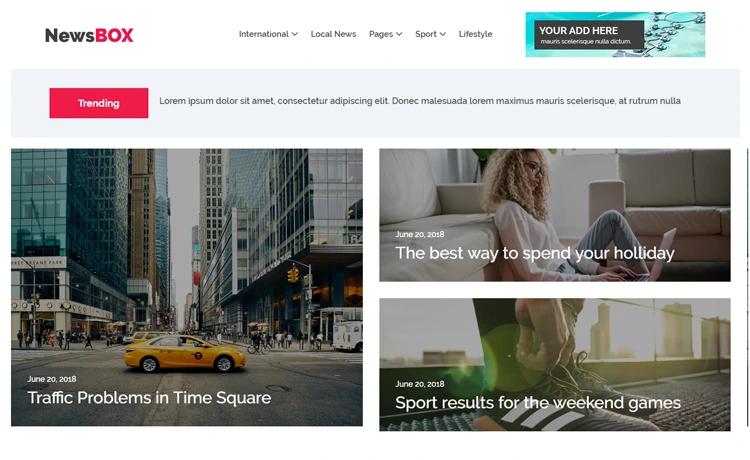
Free Bootstrap 4 multi-page news website template for online newspapers and magazines, featuring carousels, mega-menu, and ad placement.
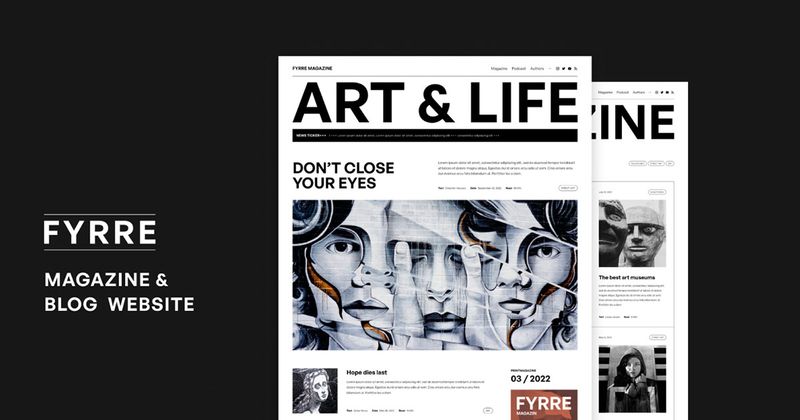
Astro 6 starter for magazines and blogs with Sanity CMS, i18n (EN/UA), PWA, and 99+/100 Lighthouse scores.
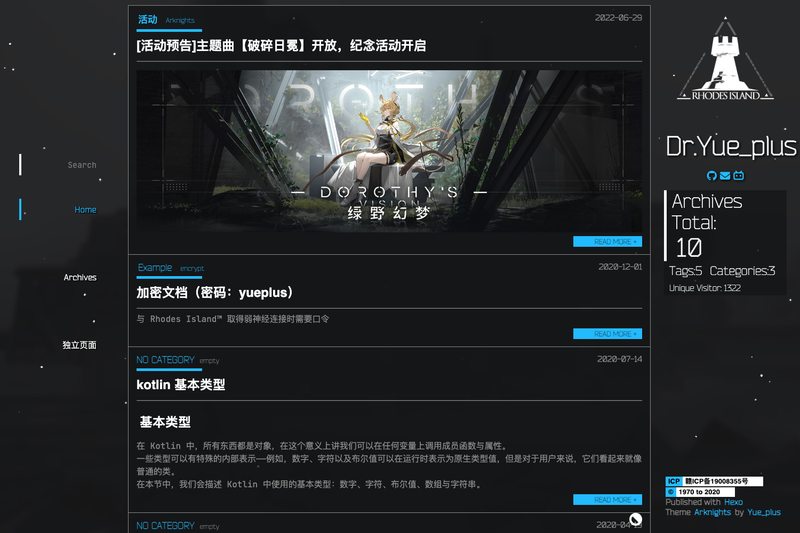
明日方舟罗德岛阵营的 Hexo 博客主题,支持数学公式、Mermaid 图表与六种评论系统。
Lotse is a minimalistic dark-mode blogging and portfolio template built with Next.js and TailwindCSS, designed for developers who want a fast, SEO-optimized personal site.
Lotse is an open-source, MIT-licensed template for building a personal blog and portfolio. It takes Markdown/MDX content files as input and produces a server-rendered Next.js site that can be deployed to Vercel or Netlify. The template is created by marpeand and hosted on GitHub, with a live demo at lotse.vercel.app. It uses Contentlayer to compile MDX content, KaTeX for mathematics, and is built around a single dark background color that you configure in blog.config.js.
The quick start guide in the repository shows a simple workflow. First, fork the repo. Then edit blog.config.js with your site title, description, base URL, and colors. Replace the favicon. Write your about content in content/about.mdx. Finally, import the repository to Vercel or Netlify and deploy. Posts and projects are created by adding MDX files to the corresponding content directories.
Yes. The template is open source under the MIT License, so you can use it for personal or commercial projects without cost.
No, not for basic use. You can create posts and projects by writing Markdown/MDX files and editing blog.config.js, which is a plain JavaScript object. Customizing the design further would require some React knowledge.
Yes. Since the site is a standard Next.js app, you can add a custom domain in your Vercel or Netlify dashboard after deployment.
No. The template is dark mode only, using a single configurable background color (default #1a1a1a). There is no built-in light mode toggle.
Lotse integrates KaTeX, so you can include LaTeX-style equations in your MDX files. The required fields for each post are title (in quotes), date in YYYY-MM-DD format, and draft set to true or false.