Newsletter
Join the Community
Subscribe to our newsletter for the latest news and updates

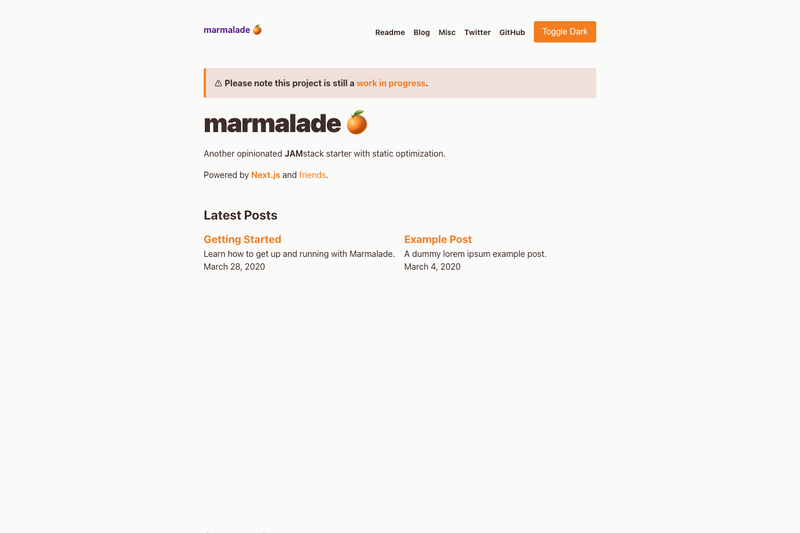
Another opinionated JAMstack static site starter (powered by Next.js)
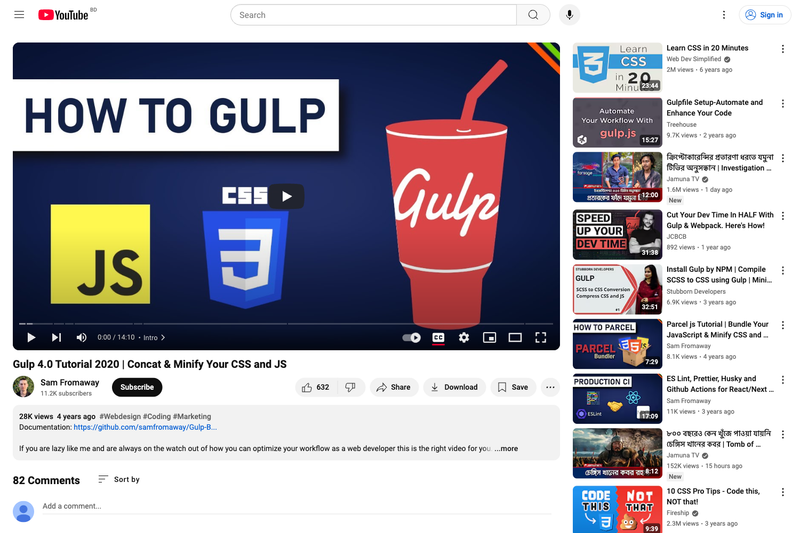
Gulp 4 boilerplate that automates HTML, CSS, and JavaScript build tasks for static websites.
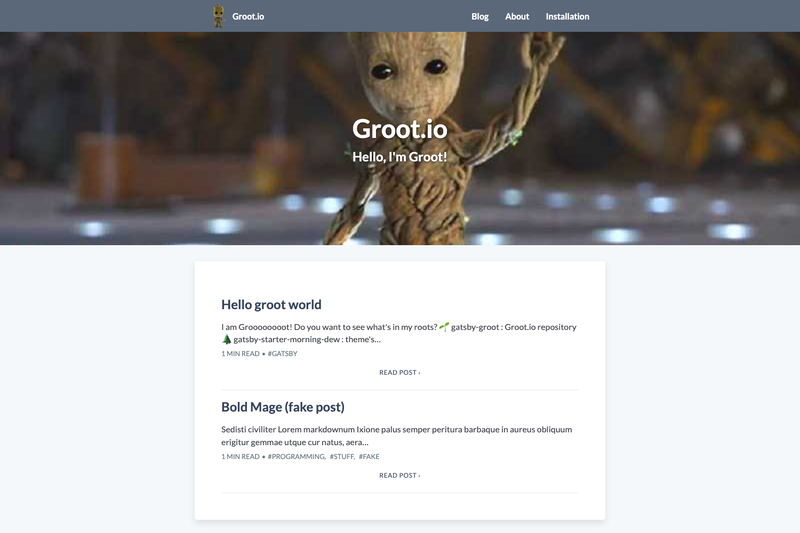
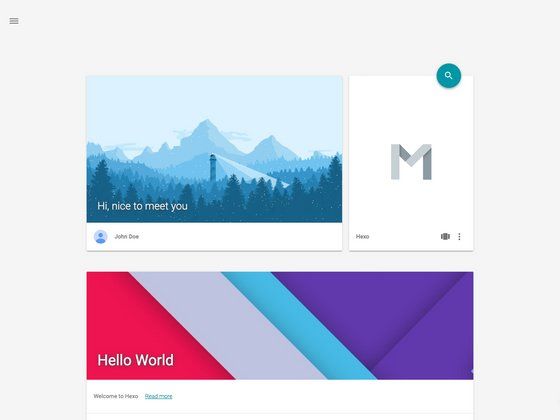
Sample site using the gatsby-starter-morning-dew Gatsby theme for building lightning-fast websites.
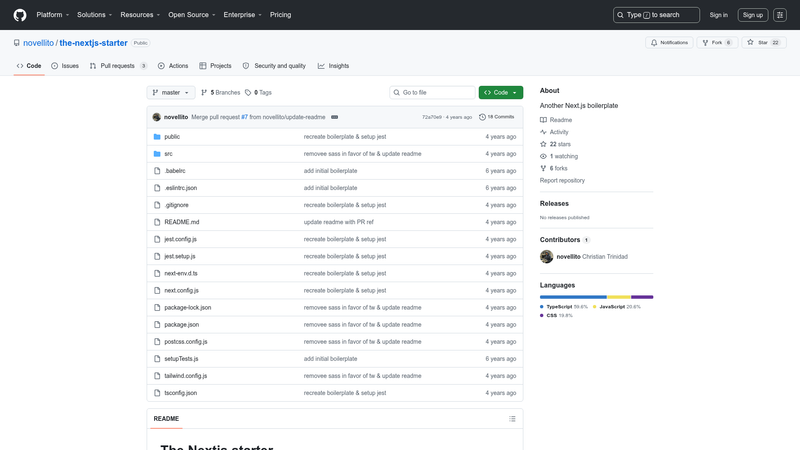
A Next.js boilerplate with TypeScript, styled-components, Tailwind CSS, and react-testing-library preconfigured.
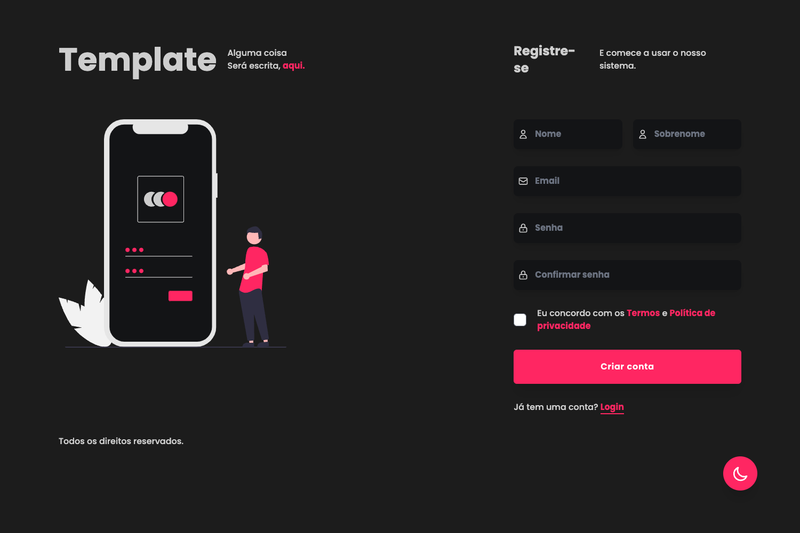
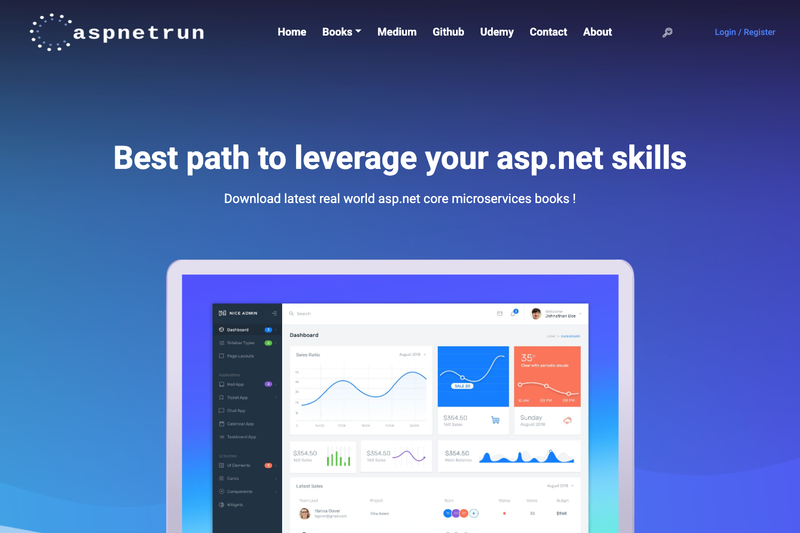
Login and signup template with dark theme and animations, built with Next.js, Tailwind CSS, and Framer Motion.
Marmalade is an opinionated JAMstack static site starter built on Next.js that generates a fully static blog or personal site with MDX, TypeScript, and Theme UI. It offers static export, multiple content directories, tagging, and RSS generation out of the box.
Marmalade is a JAMstack starter template that combines Next.js static export with MDX content, TypeScript, and Theme UI styling. It takes Markdown and MDX files as input and produces a static website with generated RSS feeds, tag index pages, and a web app manifest, ready to deploy to Netlify or any static host. The project is maintained by the developer behind joebell.co.uk and published as an open-source GitHub repository.
The author created Marmalade to push themselves out of their comfort zone and understand what goes on behind the scenes of tools like Gatsby. It reflects their personal preference for how to build front-end projects, and they encourage others to try new tools.
The author likes Gatsby and uses it for their personal site, but they wanted to explore Next.js's static export feature to see what happens behind the scenes. Marmalade was born from that exploration.
The author previously used SASS but now prefers CSS-in-JS because it allows them to use a theme schema to reinforce design tokens across the project, which feels cleaner and more maintainable to them.
Chakra UI is bound to the Styled System Theme Specification and Emotion, so it was not compatible with the author's goals for this starter. They chose Theme UI instead because it is framework-agnostic and fits the design-token approach.