Newsletter
Join the Community
Subscribe to our newsletter for the latest news and updates

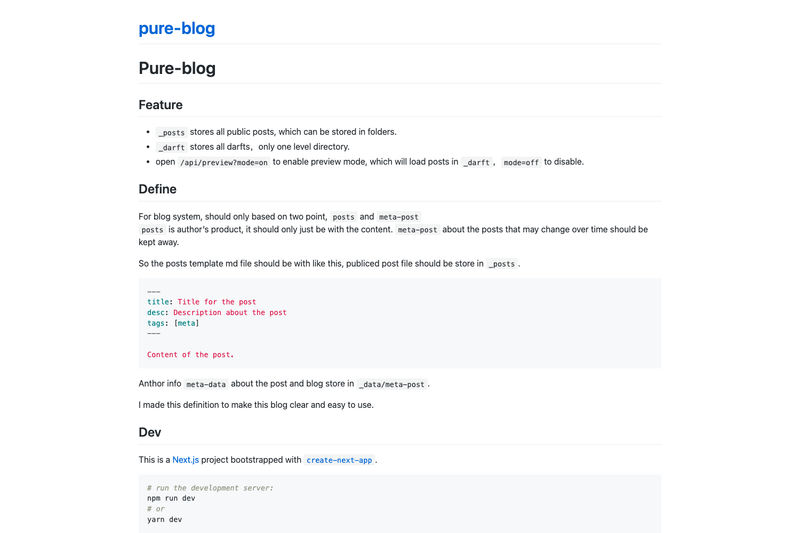
Blog template using Next.JS, TailwindCSS, and Markdown
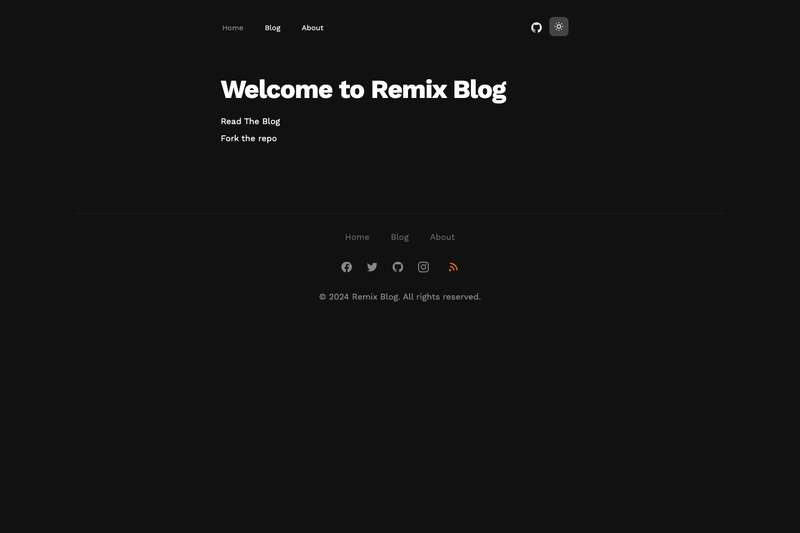
Remix stack for a static MDX blog that is quick to set up and customize
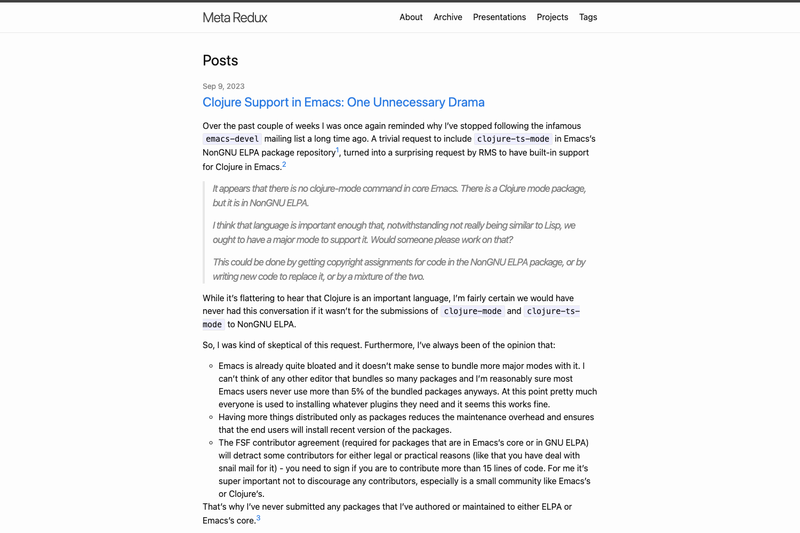
Source code for a Jekyll-powered personal tech blog hosted on GitHub Pages, open for community contributions.
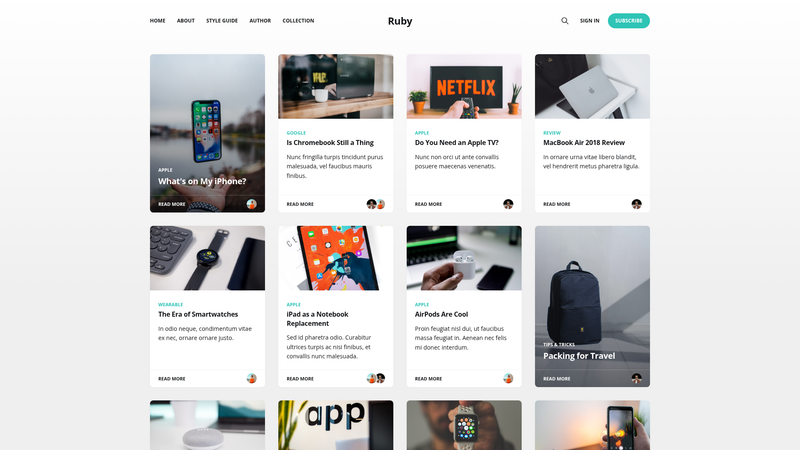
A multi-column theme with a unique card layout for Ghost
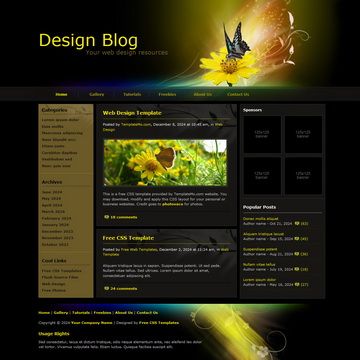
Design Blog Template, beautiful butterfly on a flower, yellow and black color theme
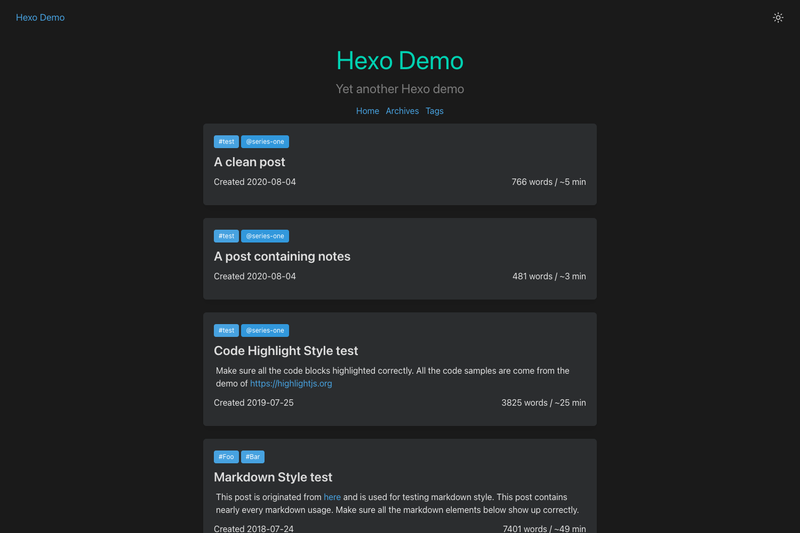
A simple, awakening and sass-based Hexo theme.
Netam is a blog template that pairs the Next.js React framework, Tailwind CSS, and Markdown files — the exact stack encoded in its name (Ne for Next.js, Ta for TailwindCSS, M for Markdown) — so developers can publish a blog from plain-text Markdown posts. The project is distributed as a public GitHub repository tagged with blog, markdown, nextjs, nextjs-markdown-tailwind-blog, nextjs-template, and tailwindcss topics.
Netam (short for Next.js + TailwindCSS + Markdown Blog) is a blog starter template built on Next.js, a React-based web framework, with styling handled by Tailwind CSS utility classes and content authored in Markdown files. It takes Markdown as the input format for blog posts and produces a framework-rendered blog website as output. The template is hosted on GitHub as a public repository whose description reads "Blog template using Next.JS | TailwindCSS | Markdown" and whose topics specify both the technology stack and the intended use case.