Newsletter
Join the Community
Subscribe to our newsletter for the latest news and updates

Open-source blog starter with Next.js SSR, Firebase Firestore storage, and a React-based CMS protected by Google Auth.
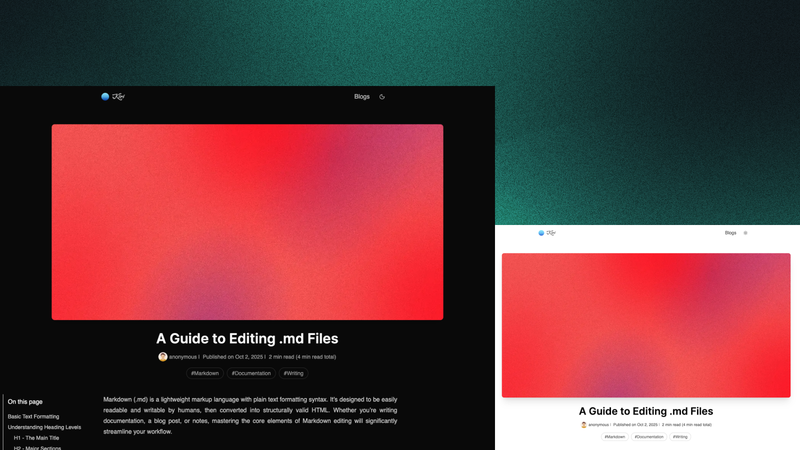
Minimalistic personal blogging space built with Astro and Tailwind CSS, with light/dark mode, RSS, and accessibility features.
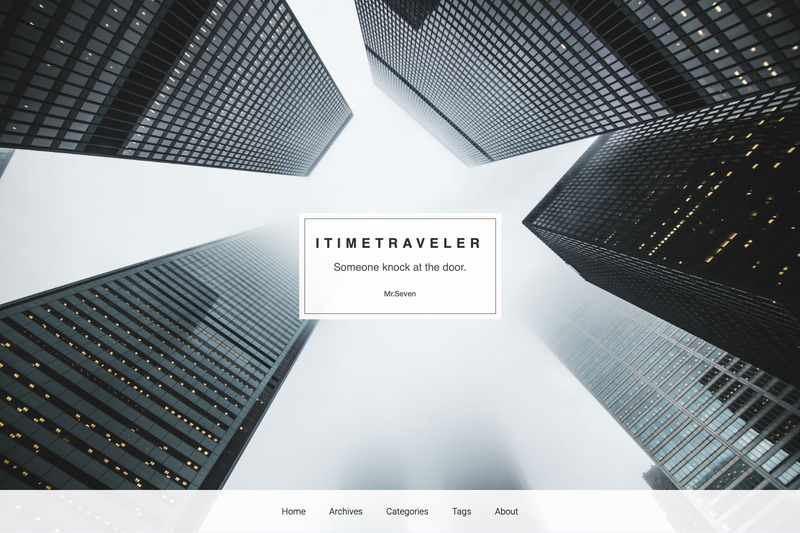
An attractive theme for Hexo called Hiker, short for HikerNews.
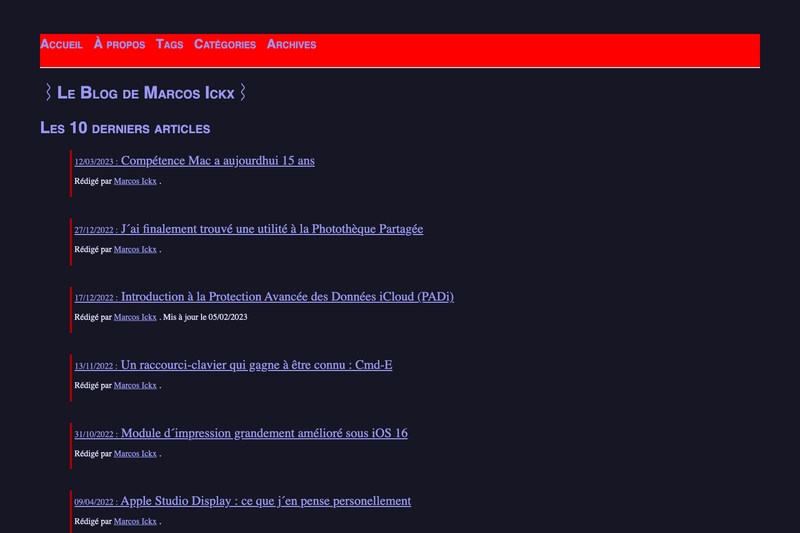
Repository used to preview future blog posts and test changes for blog.marcosx.net without breaking the live site.
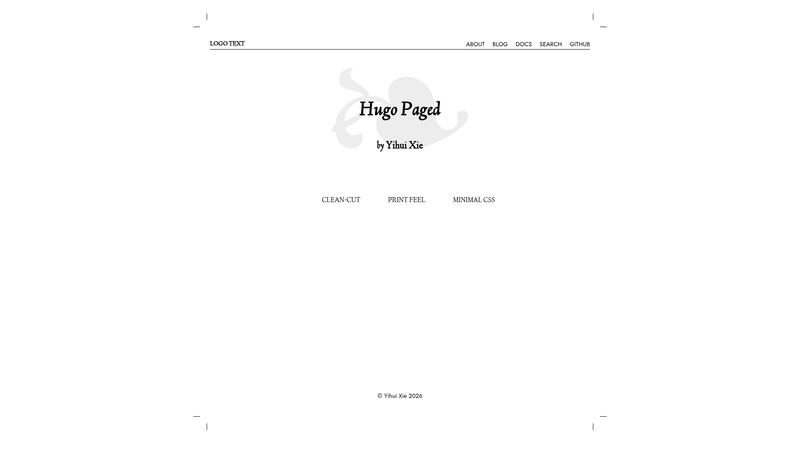
A Hugo theme that gives websites the look of printed media, inspired by paged.js.
Next Blog Firestore is an open-source blog boilerplate that combines Next.js server-side rendering with Firebase Firestore for storage and a custom React-based CMS for writing and publishing.
Next Blog Firestore is a starter template for building a blog on top of Next.js, Firebase Firestore, and Firebase Auth, created by Alexander Suevalov and licensed under MIT. It takes a Firebase project configuration (project ID, auth domain, API key) and a seed script that populates Firestore, and produces a server-rendered blog with posts, authors, tags, categories, and an admin interface at /admin. The template runs on Node.js via Next.js and is designed to be cloned and extended.
Developers who want a ready-made Next.js and Firebase blog architecture can clone the repo and use it as a starting point. Bloggers who need a custom CMS without hosted service fees benefit from the included admin panel and Google Auth. Teams running a publication with multiple authors and languages can use the built-in author mapping and i18n configuration.
The README walks through a multi-step Firebase setup: create a Firebase project, enable Google authentication, create a Firestore database, publish the provided .firebase-rules file, add environment variables to .env (F_PROJECT_ID, F_AUTH_DOMAIN, F_API_KEY), generate a Firebase Admin service key as firebase-service-key.json, run yarn run seed to populate initial data, manually create the required Firestore indexes, and then run yarn dev and sign in at http://localhost:3000/admin with a Google account to start writing.
Next Blog Firestore is free and open source under the MIT License.
Follow the steps in the README: create a Firebase account, enable Google authentication, create a Firestore database, and paste the provided .firebase-rules file. Then copy your project ID, auth domain, and Web API key into a .env file.
Get the user UID from the Firebase Authentication section, create an authors collection in Firestore, and add a record whose document ID is that UID. Set the name field to the author id from config.js.
Yes. The template includes multi-language support, and the configuration lives in config.js. It is designed for blogs that publish content in more than one language.
The project is licensed under the MIT License, copyright 2018-present Alexander Suevalov.