Newsletter
Join the Community
Subscribe to our newsletter for the latest news and updates

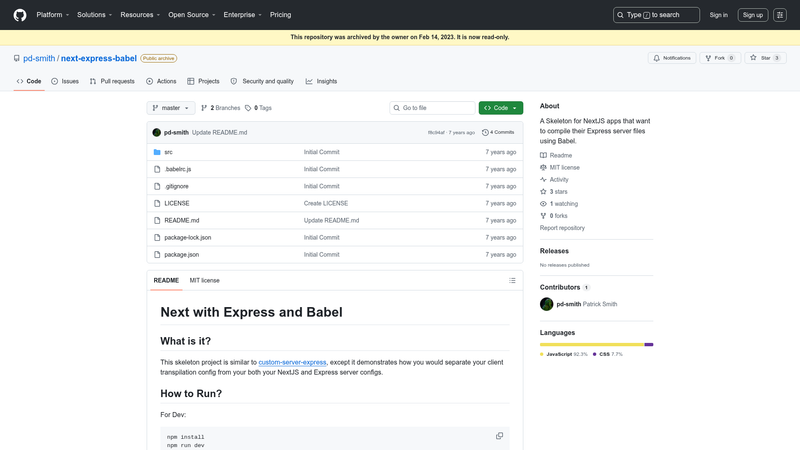
A skeleton project for Next.js apps that compile Express server files using Babel, with separate client and server configs.

Landing page kit built with React, Shadcn/ui and Tailwind that you can copy/paste into your project.
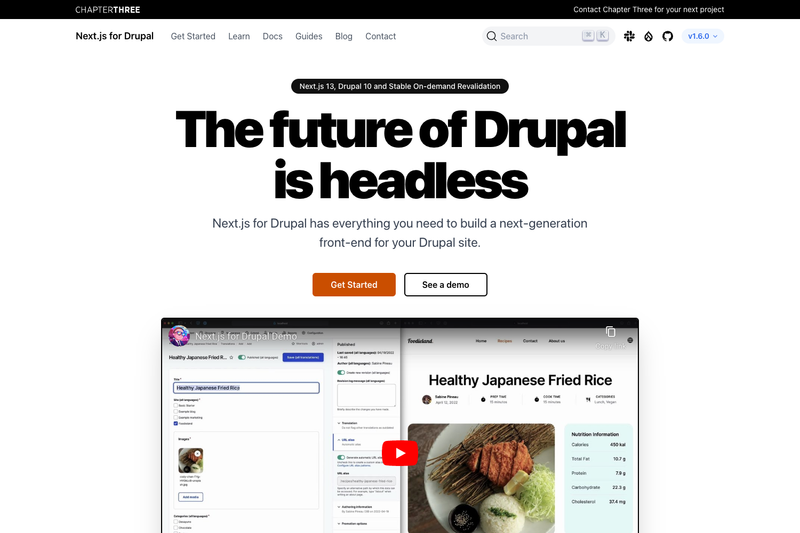
A simple starter for building your site with Next.js and Drupal.

Boilerplate using Prismic, Gatsby, React and Netlify.

A minimal, clean, responsive Gatsby starter that scaffolds a new static site with React and JavaScript, ready to deploy to Netlify.
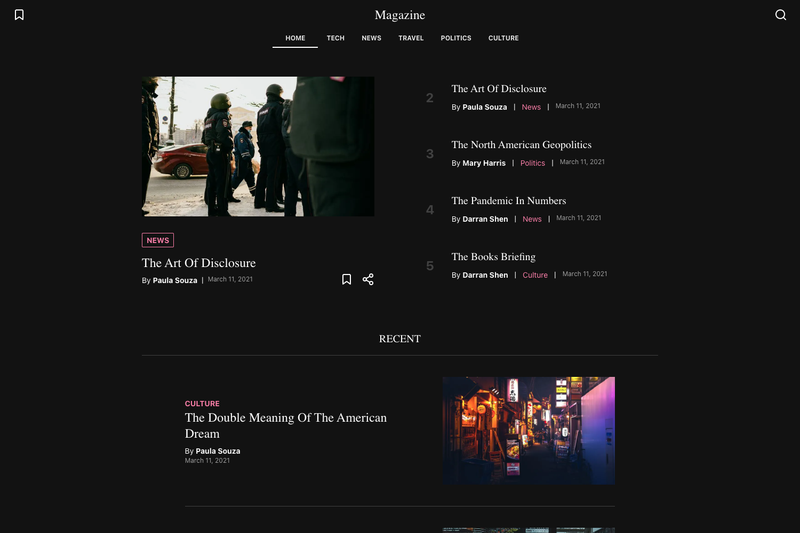
Strapi Next.js digital magazine starter kit with PWA, offline reading, and preview mode.
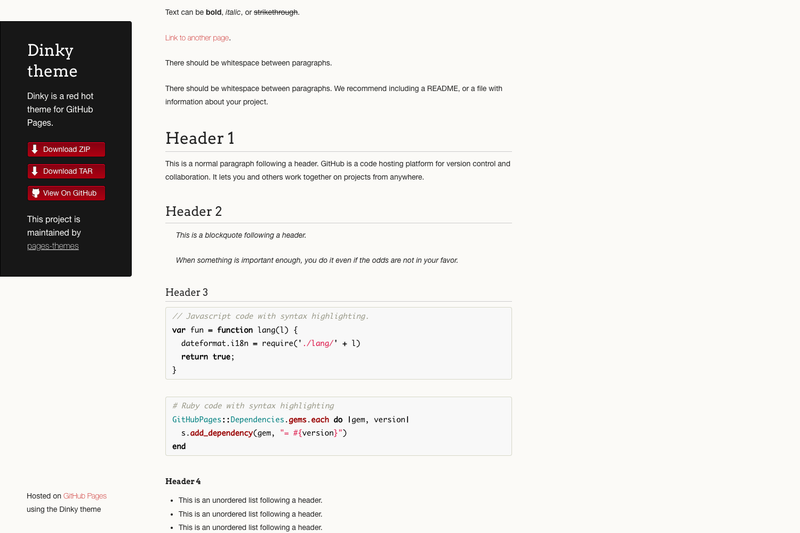
A minimal Jekyll theme for GitHub Pages with configurable title, downloads, and Google Analytics.
Next with Express and Babel is a boilerplate skeleton for Next.js applications that use a custom Express server, with Babel transpiling the server-side files separately from the client configuration.
Next with Express and Babel is a minimal GitHub repository that provides a starting point for Next.js apps that need a custom Express server. It is similar to the official custom-server-express example but adds a separate Babel configuration for transpiling the Express server files, so the client and server transpilation settings are independent. The project runs on localhost:3000 and includes npm scripts for development, building, and starting the application.
The repository defines npm scripts that install dependencies, start the development environment, and build and launch a production version. For development, run npm install followed by npm run dev; for production, run npm install, then npm run build, then npm run start. The project defaults to localhost:3000.
Run npm install to install dependencies, then use npm run dev for development. For production, use npm run build followed by npm run start.
The README states that this skeleton demonstrates separating your client transpilation config from both the Next.js and Express server configs, whereas the official example does not split those configs.
The project defaults to live on localhost:3000.
It is a public GitHub repository, so it can be freely viewed and used.