Newsletter
Join the Community
Subscribe to our newsletter for the latest news and updates

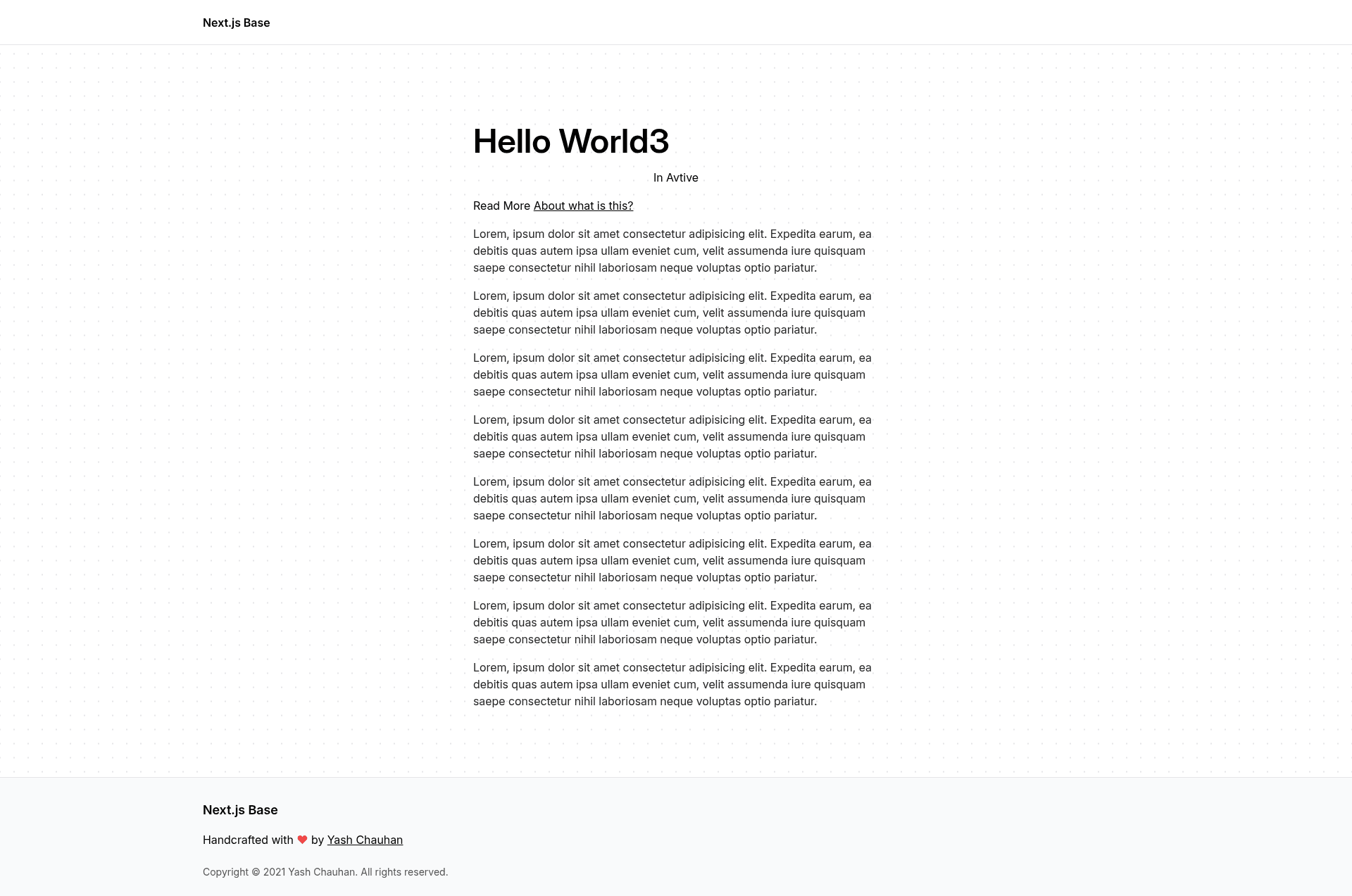
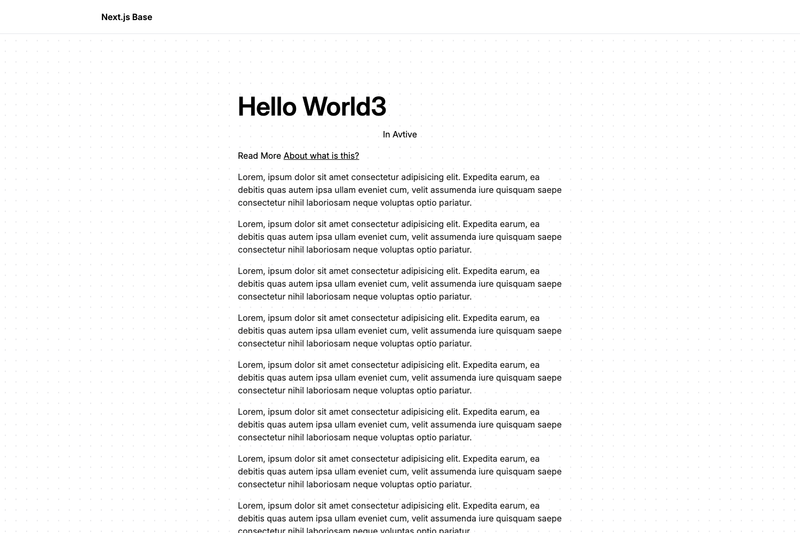
A minimal Next.js boilerplate with TypeScript, file-based routing, API routes, and Vercel deployment.

Vue 3 landing page starter project using Nuxt 3 and Vuetify 3 with SSR, dark mode, RTL, and 6 languages.
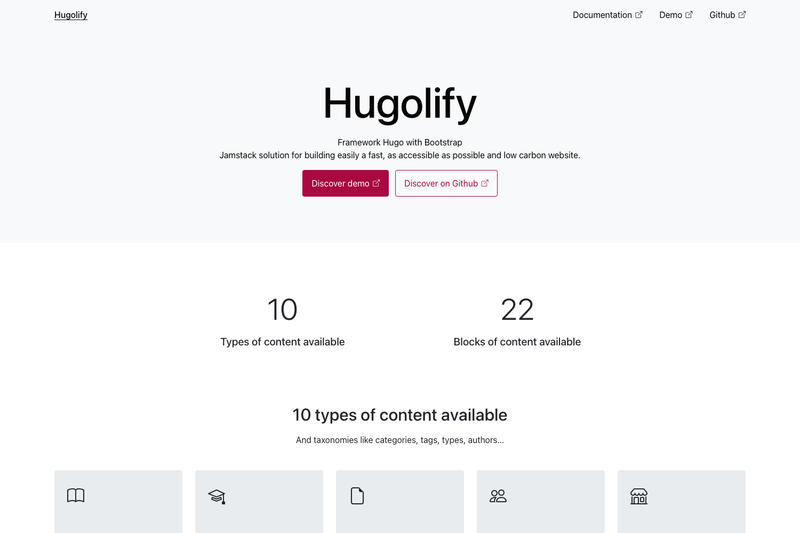
Hugo + Bootstrap + headless CMS (Decap, Pages, Static, Sveltia) GitHub template for fast, accessible, low-carbon websites.
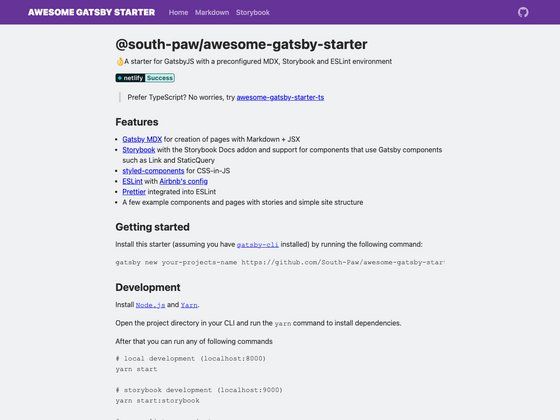
A Gatsby 4 starter with TypeScript, Chakra UI, ESLint, Prettier, and GitHub Actions for Netlify.
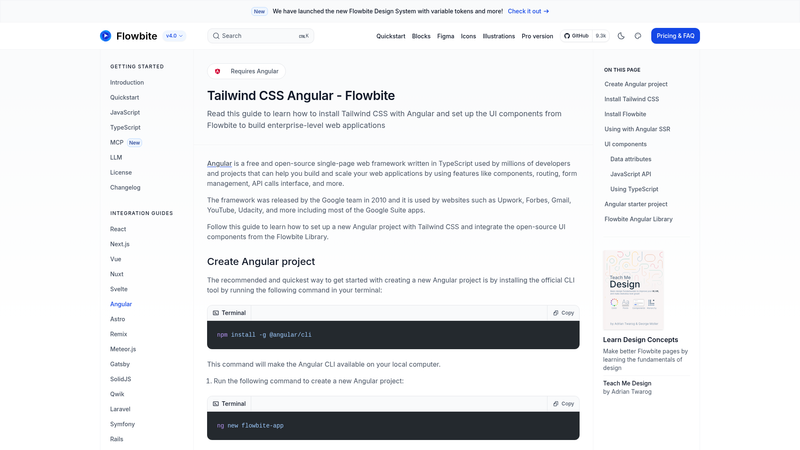
Free and open-source starter project to help you get started with Angular, Tailwind CSS and the Flowbite UI components
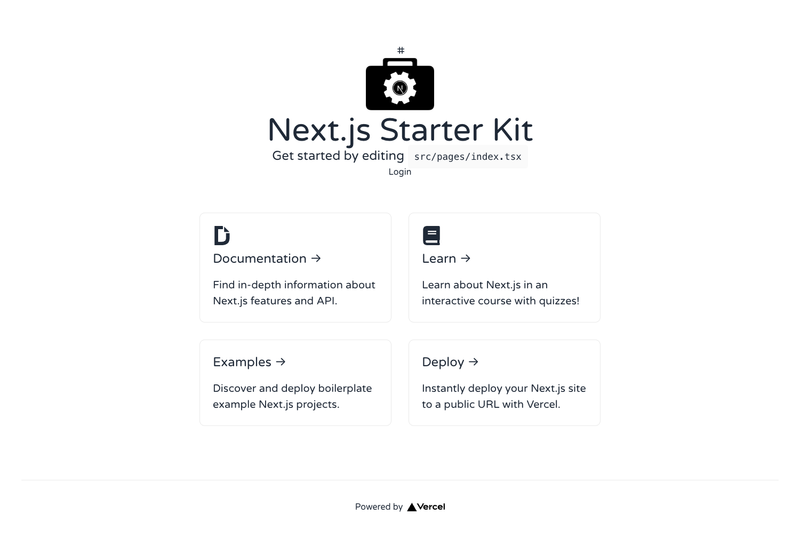
This is a Next.js starter project bootstrapped with create-next-app, the official scaffolding tool from Vercel. It provides a minimal React application with file-based routing, API routes, and TypeScript files already configured, ready to run locally or deploy to the Vercel platform.
The Next.js Starter is the default output of create-next-app, a command-line tool that generates a new Next.js project. It includes a pages directory for UI routes, a pages/api directory for backend endpoints, and TypeScript configuration (as seen in pages/index.tsx and pages/api/hello.ts). The project runs on Node.js and uses the Next.js framework. It produces a development server at http://localhost:3000 and can be built for production and deployed to Vercel.
npm run dev or yarn dev to start the local server.Developers who want to start a new Next.js project without manually configuring Webpack, Babel, or routing. Teams building React applications that need server-side rendering or static generation can use this as a foundation. Learners following the Next.js documentation or Learn Next.js tutorial can use the starter as a sandbox for experimenting with pages and API routes.
The README documents a simple workflow: start the development server with npm run dev or yarn dev, open http://localhost:3000, then edit files like pages/index.tsx. The server auto-updates on changes. API routes in pages/api are served on the same port. For production, the README recommends deploying through the Vercel Platform, which integrates directly with Next.js.
Use either npm run dev or yarn dev from the project root, then open http://localhost:3000 with your browser to see the result.
The home page is defined in pages/index.tsx. Edits to that file auto-update the page in the browser while the dev server is running.
Create a new file in the pages/api directory, such as pages/api/hello.ts. It becomes accessible at /api/hello and can export a function to handle requests.
The README says the easiest way to deploy is the Vercel Platform, which is built by the creators of Next.js. It links to the deployment documentation for more details.