Newsletter
Join the Community
Subscribe to our newsletter for the latest news and updates

A minimalist Hugo theme for writers and bloggers, featuring responsive design, KaTeX math, syntax highlighting, and social links.
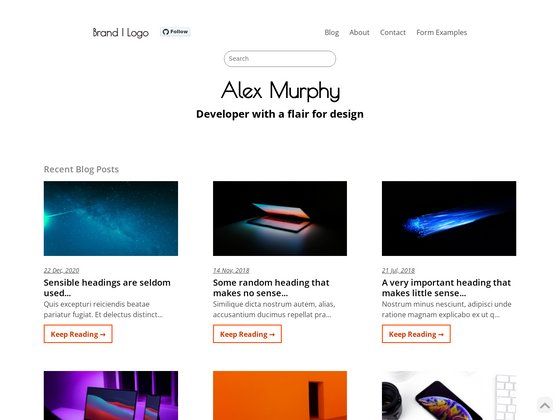
Fully-responsive Gatsby blog template with Netlify CMS, tags, Fuse.js search, and Disqus comments.
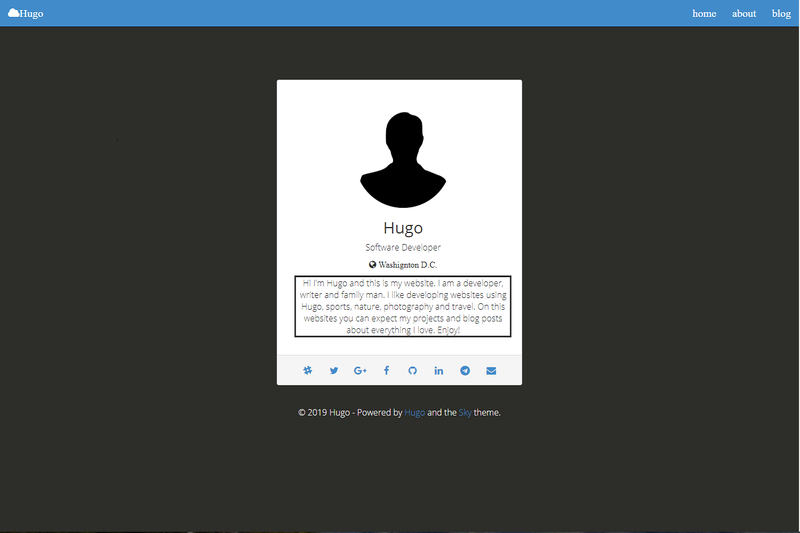
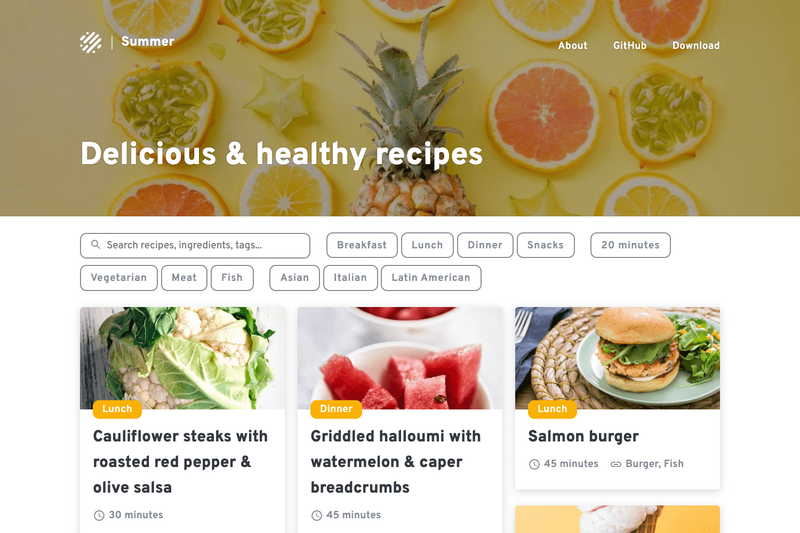
A simple, minimal Hugo theme built with Bootstrap, featuring a profile, social links, menus, and Disqus comments.
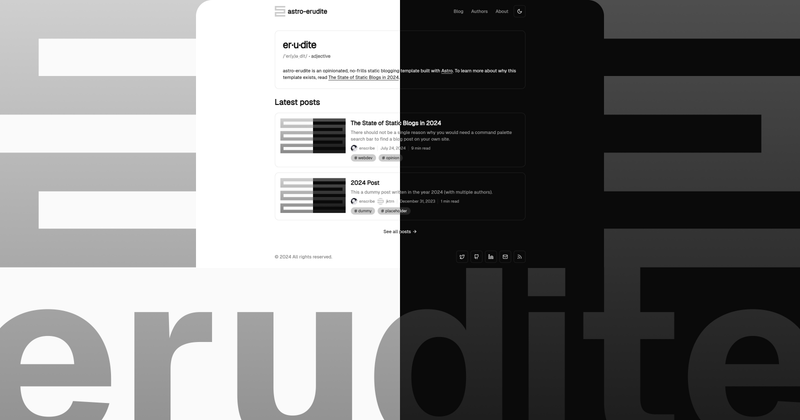
An opinionated, unstyled static blogging template built with Astro and native CSS.
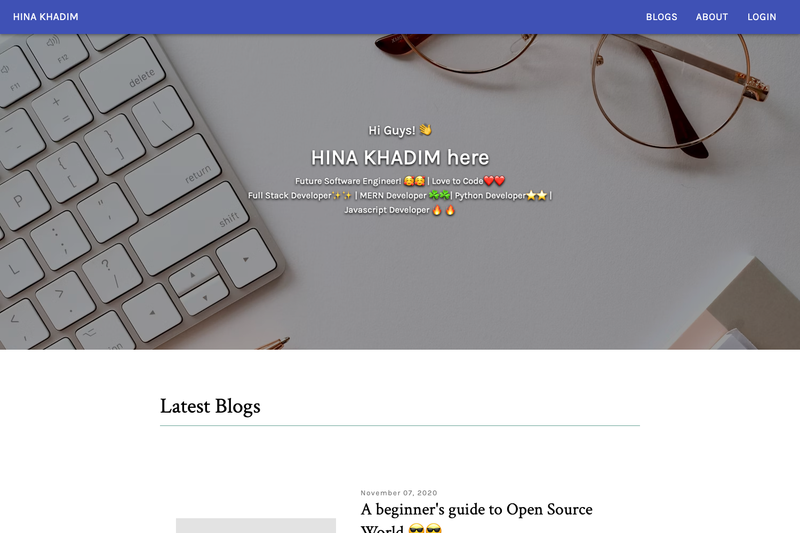
A Gatsby blog starter with Contentful CMS, Firebase authentication, Material UI, and GraphQL, hosted on Netlify.
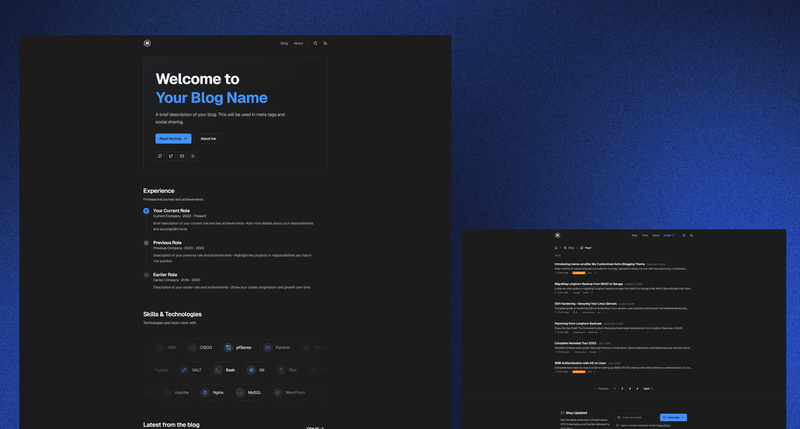
Noteworthy is a minimalist Hugo theme for writers and bloggers that turns Markdown content into a fully responsive static site.
Noteworthy is a minimalist Hugo theme for writers and bloggers, created by kimcc and released under the MIT License. It takes Markdown-based content organized in Hugo page bundles and produces a lightweight, fully responsive static site with RSS feeds, social media links, and optional Disqus comments. The theme is built on the Hugo static site generator and uses SCSS for styling, with zero build-time dependencies beyond Hugo itself.
config.toml file to enable tracking and comments.enableKofi = true and adding your Ko-fi ID in the config.showReadMore = true to show a "read more" link on truncated post excerpts.params section.config.toml file.resize-image shortcode with Hugo page bundles to include optimized images with captions.Installation is a two-step process: clone the theme repository into your Hugo site's themes directory, then reference it in your site configuration. To use the resize-image shortcode, create a Hugo post bundle by placing your Markdown file (renamed index.md) and images in a folder; the shortcode then outputs an <img> tag with the caption. All other features are controlled through the config.toml file's params section.
Yes, Noteworthy is open source and released under the MIT License, so you can use, modify, and distribute it freely, including for commercial projects.
Noteworthy uses no mandatory JavaScript for its core layout; Disqus, Google Analytics, and KaTeX load conditionally when you configure them. Syntax highlighting is done server-side by Hugo.
Set enableKofi = true in your config and add your Ko-fi identifier to the kofi parameter. The button will then appear on your posts.
Yes, the config file lists all supported social links; delete the lines for the platforms you don't want and their icons disappear from the site.
Yes, it integrates KaTeX, so you can write inline and display math in Markdown and have it rendered in the browser.