Newsletter
Join the Community
Subscribe to our newsletter for the latest news and updates

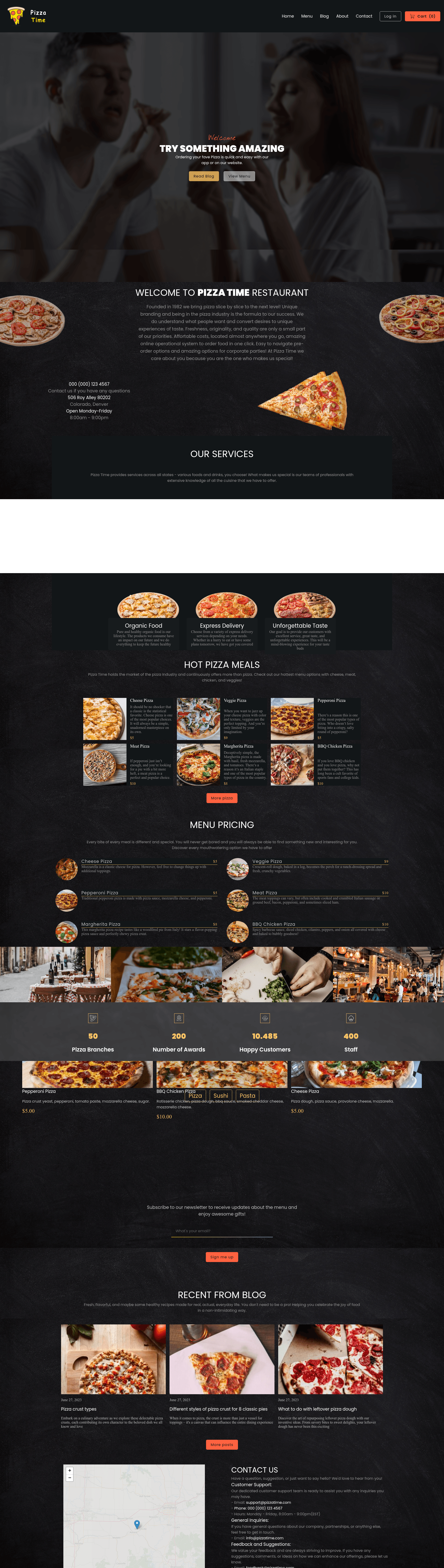
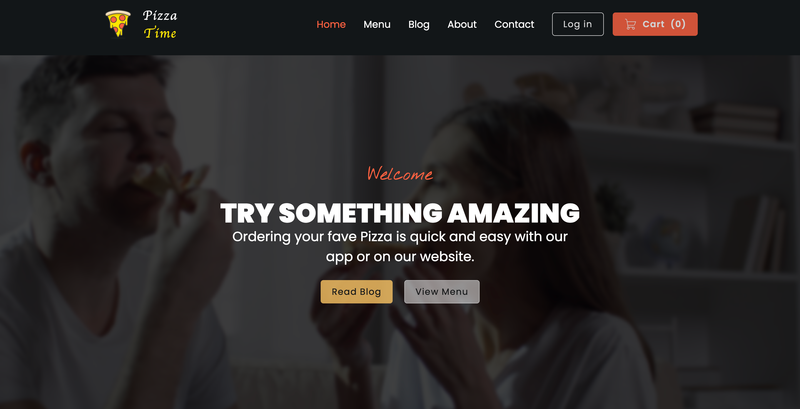
Pizza Time: a full-stack food ordering platform for the gastronomy industry using React, Express.js, and Turso (libSQL).
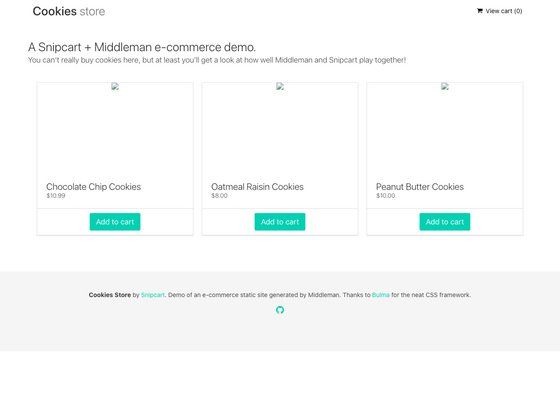
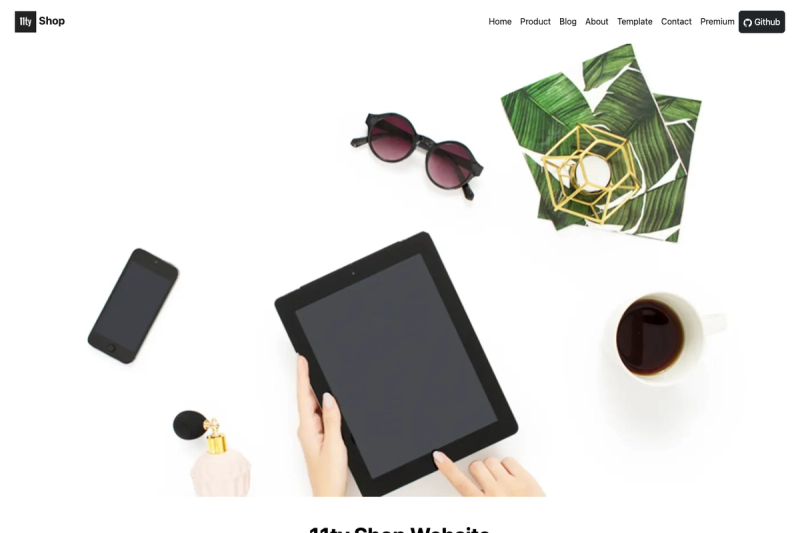
Demo code for an e-commerce static site with Snipcart & Middleman.

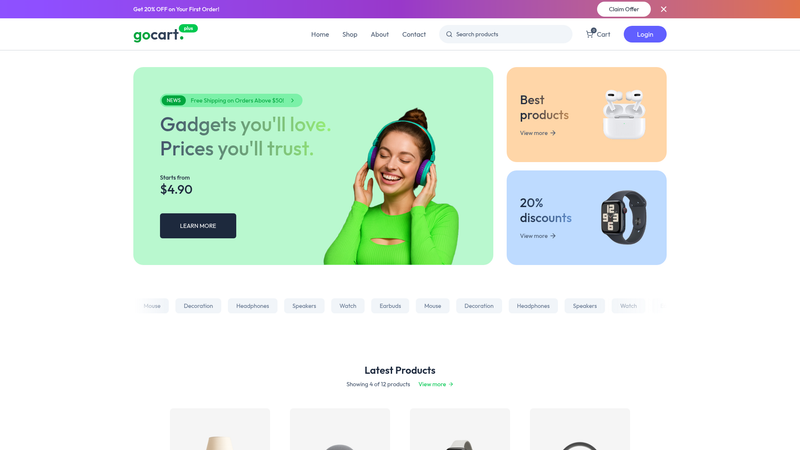
Next.js Commerce is an ecommerce storefront template built with React, Recoil, and Tailwind CSS, ready to deploy on Vercel.
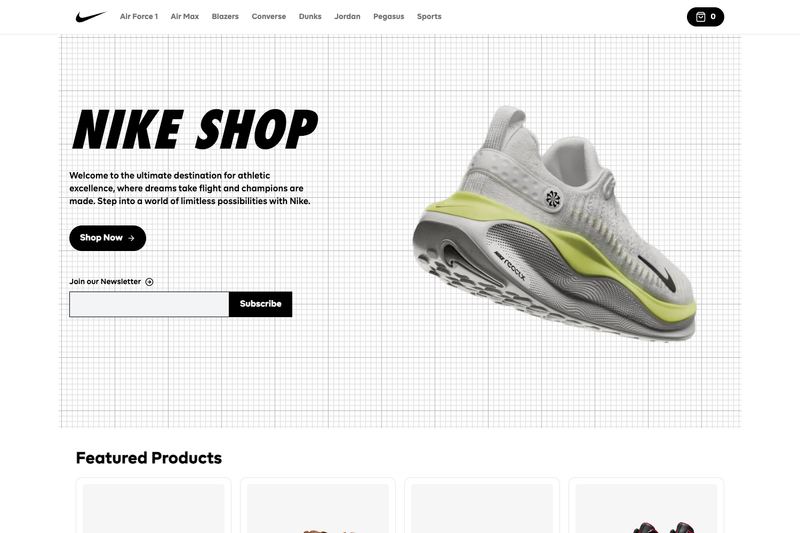
Fullstack Next.js e-commerce store with Stripe payments, cart, and admin dashboard.
Pizza Time is a full-stack food ordering platform template for the gastronomy industry, built with React, Express.js, and Turso (libSQL), that demonstrates a complete restaurant ordering flow from menu browsing to authenticated checkout.
Pizza Time is an open-source web application template that simulates a fictional restaurant offering pizzas, sushi, and pasta. It takes user interactions like browsing menu items, adding them to a cart, and registering an account, and produces a responsive ordering experience backed by an Express.js API and a Turso (libSQL) database. The project was designed and built by developer catherineisonline as a portfolio piece to practice full-stack development, and is available on GitHub under the MIT License with a live demo deployed on Vercel.
To run the project, clone the repository, install dependencies with pnpm install, and set up two .env files — one in the backend folder for TURSO_DB_URL, TURSO_DB_TOKEN, JWT_SECRET, JWT_EXPIRES_IN, and CAPTCHA_SECRET, and one in the src folder for VITE_* API routes and the CAPTCHA key. The frontend runs on a Vite dev server and the Express backend can be hosted locally or deployed to Vercel; the project notes that the backend may be shared with other projects and includes an unused shortener route.
Yes, the project is released under the MIT License, so you are free to use, modify, and distribute it for your own purposes. The author does not accept pull requests but welcomes suggestions in GitHub discussions.
The template uses Turso, a libSQL/SQLite-compatible database, and the setup requires a Turso database URL and token. However, the README notes that any SQL database can be adapted by changing the connection configuration in the backend folder.
For the backend you need TURSO_DB_URL, TURSO_DB_TOKEN, JWT_SECRET, JWT_EXPIRES_IN (set to 1 day in the example), and CAPTCHA_SECRET. For the frontend you need VITE_USERS_URL, VITE_LOGIN_URL, VITE_AUTH_URL, VITE_LOGOUT_URL, VITE_UPDATE_URL, VITE_CAPTCHA_URL, and VITE_CAPTCHA_KEY.
Yes, the user story explicitly states that users can add items to the cart even when they are not logged in or registered. Authentication is only required for user-specific features like profiles and payments.