Newsletter
Join the Community
Subscribe to our newsletter for the latest news and updates

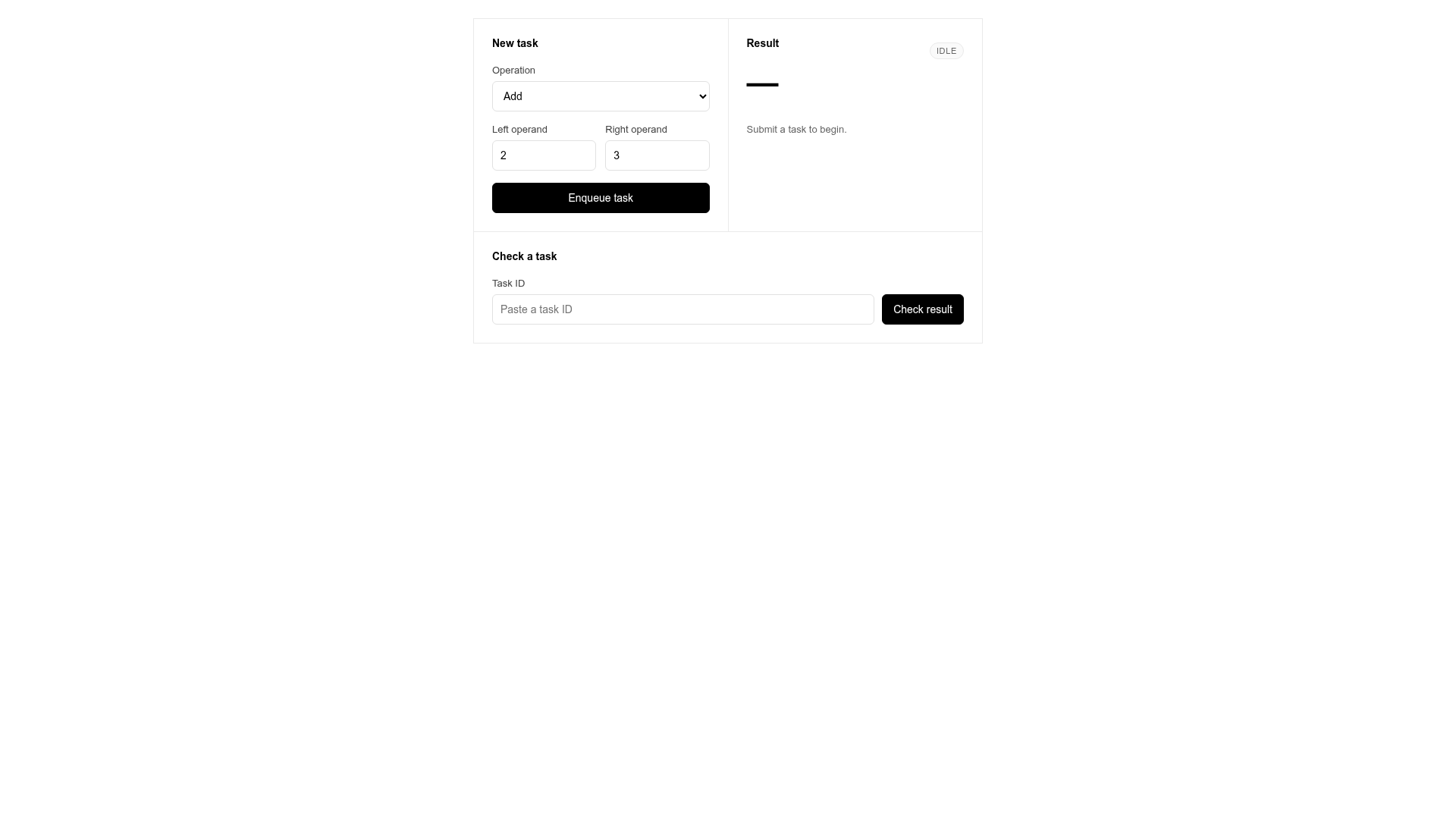
Deploy Python background tasks using Vercel Queues. FastAPI example with queue subscribers and Runtime Cache.
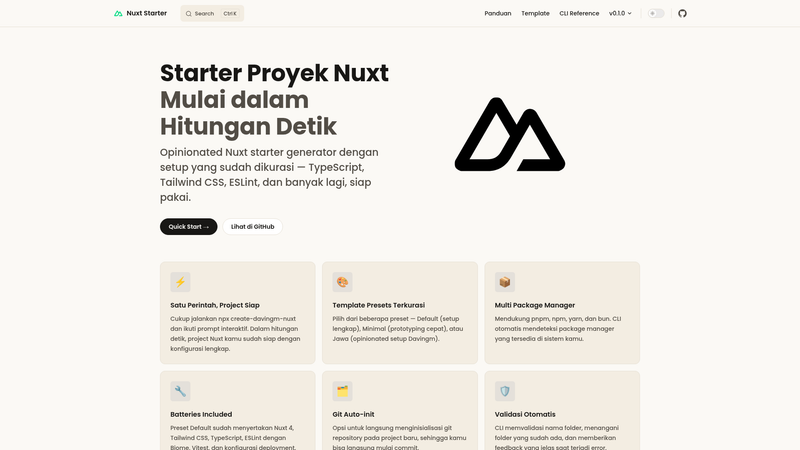
CLI generator that scaffolds opinionated Nuxt projects with curated structure, ESLint, TypeScript, Tailwind CSS, Vitest, and deployment config.
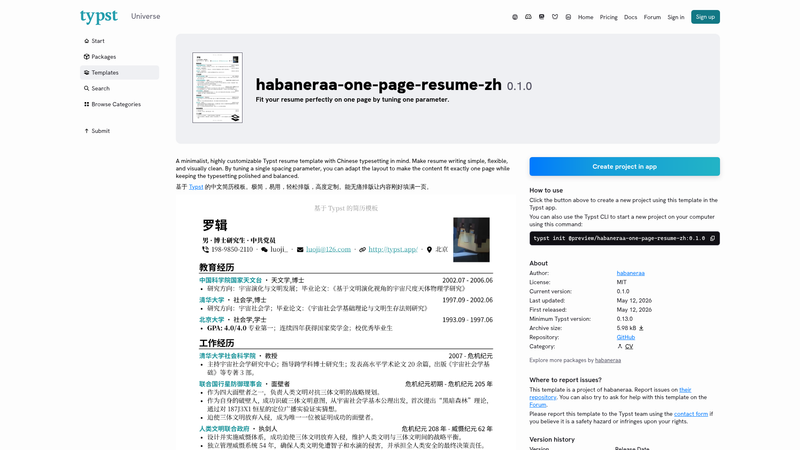
A minimalistic resume template based on Typst. Fit your content perfectly on one page by tuning just one parameter. 中文简历模板
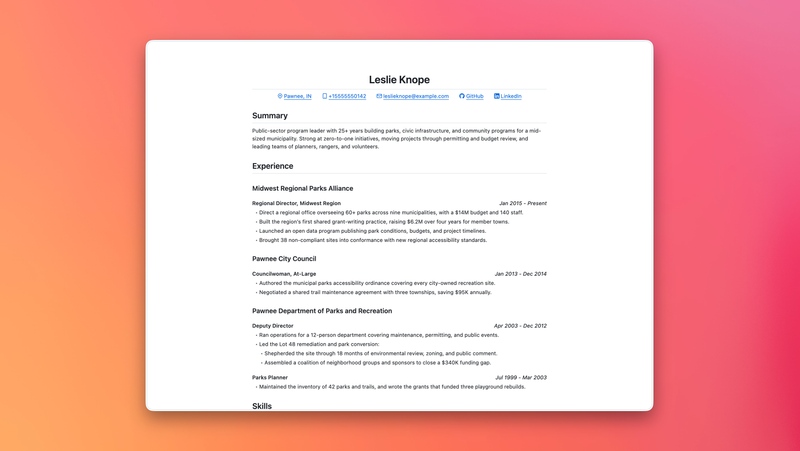
A minimal print-friendly resume template with GitHub Markdown-inspired styling and built-in PDF export.
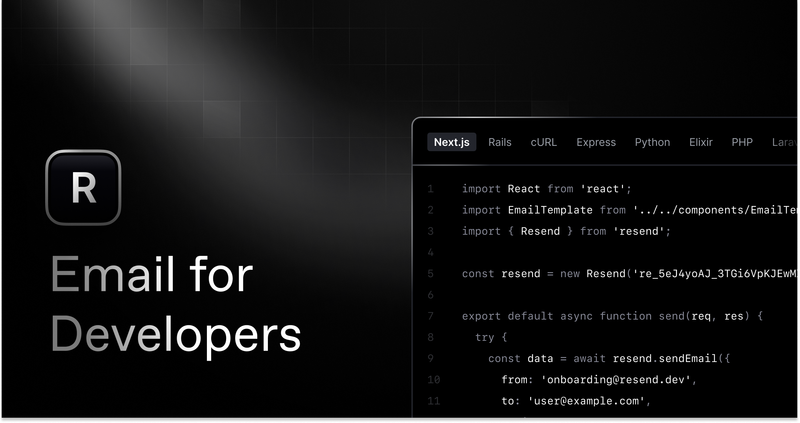
Get started creating emails with React and Resend in combination with Vercel Functions.

A persisted Next.js chat template for eve, built with shadcn/ui, Tailwind CSS, Streamdown, Better Auth, Drizzle, and Neon.
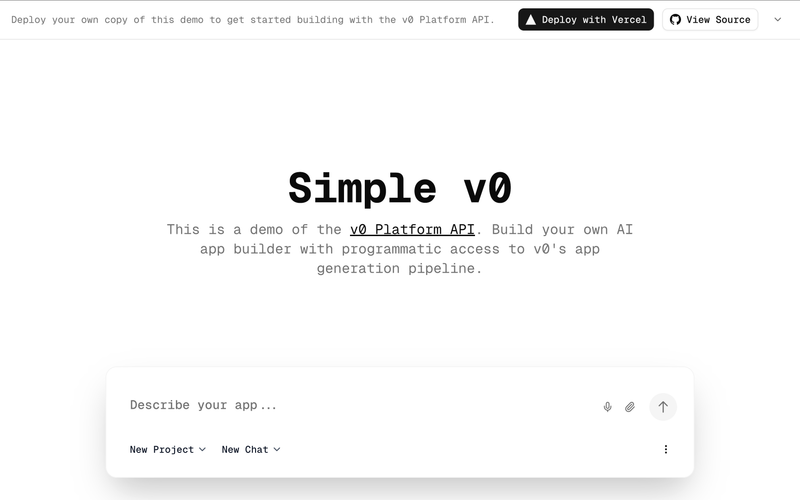
A minimal Bun-based SDK and demo for the v0 Platform API with sync and streaming examples.
Python Queue Subscribers + Vercel is a boilerplate example from the official Vercel examples repository that demonstrates how to build Python background workers with Vercel Queues, using FastAPI for the web layer and sharing task results through Vercel Runtime Cache.
Python Queue Subscribers + Vercel is a runnable example application that shows how to implement queue subscribers in Python on the Vercel platform. It accepts HTTP requests from a dashboard, publishes addition and multiplication tasks with vercel.queue.send, processes those tasks in subscribers defined in tasks.py, and stores the results in SQLite during local development or Vercel Runtime Cache when deployed. The project lives in the Vercel examples GitHub repository under python/queue-subscribers and is maintained by Vercel.
This example stands out because it combines several Vercel-specific services in a small Python application:
add and multiply topics via vercel.queue.send.pyproject.toml points the queue subscriber to tasks.py, where decorated handlers process messages.python-queue-subscribers.labs.vercel.dev.Python developers who want to learn how to use Vercel Queues with a real codebase will find this example useful. It's also suited for teams building serverless background-job systems who need a reference implementation with FastAPI. Finally, Vercel users who want to understand Runtime Cache and queue-based task processing can study this minimal but complete starter.
tasks.py consume them from add and multiply topics.vercel dev, and the app is available at http://localhost:3000.tasks.py to process other types of background work.The dashboard sends requests to the FastAPI app, which calls vercel.queue.send to publish jobs to the add and multiply topics. The subscriber process, configured in pyproject.toml and implemented in tasks.py, receives each message and executes the corresponding handler. Task results are written to SQLite during local development or Vercel Runtime Cache in production, and the dashboard polls until results appear.
Install the Vercel CLI with npm i -g vercel, then run vercel dev in the project directory. The application will be available at http://localhost:3000.
Yes, the repository includes a one-click deploy button that clones the python/queue-subscribers example into your Vercel project, sets a demo URL, and deploys it.
Vercel Runtime Cache is a lightweight caching mechanism provided by Vercel to share data between serverless function invocations. In this example it stores the results of processed queue tasks when the app is deployed.
The example uses FastAPI, a modern web framework for Python. It is not tied to any frontend framework; the dashboard is a simple HTML page.
The example defines two topics: add for addition tasks and multiply for multiplication tasks. Each topic has a corresponding handler in tasks.py that processes the published messages.