Newsletter
Join the Community
Subscribe to our newsletter for the latest news and updates

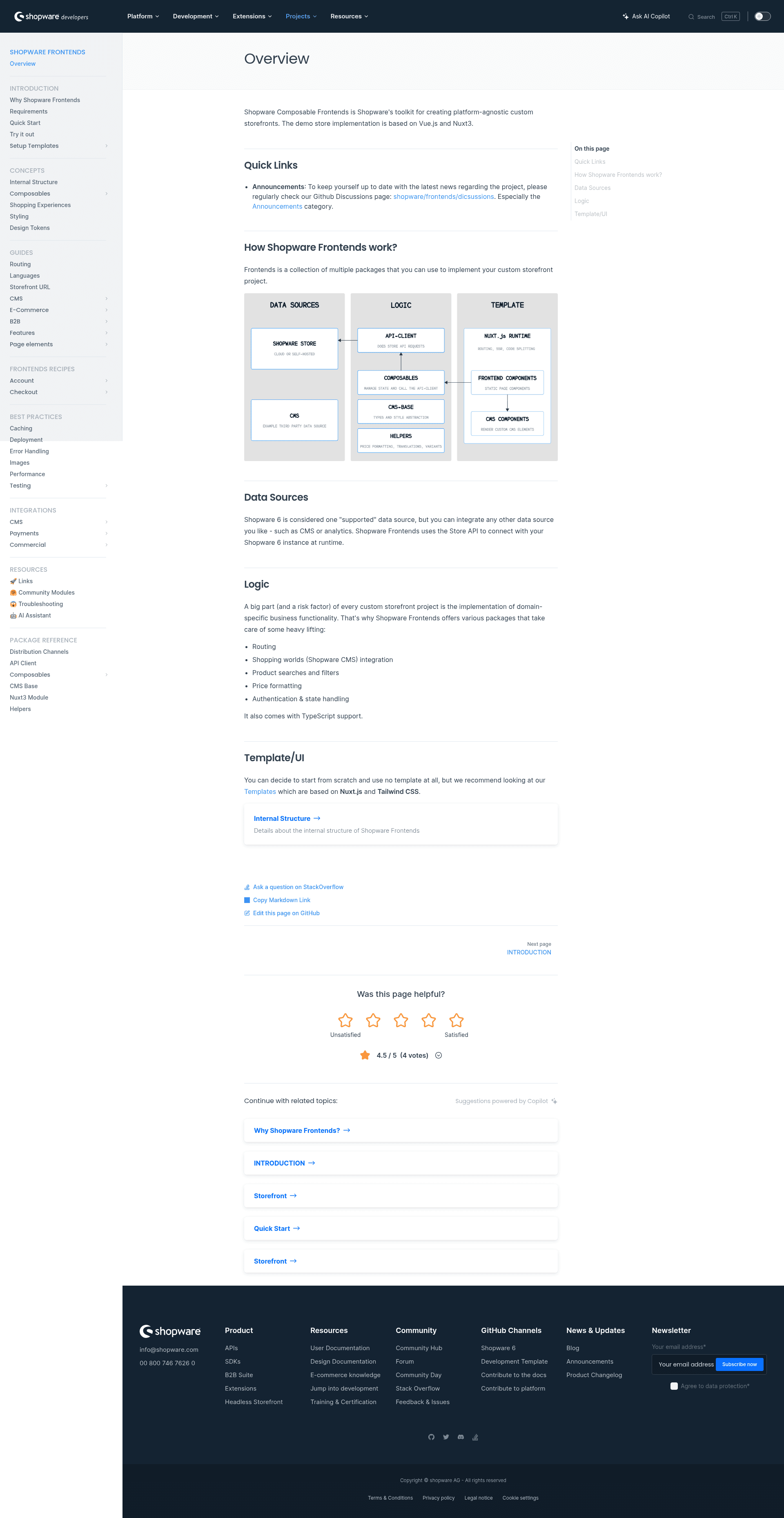
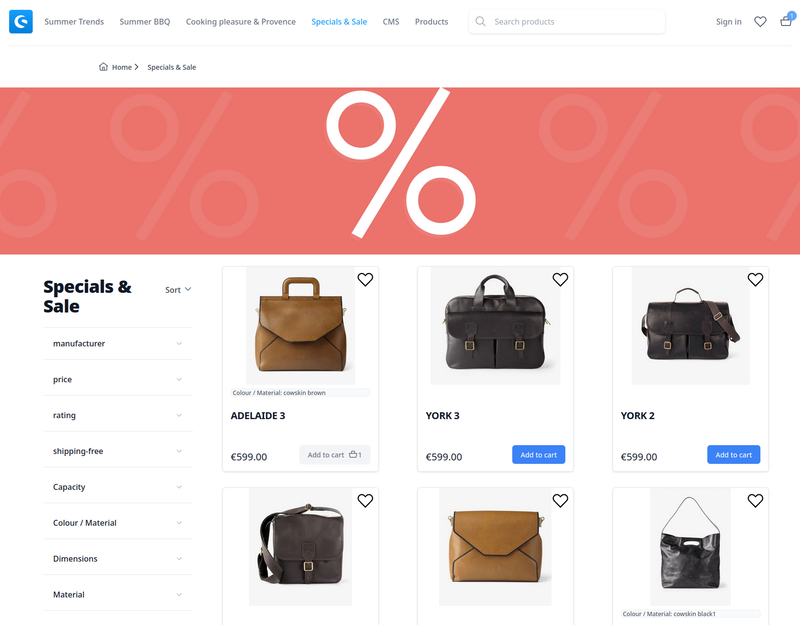
Deprecated reference storefront built with Shopware Frontends and Nuxt 4, wired to a pre-configured Shopware 6 demo API.
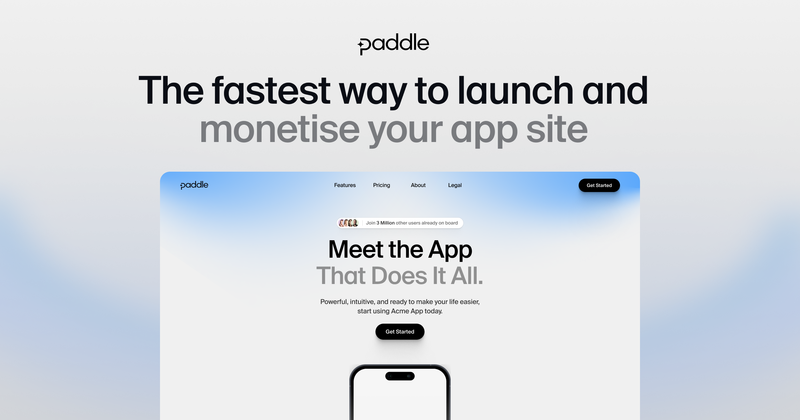
Next.js 15 starter from PaddleHQ that adds a pricing page and a Paddle Billing web checkout openable from iOS apps, with Apple Pay support.

Next.js onchain commerce template powered by OnchainKit and Coinbase Commerce, with multi-product checkout and Vercel deployment.
Shopware Frontends Demo Store (Nuxt) is a deprecated Ecommerce reference implementation that shows how to build a headless Shopware 6 storefront with Nuxt 4, the Shopware Frontends framework, and UnoCSS.
The Shopware Frontends Demo Store is an example ecommerce application built by Shopware with the Shopware Frontends framework and Nuxt 4, shipped as a reference implementation rather than a starter. It bundles the libraries a Shopware storefront needs — the API client, CMS components, composables, and the Nuxt module — and ships with a pre-configured Shopware 6 demo API, so after installing dependencies it renders a working storefront against that remote instance. The repository explicitly warns against using it to start a new project and points to the Vue Starter Template instead, which is built on Nuxt layers and picks up framework updates automatically.
pnpm i, pnpm dev, pnpm build, and pnpm start (npm and yarn equivalents also documented).endpoint and accessToken are set in nuxt.config.ts; swapping them points the store at another Shopware 6 instance.uno.config.ts available to extend or override the default configuration.@shopware/cms-base-layer package supplies the CMS components used for Shopware Shopping Experiences rendering and is registered in nuxt.config.ts.@shopware/api-client until you run the @shopware/api-gen CLI to load a schema and regenerate them via pnpm generate-types.vercel-edge preset, and a separate docker-composable-frontends repository.nuxt.config.ts and regenerating API types.@shopware/api-gen.@shopware/cms-base-layer package renders Shopping Experiences content without hand-building CMS components.uno.config.ts to extend the default UnoCSS and Tailwind configuration with custom theme values.Running it takes two commands: pnpm i installs dependencies, then pnpm dev starts the Nuxt development server against the pre-configured Shopware 6 demo API. To use your own instance, update the API credentials in nuxt.config.ts, put your Shopware API details in the .env file, load the store schema, and regenerate types — generated files such as api-types/storeApiTypes.d.ts are overwritten on the next schema generation, so extra endpoints belong in storeApiTypes.overrides.ts.
isr for that route or building with the vercel-edge preset.Yes. It is an open-source example repository published under the Shopware Frontends project, with no license fees or paid tiers mentioned. You install it with pnpm and run it locally against the bundled demo Shopware 6 API or your own instance.
No. The repository states plainly that the template is deprecated and should not be used to start a new project. Shopware directs new work to the Vue Starter Template, which is built on Nuxt layers and stays maintainable by picking up framework updates automatically.
Edit the Shopware API endpoint and accessToken values in nuxt.config.ts, add your Shopware API information to the .env file, then regenerate API types with the @shopware/api-gen CLI so the storefront uses your instance's schema instead of the shipped demo types.
It can, with a caveat. An open Nitro issue affects Vercel serverless functions with ISR on the catch-all route and on dynamic data depending on GET query parameters, so you must either disable isr for that route in nuxt.config.ts or build with the vercel-edge Nitro preset.