Newsletter
Join the Community
Subscribe to our newsletter for the latest news and updates

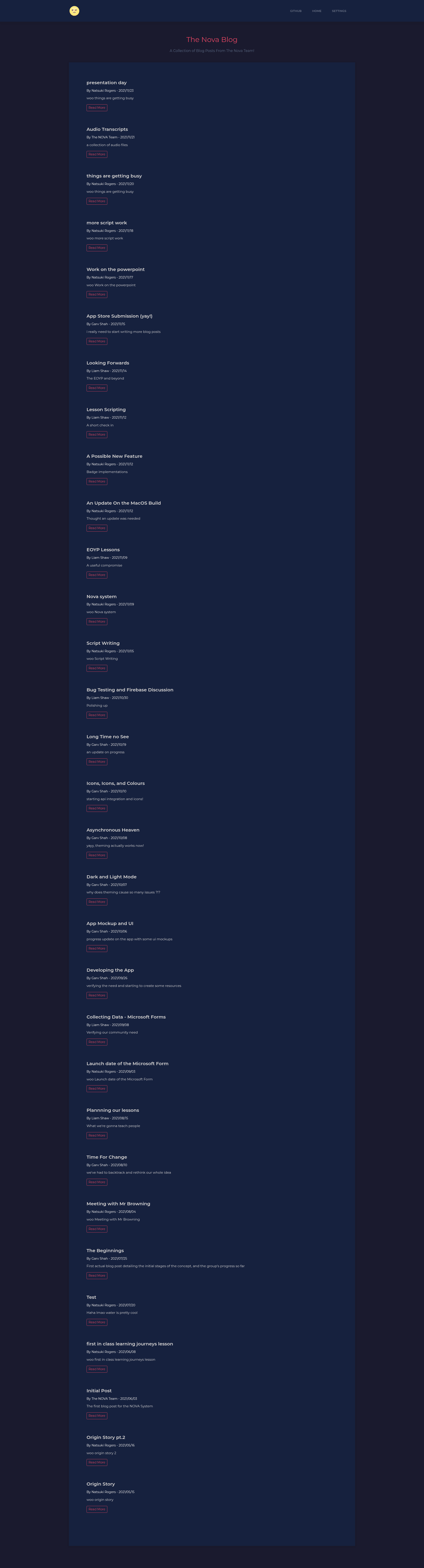
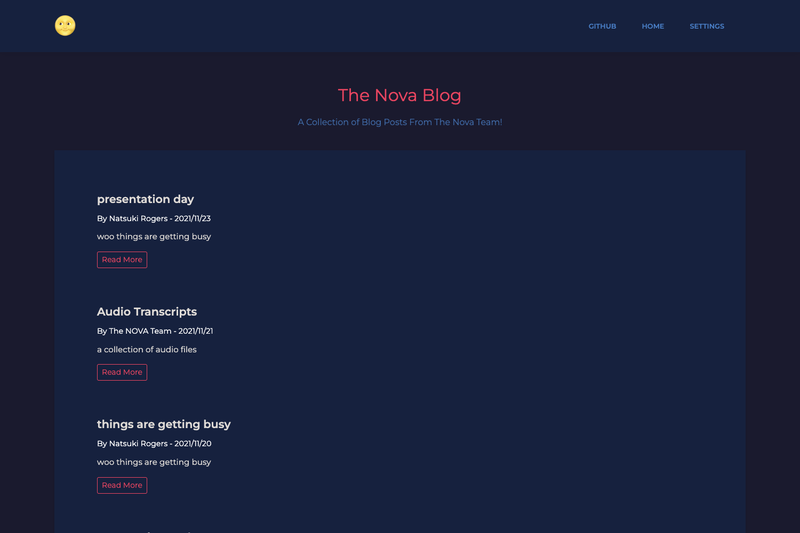
A Jekyll blog for the NOVA System cryptocurrency project, with a custom RSS-reader homepage and Markdown-based posts.
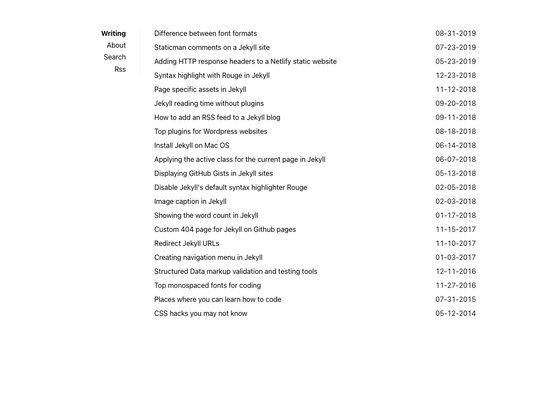
Sidey is a simple and minimalistic jekyll blogging theme with inline CSS, search, tags, and 100/100 performance scores.
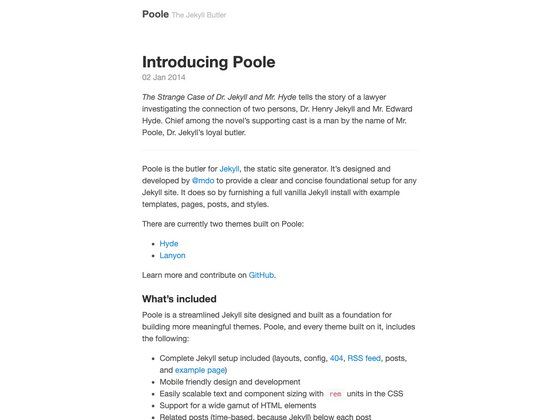
A no-frills responsive Jekyll blog theme by Mark Otto, with example templates, pages, posts, and Sass styles.
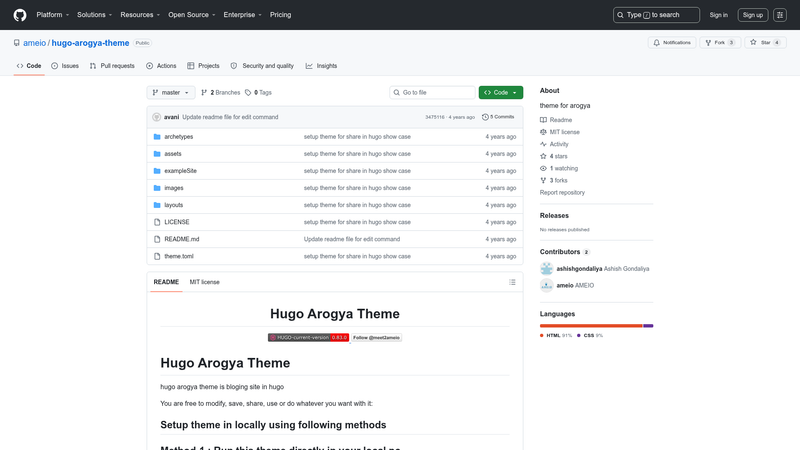
Hugo Arogya Theme is a blogging site theme for Hugo with multilingual support, contact form, Google Analytics, and Bootstrap 3 responsive design.
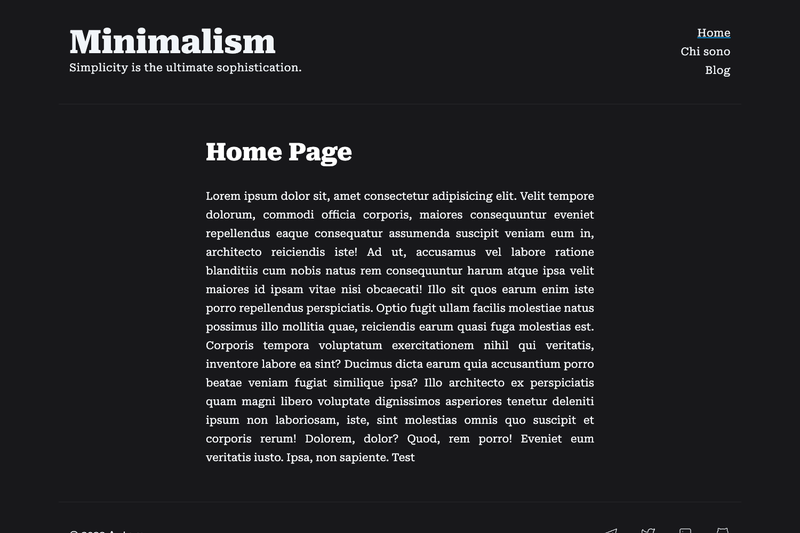
Eleventy starter with PWA, Tailwind CSS, SEO, blog, RSS, sitemap, and dynamic social images.
NOVA System Blog is a Jekyll-based blog template for the NOVA System project, an alternative cryptocurrency that uses proof of human work verification; it doubles as both the project's public progress log and a ready-to-adapt starter for Markdown-driven blogs on GitHub Pages.
The NOVA System Blog is a Jekyll-powered blog hosted on GitHub Pages that records development progress for the NOVA System cryptocurrency, which uses proof of human work verification. The template takes Markdown posts with front matter fields for title, excerpt, and author and renders them into static HTML, while a separate custom homepage consumes the generated RSS feed to display post summaries. The project is maintained by the NOVA System team: Garv Shah, Liam Shaw, and Natsuki Rogers.
YYYY-MM-DD-Title.md to the _posts folder, start it with front matter plus a {% include header.html %} line, and push to GitHub.loadFeed.js fetches feed.xml from /blog/feed.xml and renders entries through the makeBlogPost() function.static folder and reference them in posts with Jekyll's built-in link tag, e.g. .feed.xml and the final HTML are generated server-side and not stored in the repository.sudo gem install bundler, then bundle install and bundle exec jekyll serve to preview at http://127.0.0.1:4000/.The blog uses Jekyll to compile Markdown files into static HTML during the GitHub Pages build, generating a feed.xml Atom feed. The homepage runs a separate JavaScript file, loadFeed.js, which fetches that feed, extracts the title, excerpt, and author from each entry, and uses the makeBlogPost() function to build text boxes on the main page. When a visitor clicks "Read More," the site redirects to the Jekyll-generated post page.
Create a Markdown file in the _posts folder named with the pattern YYYY-MM-DD-Title.md. Each post must start with front matter providing the title, excerpt, and author, followed by the line {% include header.html %}. Push the file to the repository and GitHub Pages will build the blog automatically.
Yes. Jekyll can render LaTeX math. The readme points to the LaTeX/Mathematics guide on Wikibooks and suggests QuickLaTeX for quickly previewing equations, because GitHub's built-in Markdown does not render LaTeX.
Yes, on a Mac with Ruby installed. Install Bundler with sudo gem install bundler, clone the repository, run bundle install, and start a preview with bundle exec jekyll serve, which hosts the site at http://127.0.0.1:4000/.
The main NOVA System website is a progressive web app, but this Jekyll blog is not a standalone PWA; the developers note that making it one "is kinda being a pain." Installing the main site's app leads to nearly the same functionality.
The NOVA System is an alternative cryptocurrency system based on proof of human work verification. This blog is the project's progress-logging and documentation site, maintained by the development team as they build the system.