Newsletter
Join the Community
Subscribe to our newsletter for the latest news and updates

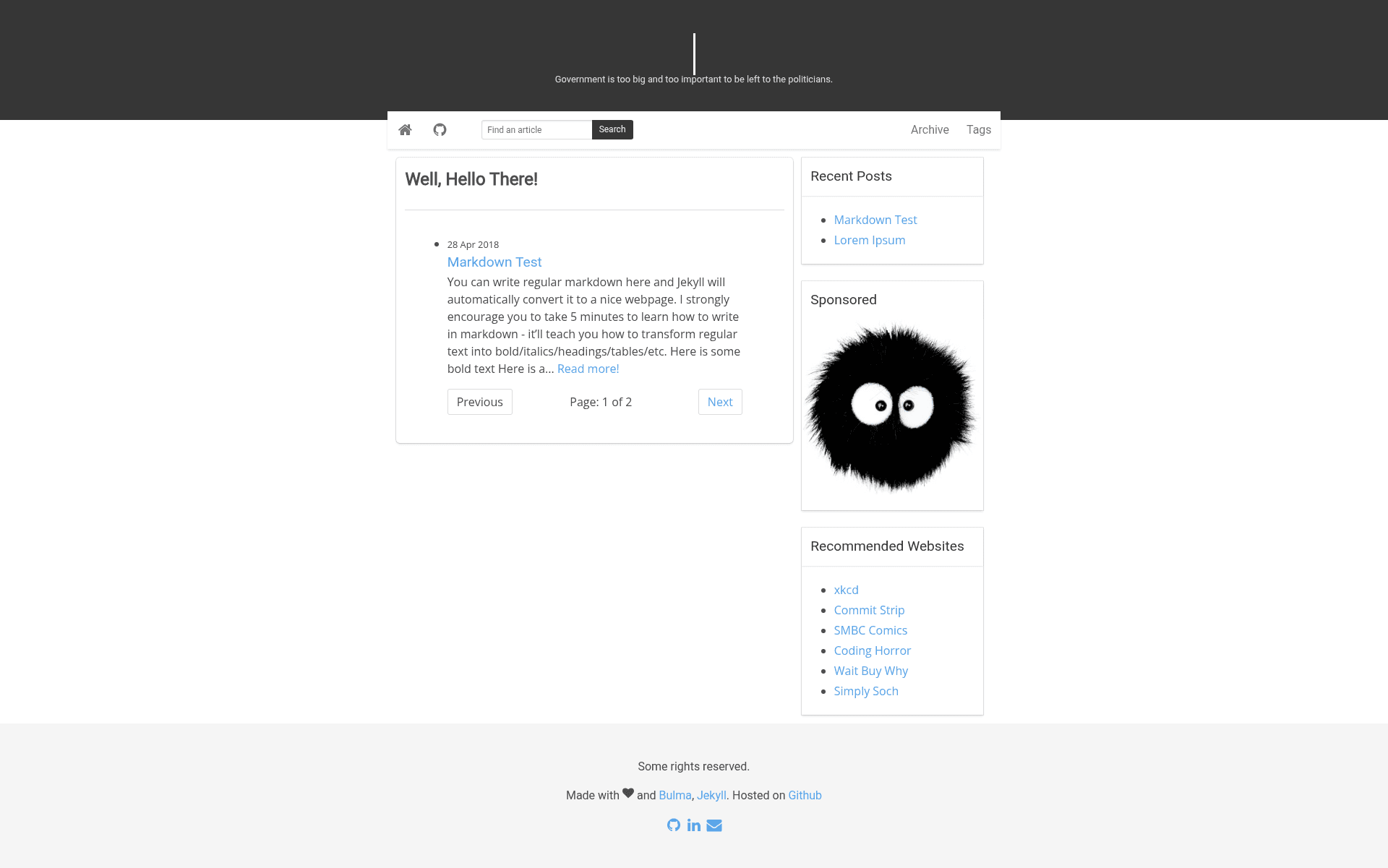
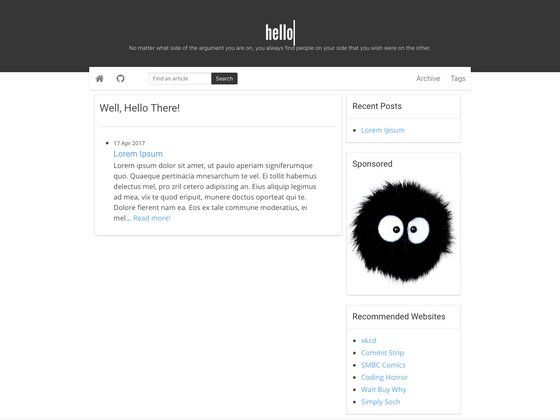
A simple responsive two-column Jekyll theme for personal blogs and basic portfolio websites.
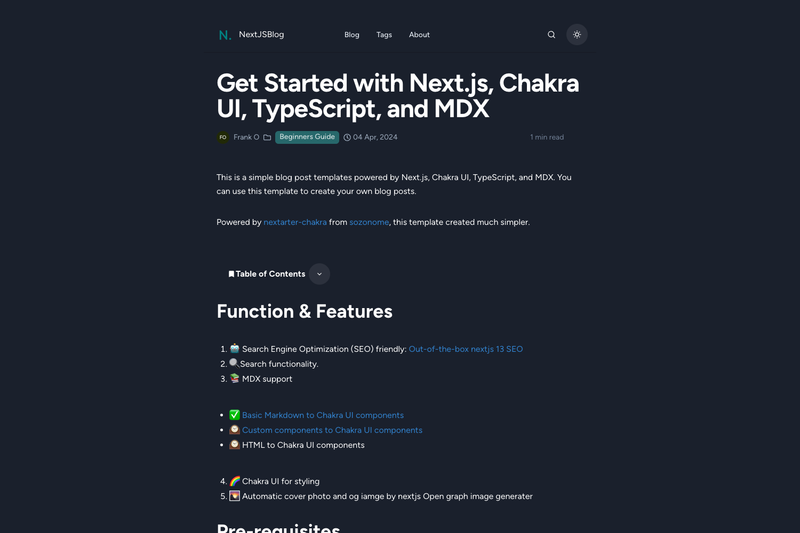
A Next.js, Chakra UI, and TypeScript blog starter with MDX, PWA, i18n, and one-click deployment.
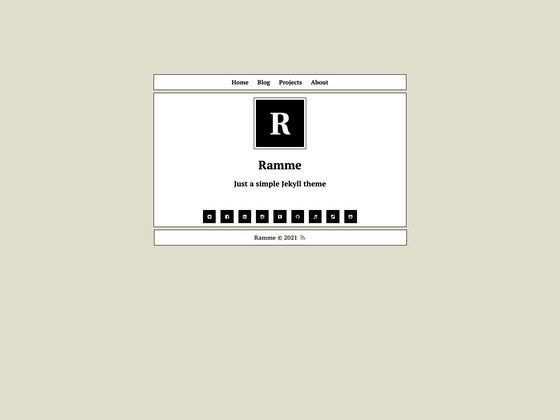
A simple retro Jekyll theme with a terminal-inspired design, table of contents, and sample posts for blogs.
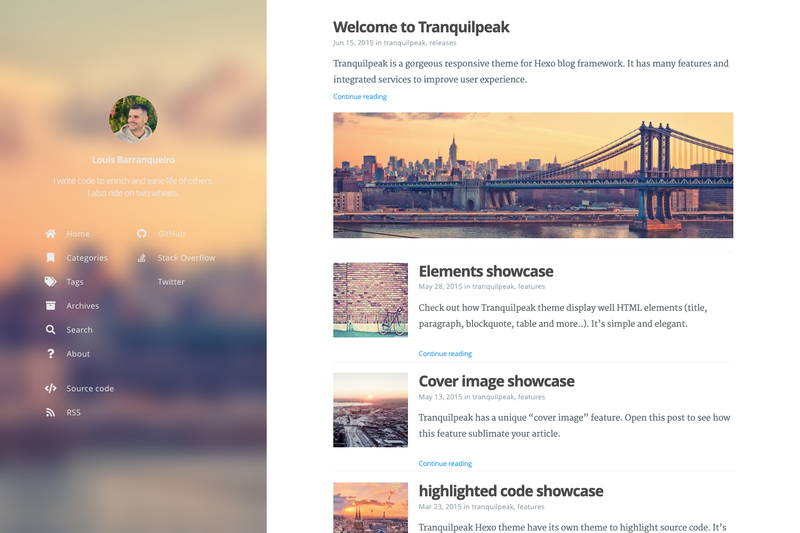
A gorgeous responsive theme for Hexo blog framework
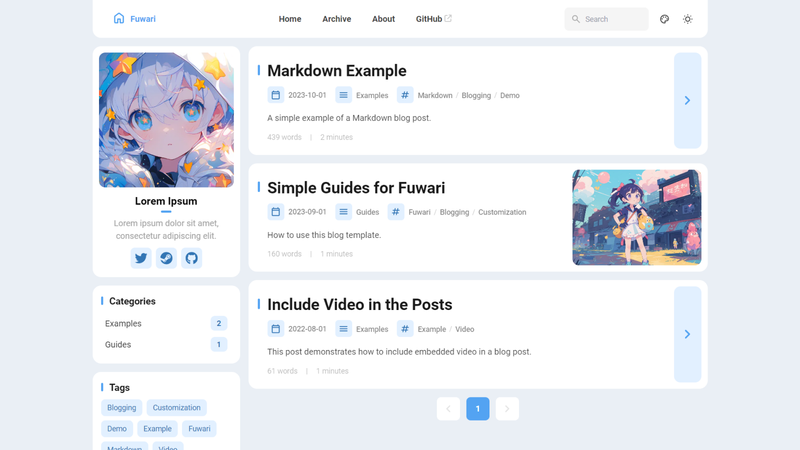
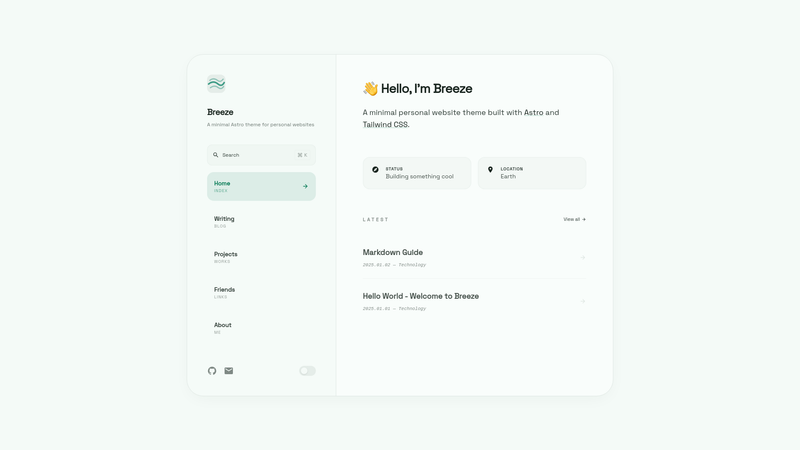
A clean, minimalist static blog template built with Astro and Tailwind CSS.
Soot Spirits is a lightweight two-column Jekyll theme for personal blogs that focuses on clean typography and mobile responsiveness. Built with Bulma CSS, it turns Jekyll projects (Markdown posts and a _config.yml) into a static site ready for GitHub Pages.
Soot Spirits is a responsive two-column Jekyll theme styled with Bulma CSS, designed for personal blogs and basic portfolio websites. It takes standard Jekyll content — Markdown posts, pages, and configuration in _config.yml — and outputs a static HTML site that runs on any Jekyll-compatible host, including GitHub Pages. The theme puts typography first, combining League Gothic, Roboto, and Open Sans fonts loaded from Font Squirrel and Google Fonts.
Soot Spirits suits bloggers who want a clean, typography-focused design without heavy JavaScript or complex styling. Developers learning Jekyll can use it as a minimal starting point with clear file structure. Portfolio owners can repurpose the two-column layout to present projects and contact links via the sidebar and footer.
Install Jekyll on your machine, download the theme zip or clone the repository, then remove the tmp/ directory and any sample posts. Edit _config.yml with your site details, set the Disqus username, replace footer links, and update the site address in assets/js/custom.js. Run jekyll build or jekyll serve to generate the static site, or push the repository to GitHub Pages for automatic building.
Yes, it is released under the MIT license, so you can use, modify, and redistribute it freely, even for commercial projects.
The theme loads League Gothic, Roboto, and Open Sans from Google Fonts and Font Squirrel. These are free to use and are selected for readable, attractive text.
Yes, Soot Spirits is a standard Jekyll theme, so it works out of the box with GitHub Pages. The repository metadata lists 'github-pages' as a topic.
Disqus is integrated as the comment system. You must set your Disqus username in _config.yml, or you can delete the Disqus block if you don't need comments.
The sidebar widgets, including the 'hello' text, quotes, and navigation, are customizable through configuration and layout files. The theme's README explains that all these elements can be adjusted.