Newsletter
Join the Community
Subscribe to our newsletter for the latest news and updates

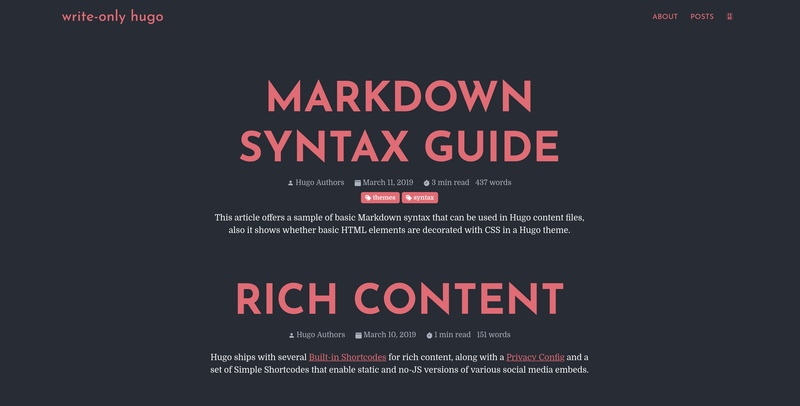
A simple, clean Hugo blog theme with markdown support, cheatsheet layouts, and a live demo.
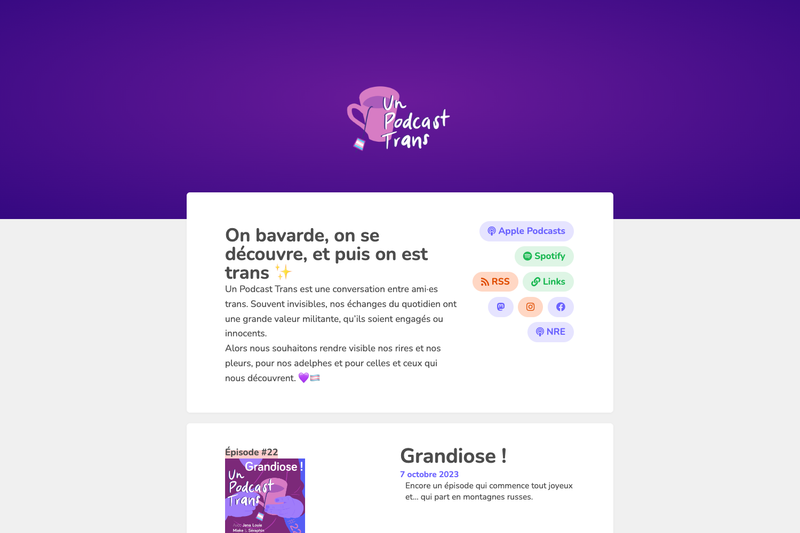
Source for 1pct.fr, a French podcast website about trans folks, built with Jekyll for GitHub Pages.
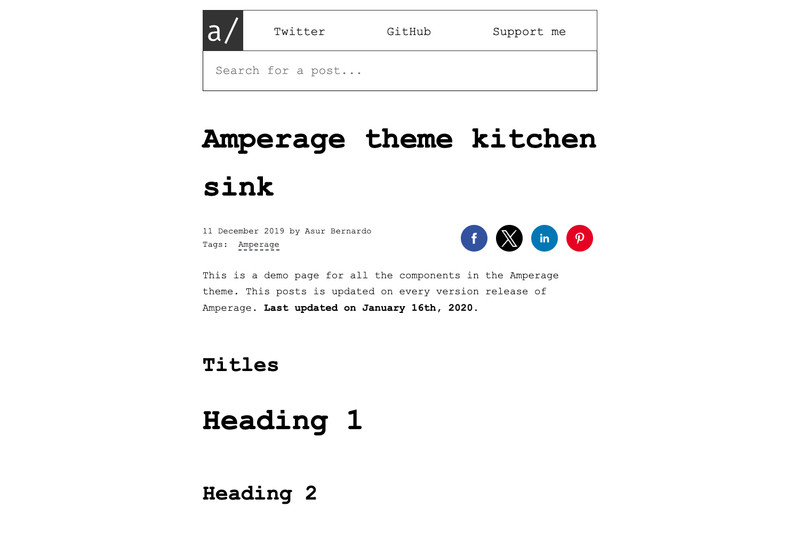
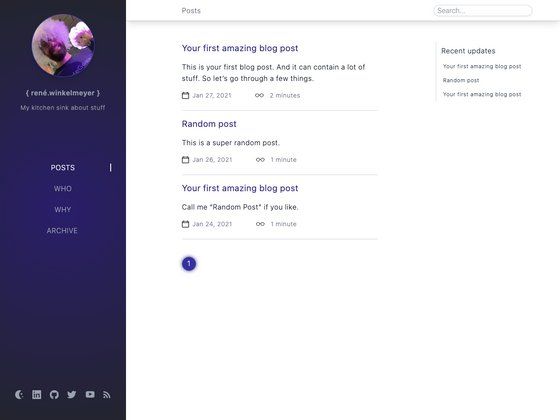
GoHugo theme that generates native AMP pages with PWA, structured data, service workers, and i18n out of the box.
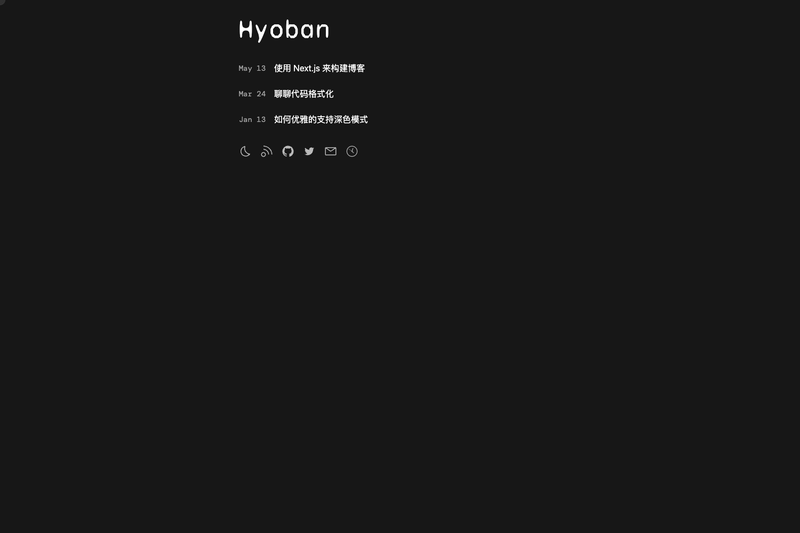
A minimal blog template built with Next.js 13 and Notion as a CMS, ready for one-click deployment to Vercel.
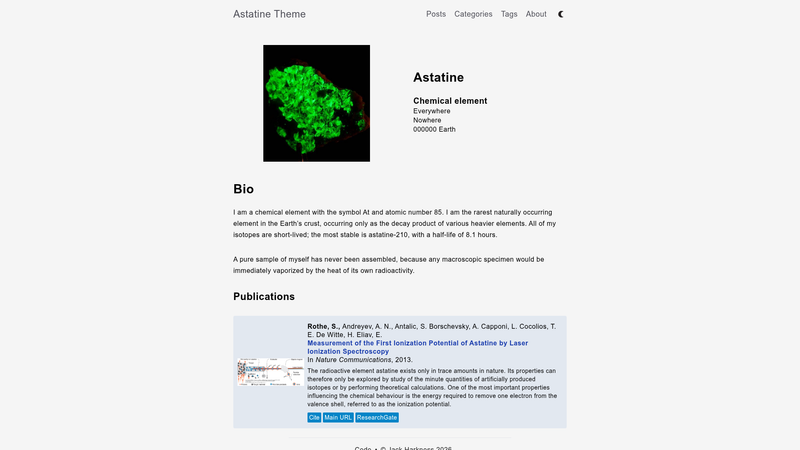
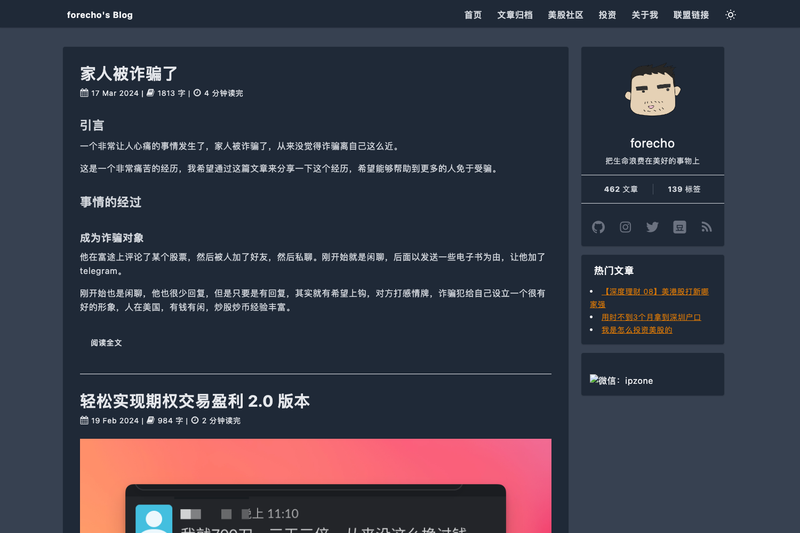
A minimalist Hugo blog theme for academics with dark mode, LaTeX, and Tailwind CSS.
Write-Only Hugo Theme is a minimal blog theme for the Hugo static site generator, focused on clean markdown-based writing and shipping with optional cheatsheet layouts.
Write-Only Hugo Theme is a free, MIT-licensed theme built for Hugo, the static site generator. It takes markdown content and a YAML configuration file and produces a static blog site. The theme is maintained by Iago Bozza on GitLab under the writeonlyhugo group, and it includes a live demo hosted on GitLab Pages at writeonlyhugo.gitlab.io/writeonlyhugo-demo/.
The repository itself contains the theme source plus a working example website in the hugoBasicExample folder. That example includes config.yaml and a content folder with standard markdown posts, so you can copy it to start a new site immediately.
hugo server --themesDir ../.. from that folder to preview locally.git clone https://gitlab.com/writeonlyhugo/writeonlyhugo-demo.git and replacing the sample content.You install the theme by cloning the repository into your Hugo themes folder, or by cloning the pre-built demo site as a starting point. The hugoBasicExample folder contains everything needed for a local test: run cd hugoBasicExample && hugo server --themesDir ../.. and open the local URL Hugo prints. The theme reads markdown files from your content folder and applies its layouts to generate static pages.
Write-Only Hugo Theme is released under the MIT license, allowing free use in personal and commercial projects.