Newsletter
Join the Community
Subscribe to our newsletter for the latest news and updates

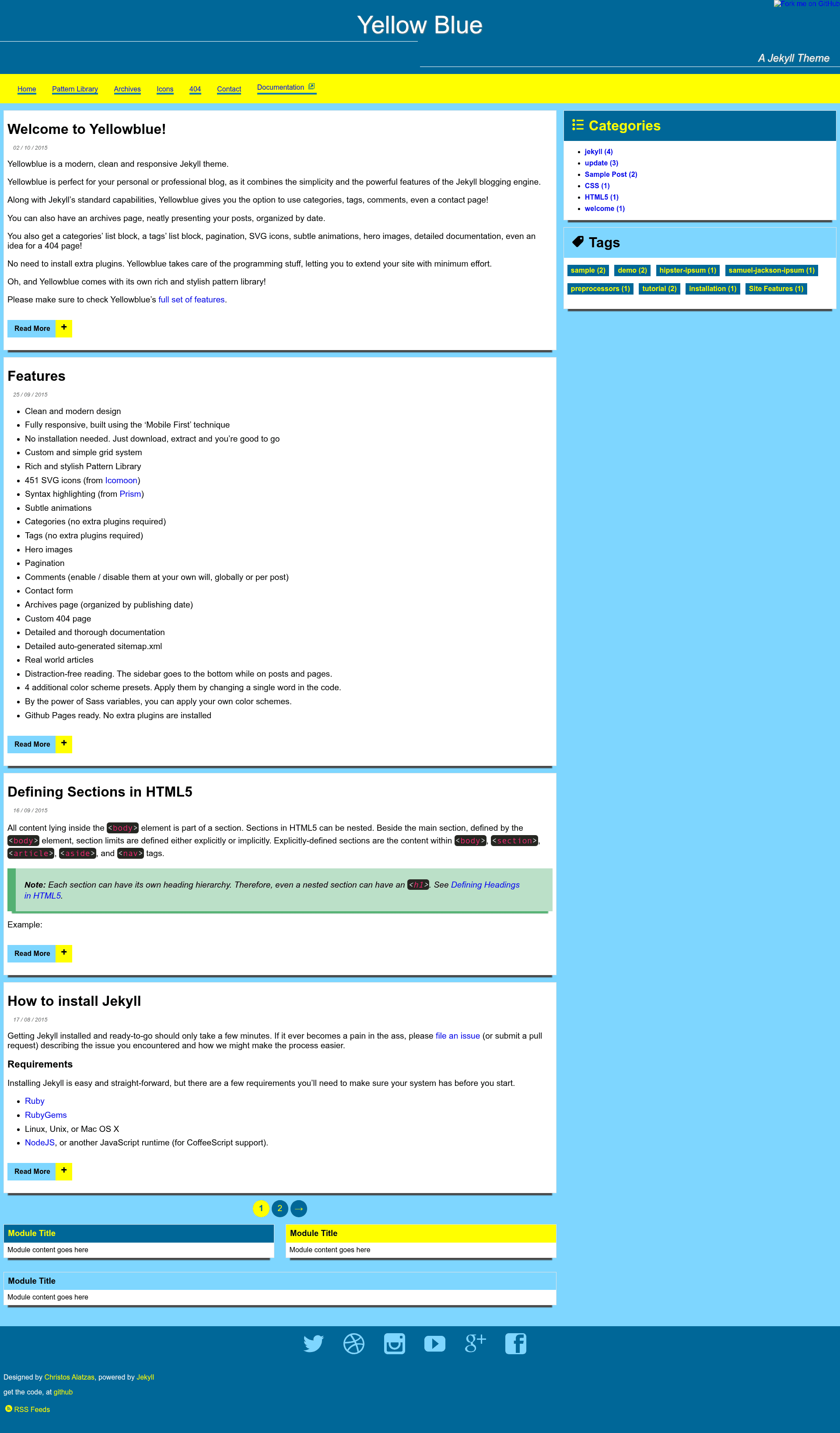
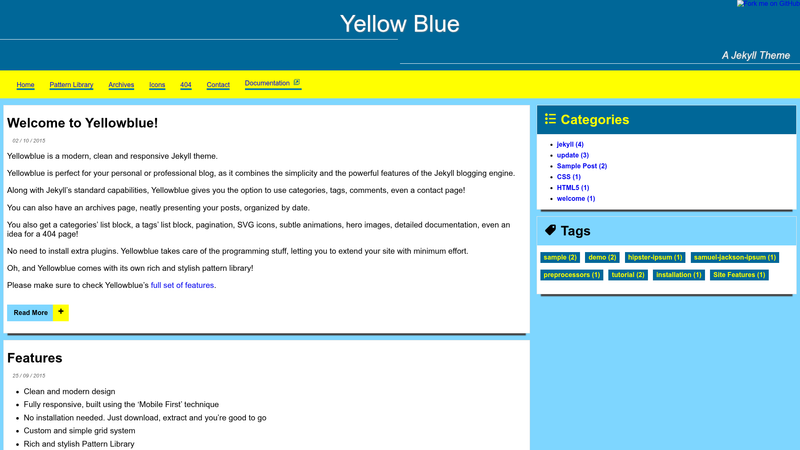
A free, responsive Jekyll blog theme with 451 SVG icons, Prism highlighting, Disqus comments, and GitHub Pages support.
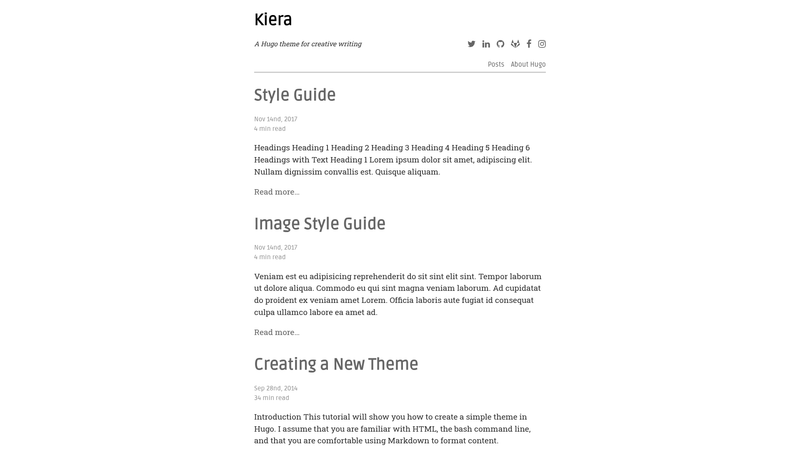
A Hugo theme for long-form writing with four image placements, Chroma code highlighting, and on-demand Disqus comments.
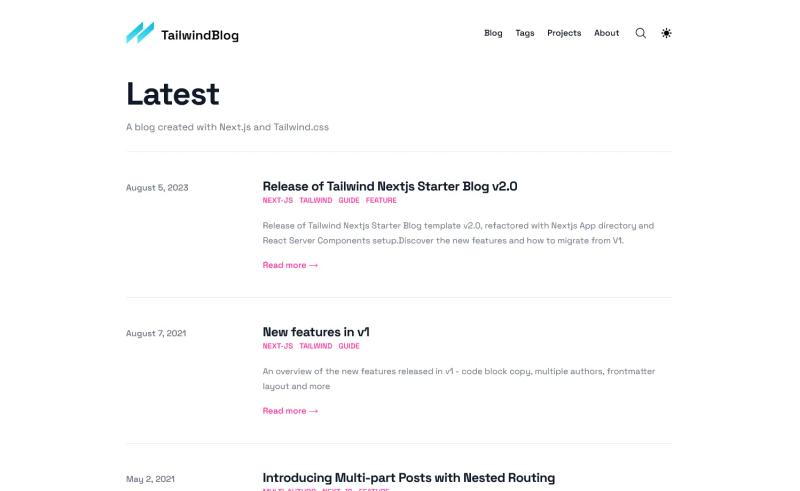
Free open-source Tailwind CSS and Next.js blogging template with multipage design, light/dark mode, and search filter.
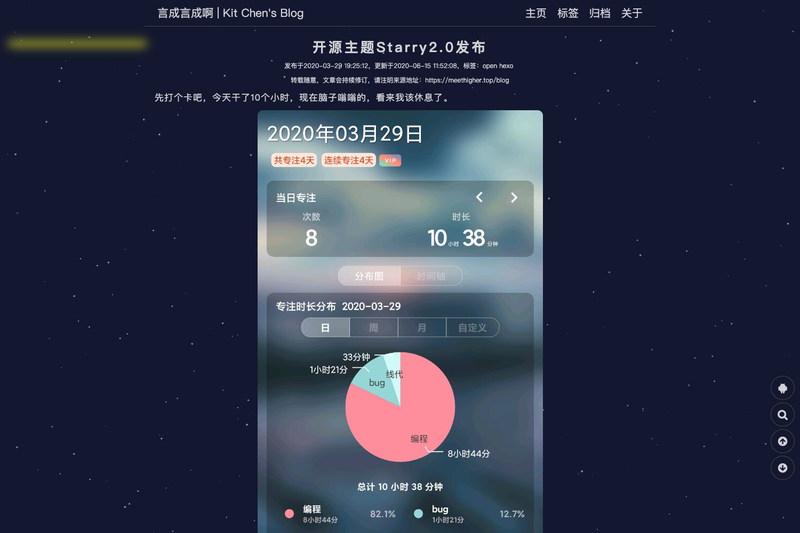
Free Hexo blog theme built with Ejs and Less, featuring code styling, MathJax, Gitalk comments, global search, and an image viewer.
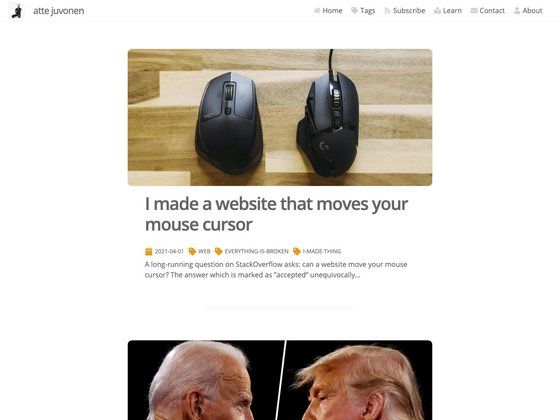
A fast, responsive Gatsby blog template with Markdown posts, tags, infinite scroll, and a contact form.
Yellowblue is a free, responsive Jekyll blog theme built by Christos Alatzas, designed for static site generation with no plugin dependencies.
Yellowblue is a free, responsive Jekyll blog theme that produces a clean, modern blog with a custom grid system. You give it standard Jekyll content (posts, pages, configuration in _config.yml), and it outputs a static site with hero images, syntax highlighting, categories, tags, pagination, and an archives page. It runs on Jekyll, the popular static site generator, and is ready for GitHub Pages because it requires no extra plugins. The theme is maintained by Christos Alatzas, who publishes a live demo and separate documentation site.
Yellowblue follows standard Jekyll conventions: you place posts in the _posts folder, configure site settings in _config.yml, and run Jekyll to generate a static site. The theme's layout files pull in Prism for code highlighting, jQuery and scrollReveal.js for animations, and Fluidbox for zooming images. When you're ready to publish, you can push the generated site to GitHub Pages.
Yellowblue is free. The theme is released as an open-source project, and you can download it from the repository or GitHub page.
Yes, Yellowblue is a free Jekyll theme. You can download, modify, and use it for personal or commercial projects without paying a license fee.
No. The theme works with standard Jekyll features and is GitHub Pages ready, meaning you don't need to install extra plugins to get categories, tags, or pagination working.
Yellowblue uses Prism for syntax highlighting. The theme bundles Prism.js and its styles, so code blocks are highlighted based on language classes you add to your Markdown.
Yes. Yellowblue includes four additional color scheme presets, applied by changing a single word in the code. More advanced changes use Sass variables, letting you define your own palette.
Comments come from Disqus; you can enable them globally in _config.yml or per post. The contact form works with Formspree, so you just point the form's action to your Formspree endpoint.