Newsletter
Join the Community
Subscribe to our newsletter for the latest news and updates

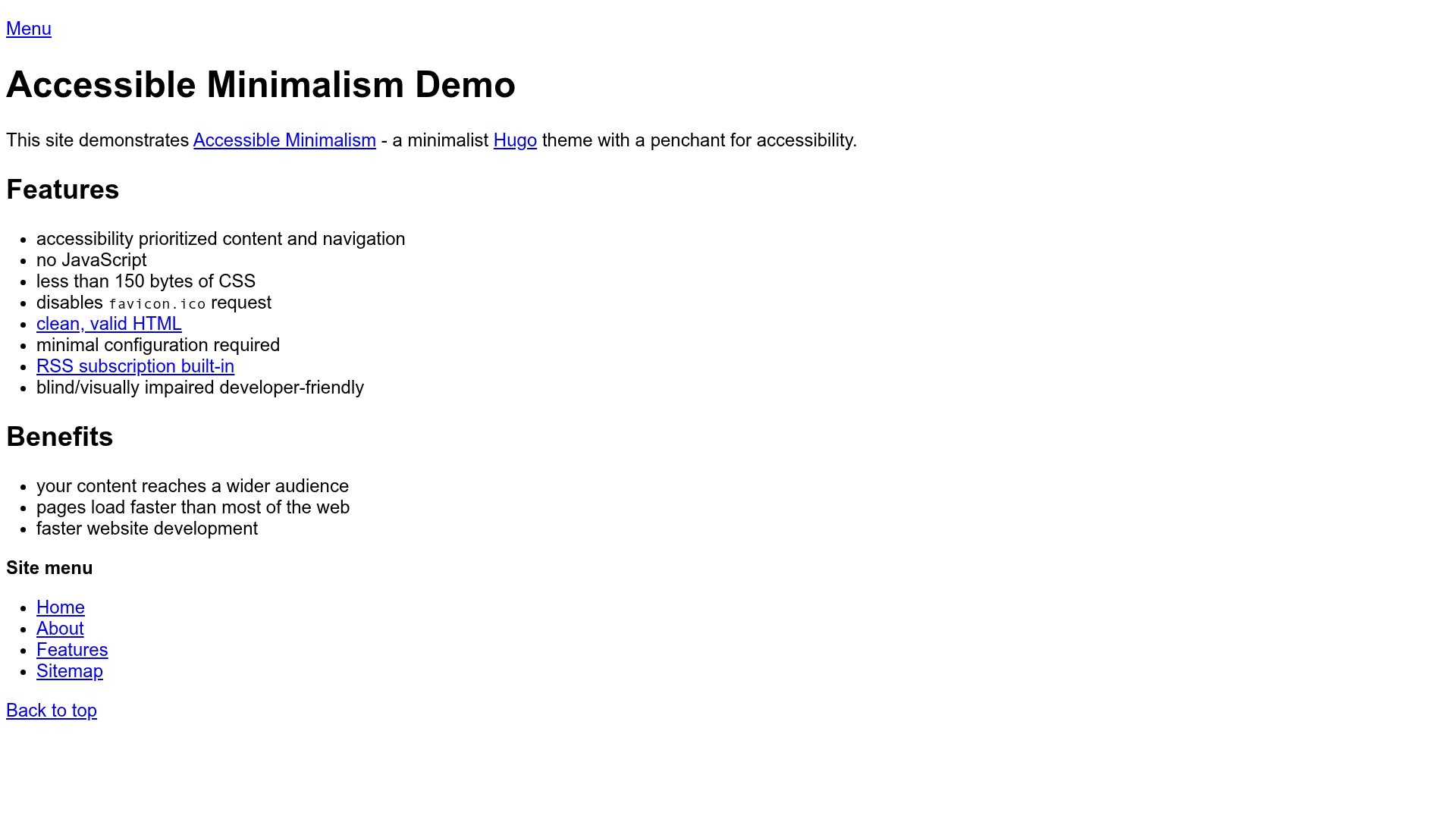
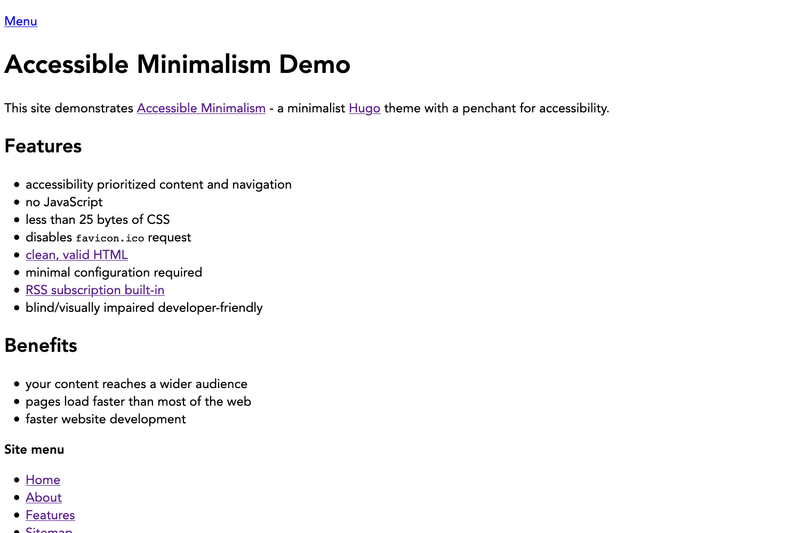
Minimalist Hugo theme focused on accessibility, producing lightweight, semantic HTML5 pages with RSS support.
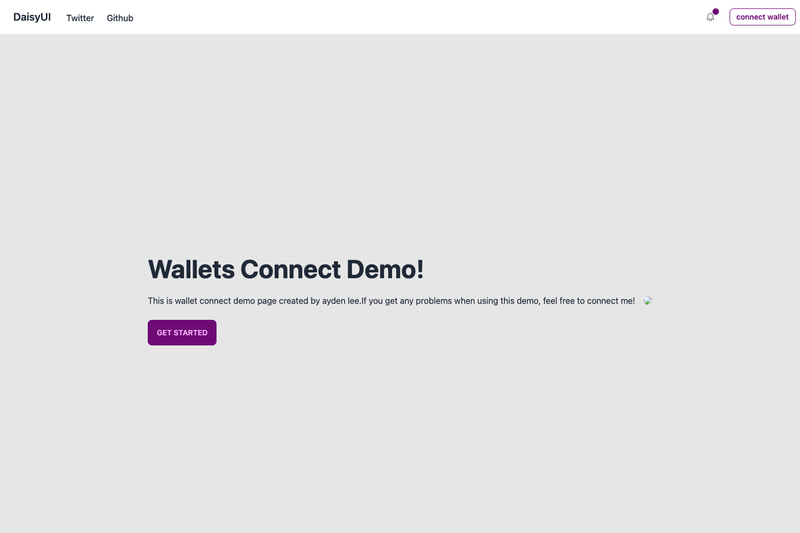
A simple wagmi hook and RainbowKit wallet demo built with Next.js.
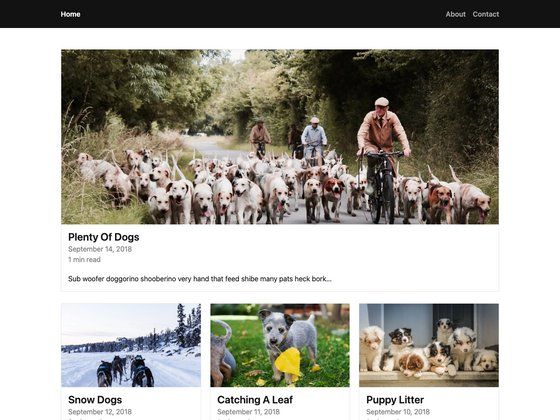
A starter template to build amazing static websites with Gatsby, Contentful and Netlify.
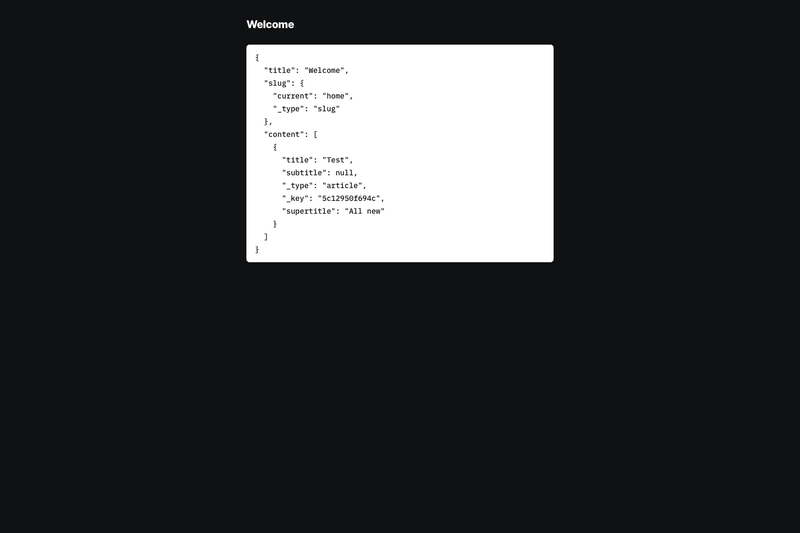
A Next.js and Sanity starter template with live previews and a customized Sanity Studio on the /studio route.
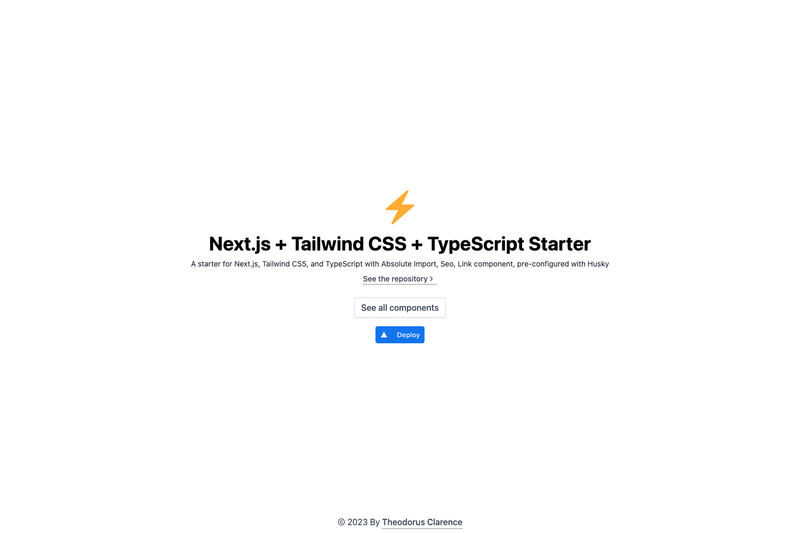
Next.js + Tailwind CSS + TypeScript starter and boilerplate packed with useful development features.
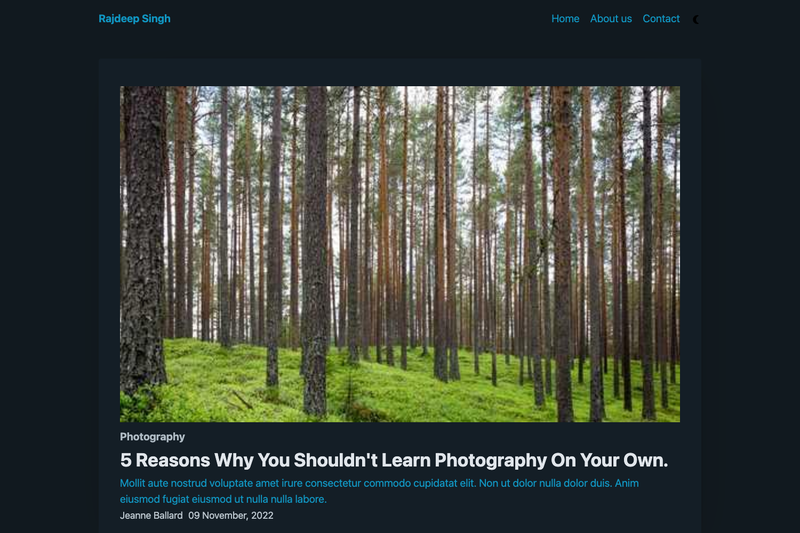
A Next.js starter template that integrates the Pico CSS classless styling framework.
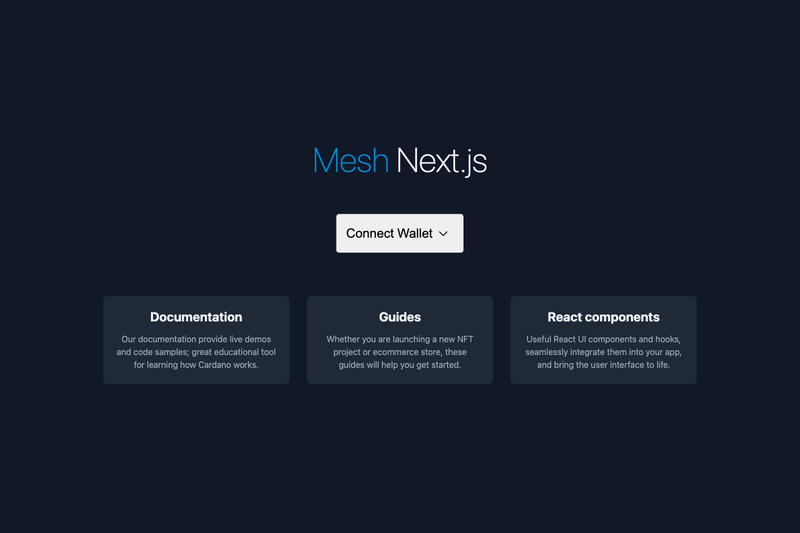
Start a new project on Next.js. This starter template consists of a connect wallet button and wallet integration.
Accessible Minimalism is a minimalist Hugo theme for building lightweight, accessible static websites, with semantic markup and built-in RSS support. It takes Hugo content files and configuration as input and outputs clean, low-bloat HTML pages that prioritize screen-reader usability and minimal CSS.
Accessible Minimalism is an open-source Hugo theme designed to generate static websites with a strong emphasis on accessibility and minimal markup. It accepts standard Hugo content directories and a hugo.toml configuration file, producing XHTML 1.0 Strict valid and HTML5-friendly pages. The theme is maintained by leonstafford and demonstrated on a Netlify-hosted demo site at accessible-minimalism.netlify.app.
hugo.toml copied from the exampleSite directory, making startup minimal.Accessible Minimalism is for Hugo users who prioritize page weight and inclusivity over JavaScript-heavy visuals. It suits bloggers and content publishers who want their articles readable in text browsers like Lynx and in screen readers, and who value RSS feeds for distribution. It also appeals to developers who prefer clean, readable source code and a minimal starting point for a personal or project site.
exampleSite directory for structure and configuration guidance.Install Hugo, then add the theme as a git submodule with the command git submodule add --no-single-branch https://github.com/leonstafford/accessible-minimalism-hugo-theme themes/accessible-minimalism. Copy the hugo.toml from the repository's exampleSite folder to your site root, and run hugo server to preview locally at localhost:1313.
The theme is free and open source under The Unlicense, allowing you to do whatever you like with the code.
Yes, it is released under The Unlicense, a public-domain-style license that permits unrestricted use, modification, and distribution.
Add it as a git submodule: git submodule add --no-single-branch https://github.com/leonstafford/accessible-minimalism-hugo-theme themes/accessible-minimalism. Then copy the hugo.toml from the exampleSite directory to your site root and run hugo server.
Yes, RSS subscription support is one of the project's stated aims, allowing users to pull your content on demand via RSS feeds.
The theme is checked against the W3C validator, tested with Hugo's basic example content, verified in the Lynx text browser and screen readers, and checked with accessibility tools like WAVE and AChecker.