Newsletter
Join the Community
Subscribe to our newsletter for the latest news and updates

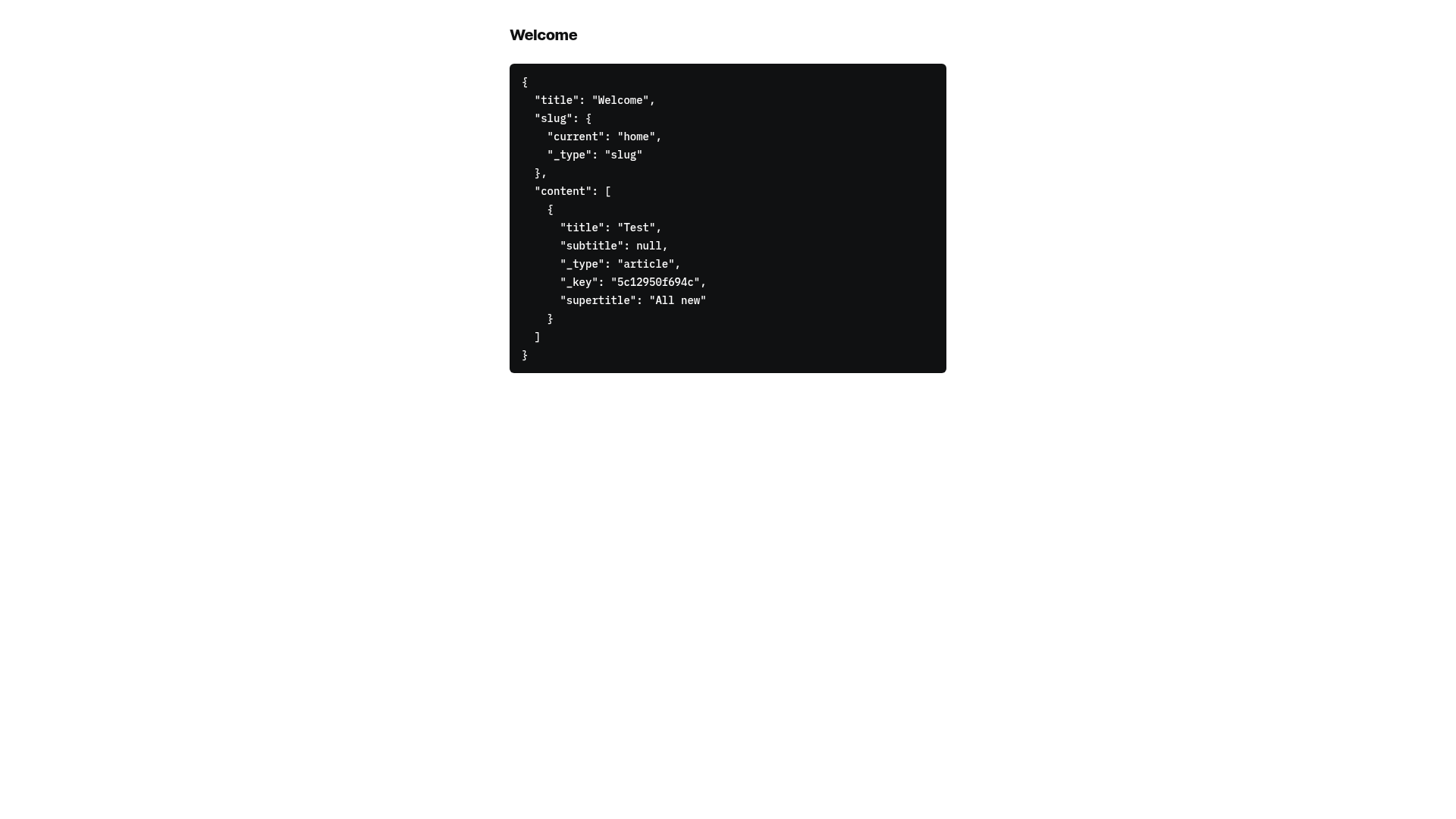
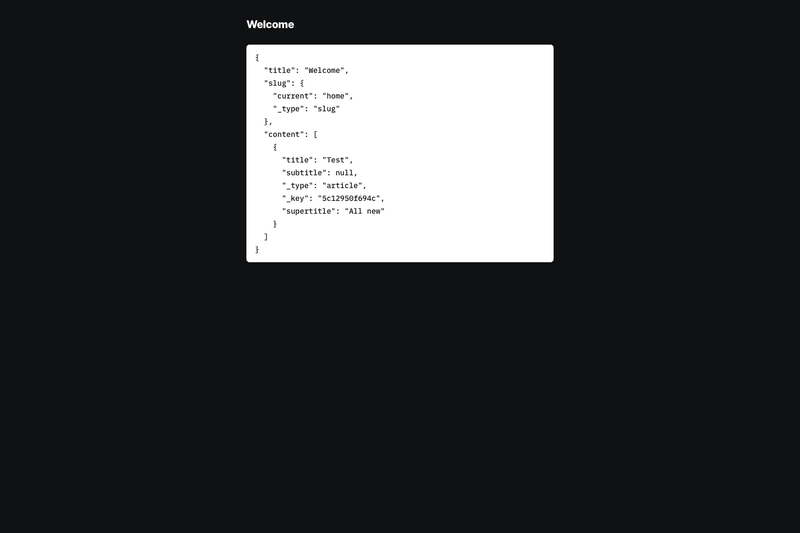
A Next.js and Sanity starter template with live previews and a customized Sanity Studio on the /studio route.

Small starter example of Hasura, Nuxt, and Netlify for Jamstack/SSR rendering
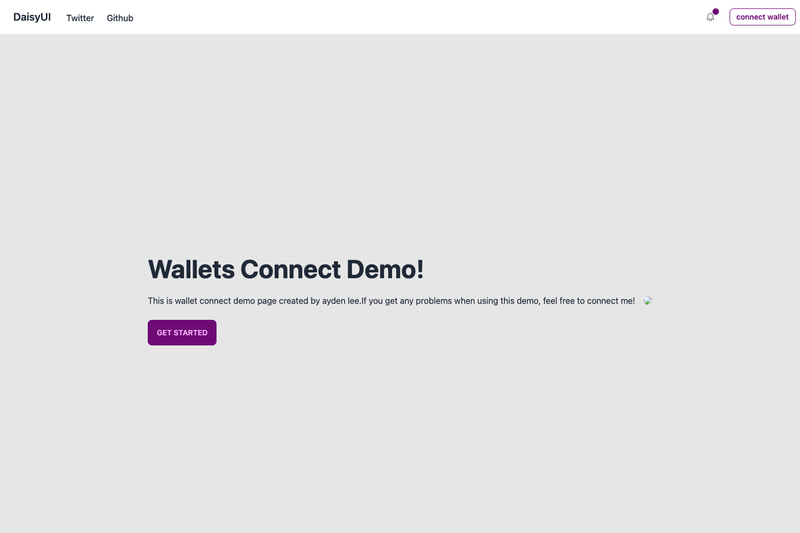
A simple wagmi hook and RainbowKit wallet demo built with Next.js.
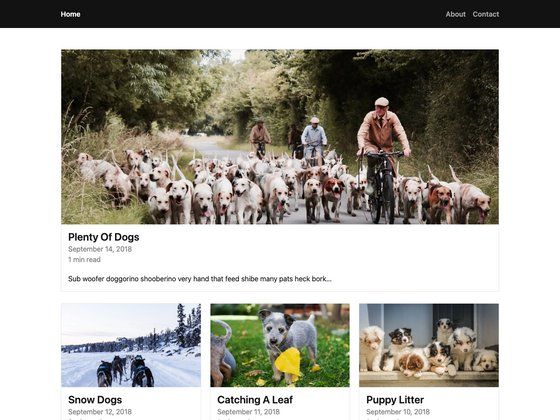
A starter template to build amazing static websites with Gatsby, Contentful and Netlify.
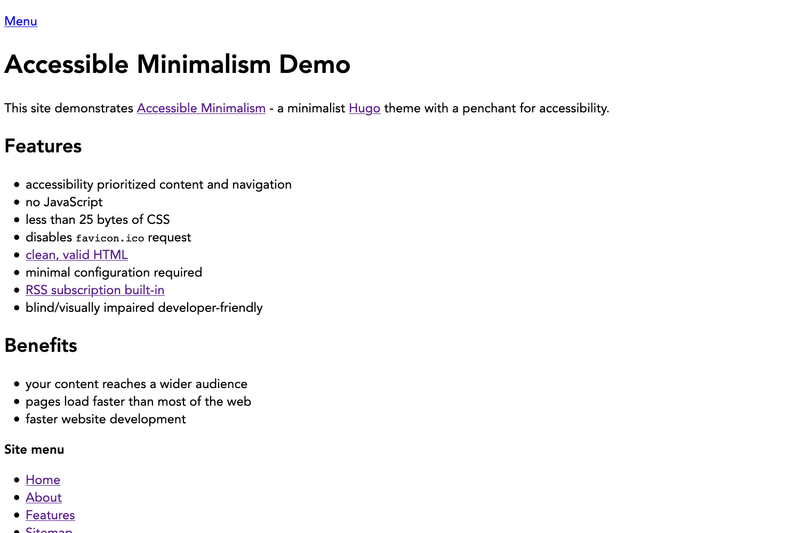
Minimalist Hugo theme focused on accessibility, producing lightweight, semantic HTML5 pages with RSS support.
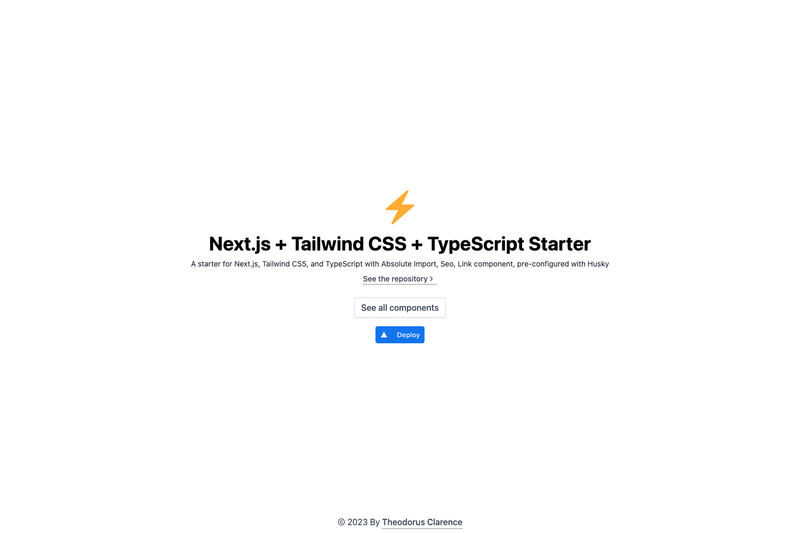
Next.js + Tailwind CSS + TypeScript starter and boilerplate packed with useful development features.

A Next.js starter template that integrates the Pico CSS classless styling framework.
Sanity Template Nextjs is a boilerplate that combines the Next.js React framework with the Sanity headless CMS, placing a customized Sanity Studio directly at the /studio route.
Sanity Template Nextjs is a GitHub starting point for a Next.js application with embedded Sanity integration. It is authored by Marius Lundgård, uses TypeScript throughout, and ships with a customized Sanity Desk Tool preconfigured. The template expects a Sanity project ID and dataset as input, which you provide via the sanity init command, and it produces a working Next.js app with live previews and a Studio route. It deliberately avoids Next.js's experimental appDir feature because of known stability issues, instead using the stable pages router.
next-sanity, allowing editors to see changes in real time.Developers who want a quick, opinionated setup for a Next.js site backed by Sanity can use this template to skip configuration. It is especially useful for those who need live previews, because the preview plumbing is already installed. Teams that want a customized Sanity Studio without building the desk tool from scratch will also benefit. The template suits projects that prefer the stable pages router over experimental features.
/studio route to manage content with a tailored desk tool.The README documents three setup steps. First, install dependencies with pnpm install. Second, run pnpm exec sanity init --env .env.local to create a Sanity project and dataset, writing credentials to a local env file. Third, run pnpm dev to launch the development server and access the Studio at /studio.
No. The template intentionally does not use Next.js's experimental appDir feature due to known issues. It relies on the stable pages router instead.
The template is open source and available on GitHub, so it is free to use. Sanity itself has a free tier, and a Vercel deployment also has a free tier for hobby projects.
The setup instructions assume pnpm. You run pnpm install, pnpm exec sanity init, and pnpm dev.