Newsletter
Join the Community
Subscribe to our newsletter for the latest news and updates

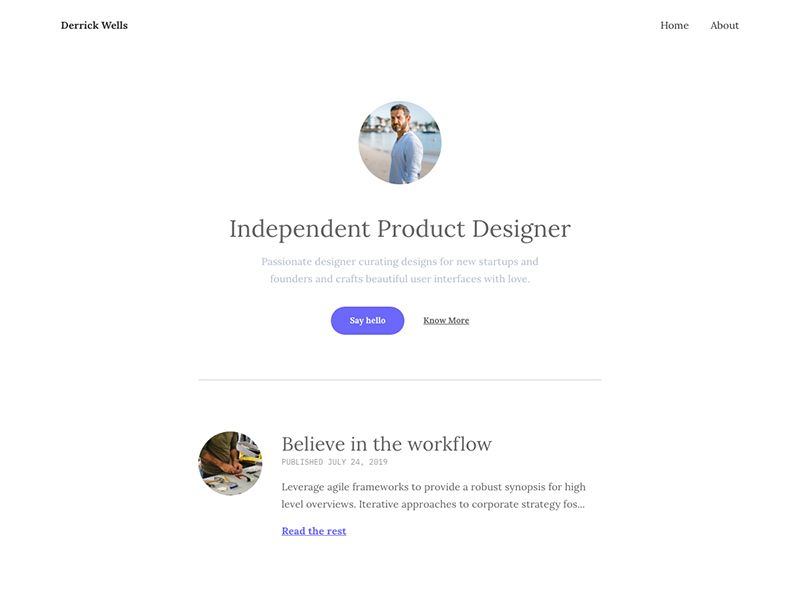
Derrick is a clean, minimal, and fast Jekyll theme for a personal blog, with Disqus comments, Google Analytics, and post sharing.
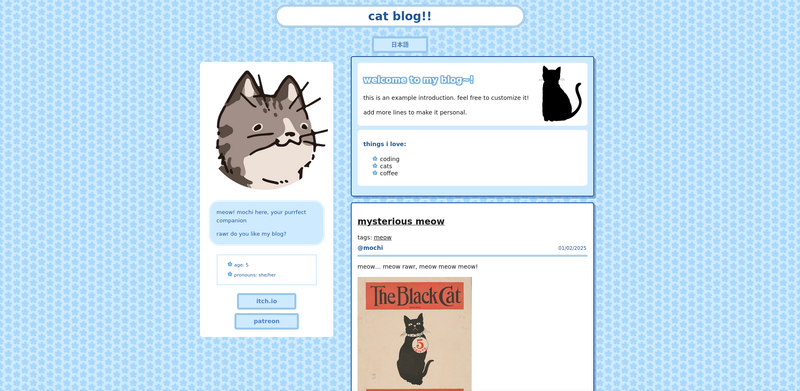
A minimalist Hugo theme for neocities-style personal blogs with customizable color themes and multilingual support.

Eko's website and blog built with Eleventy, featuring Netlify CMS and config-driven product pages.
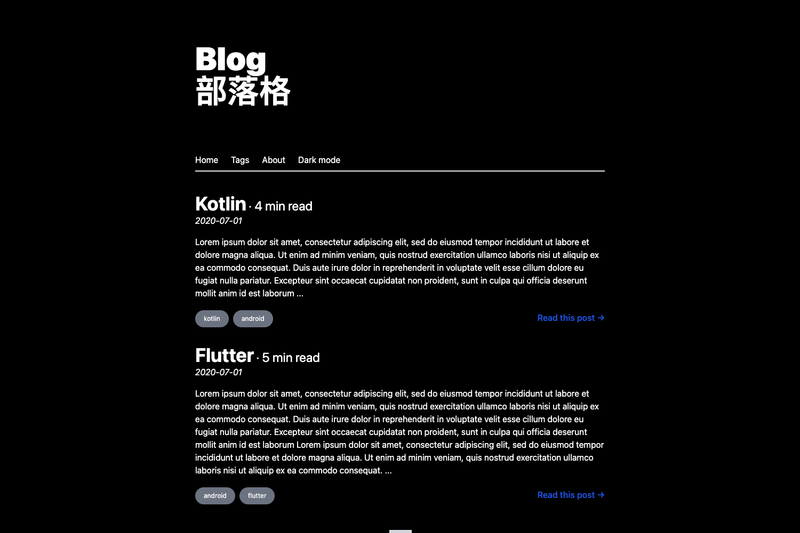
Eleventy v3 + Tailwind CSS v4 blog starter that works with JavaScript disabled.
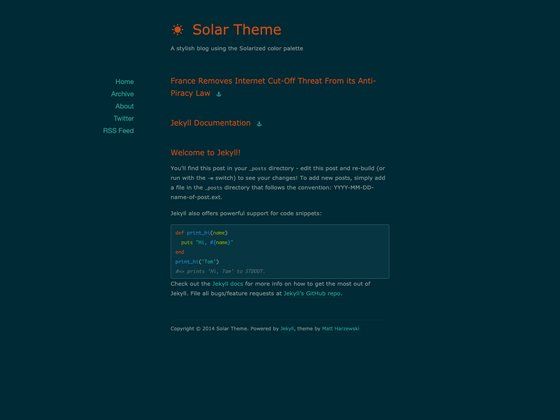
A stylish theme for Jekyll blogs, based on the Solarized color palette.
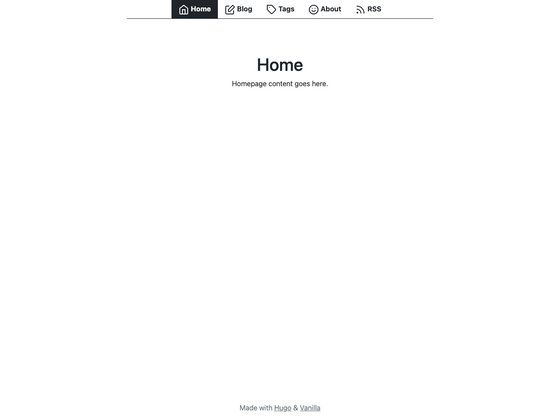
A vanilla Hugo theme built on Bootstrap 4.3 with shortcodes for blockquotes, tables, and image cards.
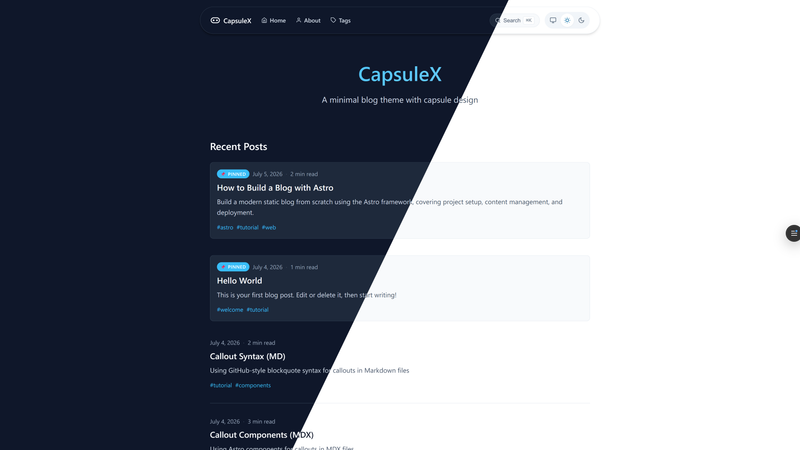
A minimal blog theme for Astro with capsule floating navigation and modern design.
Derrick is a free, open-source Jekyll theme for personal blogs, turning Markdown posts with YAML front matter into a clean, responsive HTML site.
Derrick is a free, open-source Jekyll theme for personal blogs, created by Artem Sheludko and released under the MIT License. It accepts Markdown posts with YAML front matter as input and renders a static, mobile-optimized HTML site, with a live demo hosted at https://derrick-jekyll.netlify.com. The theme is built to work with Jekyll, so it can run on GitHub Pages, and the repository is tagged for gh-pages and jekyll-theme.
Install dependencies by running bundle install in the theme directory, then start the Jekyll server with bundle exec jekyll serve. Create Markdown files in the _posts folder following Jekyll's naming convention, and include fields for title, date, image path, and tags in the front matter. Add your Disqus shortname and Google Analytics identifier to _config.yml, then rebuild the site; the theme also supports replacing favicon.ico in the root.
Derrick is free to download and use under the MIT License, so it can be used for personal or commercial projects without cost. The same author sells premium Jekyll themes — Coderon, Renva, and Nomod — which are paid alternatives.
Yes, Derrick is free and open source under the MIT License. You can download, use, and modify it for personal or commercial projects without paying a license fee. Premium themes by the same author are sold separately.
Clone or download the theme repository, navigate into the directory, then run bundle install to install dependencies and bundle exec jekyll serve to start a local server. The docs also point to Jekyll's deployment-methods page for publishing options.
Open _config.yml and change the disqus-identifier value to your Disqus account shortname. If comments do not load, verify that your website is registered with Disqus and follow Disqus's troubleshooting guide.
Open _config.yml and add your Google Analytics tracking identifier to the google-analytics key. The README shows a format like UA-99631805-1 for classic Universal Analytics identifiers.
Create a new Markdown file in the _posts directory using Jekyll's recommended file naming convention. Set the layout to post, and add title, date, image path under /assets/img/, and tags in the front matter, keeping tags without spaces between words.