Newsletter
Join the Community
Subscribe to our newsletter for the latest news and updates

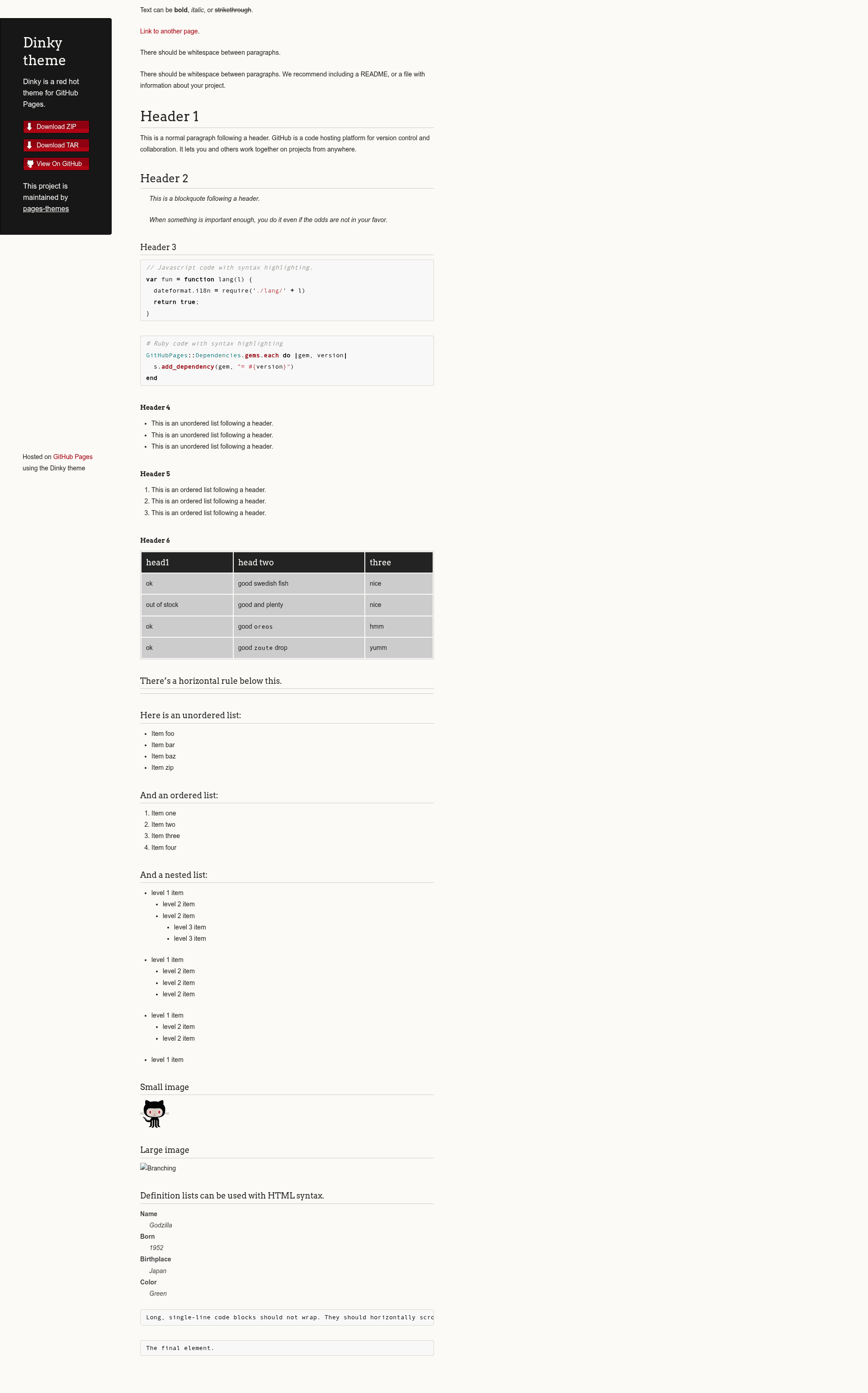
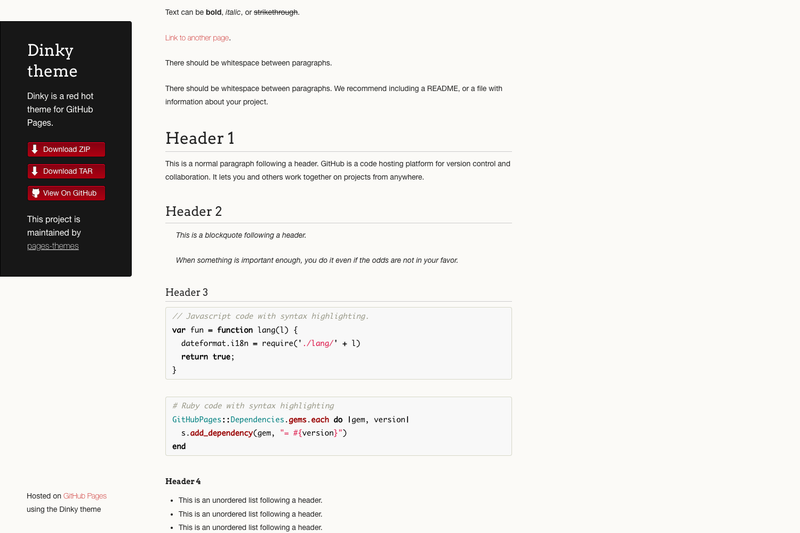
A minimal Jekyll theme for GitHub Pages with configurable title, downloads, and Google Analytics.
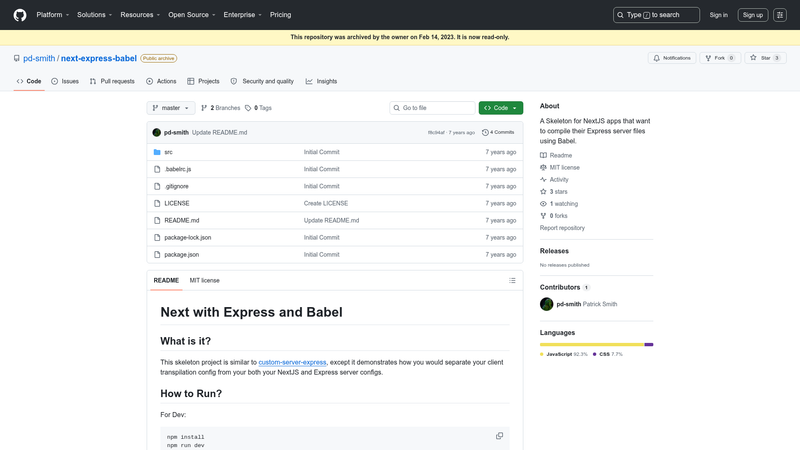
A skeleton project for Next.js apps that compile Express server files using Babel, with separate client and server configs.

A minimal, clean, responsive Gatsby starter that scaffolds a new static site with React and JavaScript, ready to deploy to Netlify.
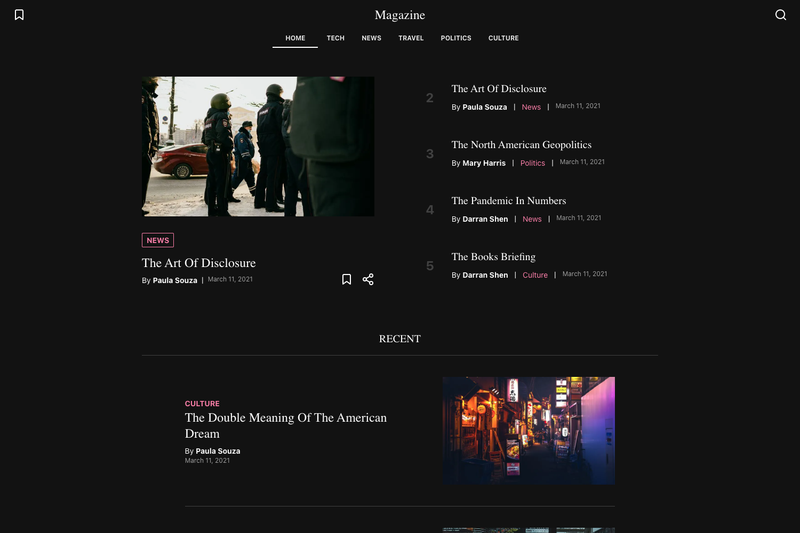
Strapi Next.js digital magazine starter kit with PWA, offline reading, and preview mode.
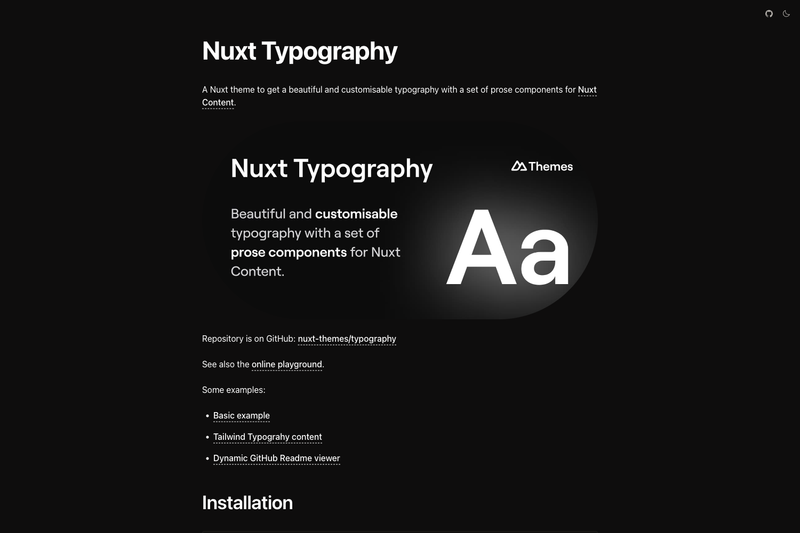
Beautifully customizable Prose components for Nuxt Content.
Dinky is a Jekyll theme for GitHub Pages that turns a Markdown-based site into a styled static website with minimal configuration.
Dinky is a Jekyll theme maintained by the pages-themes organization and distributed as a Ruby gem and GitHub repository (pages-themes/dinky). It runs on Jekyll, the static site generator built into GitHub Pages, and accepts site content written in Markdown or HTML plus a _config.yml file. The theme outputs a complete static website with a dark-on-light, project-oriented layout, ready to host on GitHub Pages. It is designed for simplicity, erring on the side of out-of-the-box usefulness rather than flexibility.
remote_theme: pages-themes/[email protected] to _config.yml with the jekyll-remote-theme plugin; no local Jekyll installation required for GitHub Pages.@import "{{ site.theme }}", then append custom CSS or Sass, including overriding theme Sass variables before the import line.Install via remote_theme, push to a GitHub Pages branch, and GitHub builds the Jekyll site automatically — the theme is applied during the build. For local development, add gem "github-pages" to your Gemfile and run the bootstrap script to fetch dependencies.
Dinky is free to use. It is an open source project (contributions welcome) and requires no paid license; GitHub Pages hosting is the only external dependency.
Yes. Dinky is an open source Jekyll theme published on GitHub under the pages-themes organization. There is no paid tier or license fee, and GitHub Pages hosts public repositories for free, so running a Dinky site costs nothing beyond a GitHub account.
Add remote_theme: pages-themes/[email protected] to your site's _config.yml and include jekyll-remote-theme in your plugins list. Commit the file to the publishing branch, and GitHub Pages builds the site with the theme automatically on push. No local Ruby or Jekyll installation is needed for this step.
Yes. Create /assets/css/style.scss with an @import "{{ site.theme }}" line, then add your own CSS or Sass. To change Sass variables, set new values before the @import line in that file, allowing full control over colors, fonts, and spacing.
Yes. Set google_analytics in _config.yml with your tracking ID. For newer versions of Google Analytics, place the updated tracking snippet in _includes/head-custom-google-analytics.html, which is loaded with the default layout. Custom snippets can also be added in the same include file.
Clone the repository, run script/bootstrap to install dependencies, then bundle exec jekyll serve. The site appears at localhost:4000, letting you preview changes before pushing to GitHub Pages. You must run script/bootstrap once before the test script script/cibuild will work.