Newsletter
Join the Community
Subscribe to our newsletter for the latest news and updates

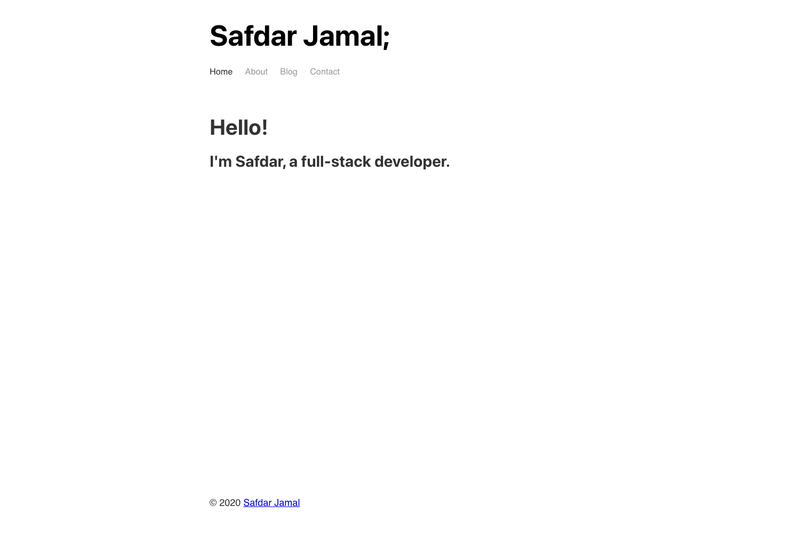
A minimal starter template for building personal/blogging websites with Gatsby, Markdown, and Netlify.
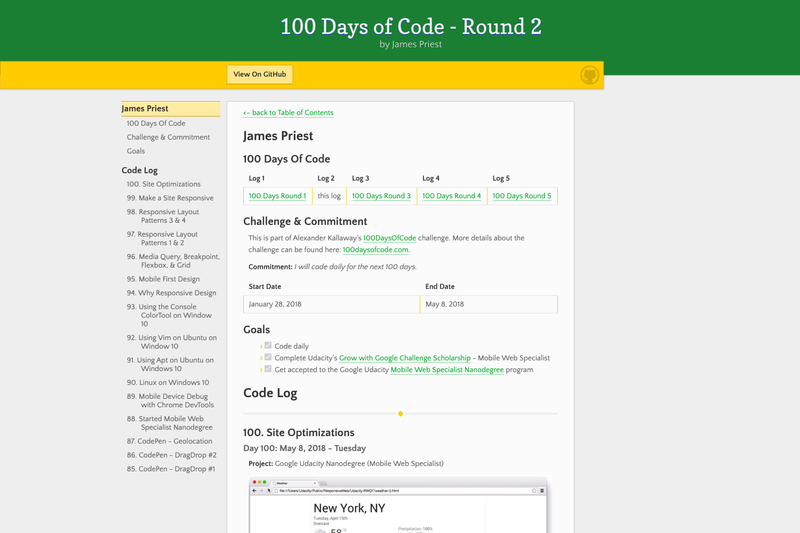
Daily code log for Round 2 of the #100DaysOfCode challenge. This uses Ruby, Jekyll, & customized template code for GitHub Pages rendering.
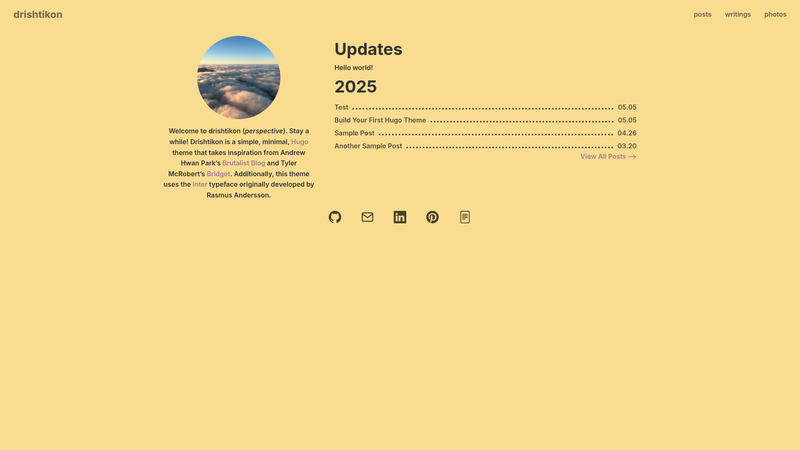
A minimal Hugo theme for blogging and portfolio websites with photo albums, writings, and KaTeX math support.

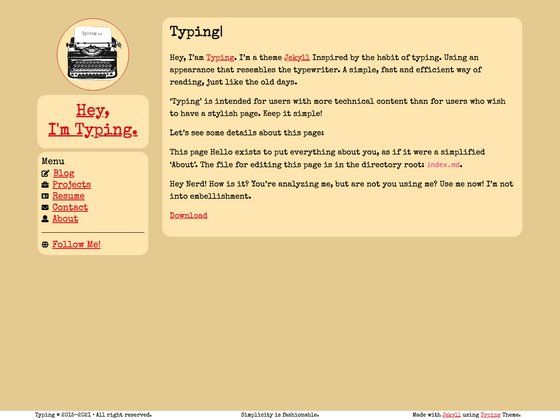
A Jekyll static-site blog starter with SEO, Disqus, live search, and GitHub Pages deploy automation.
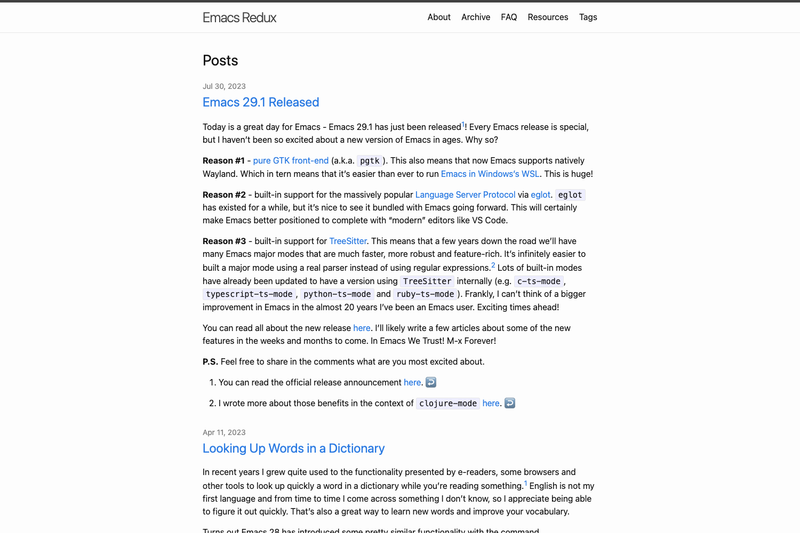
Source code of a Jekyll-powered blog about Emacs, deployed on GitHub Pages.
Gatsby Markdown Blog is a minimal Gatsby starter template for building personal and blogging websites using Markdown for content, with one-click deployment to Netlify or Vercel.
The Gatsby Markdown Blog is a minimal starter template by SafdarJamal for creating personal and blogging websites. It takes Markdown files as the content source and outputs a pre-rendered static Gatsby site with Landing, About, Blog, and Contact pages. The template runs on Gatsby, a React-based static site generator, and includes GraphQL for querying site data during development.
.md files to the content directory; the blog listing updates automatically on the next build and deploy.gatsby new my-blog-starter https://github.com/SafdarJamal/gatsby-markdown-blog to create a new site from the starter.gatsby develop, which runs a local server at http://localhost:8000 with hot reloading.src/, such as src/pages/index.js for the landing page, and the browser refreshes automatically.gatsby build and deploy to Netlify or Vercel via the provided buttons.The Gatsby Markdown Blog is free to use under the MIT license. There are no paid tiers, subscriptions, or usage limits; you can use it for personal or commercial projects.
Yes, the starter is open source under the MIT license, so you can use it without cost for personal or commercial projects.
No. Content is written as Markdown files, and Gatsby pre-renders them at build time. There is no content management system or database involved.
The only prerequisite listed in the README is the Gatsby CLI, which you use to create a new site from the starter. Node.js is also required to run Gatsby commands.
The template is designed to be customized or torn apart. Styling uses Sass, and pages are broken into separate components, so you can modify the look or structure without fixed templates.
The template includes React Helmet, which lets you edit title, description, and other meta tags from your components for SEO.