Newsletter
Join the Community
Subscribe to our newsletter for the latest news and updates

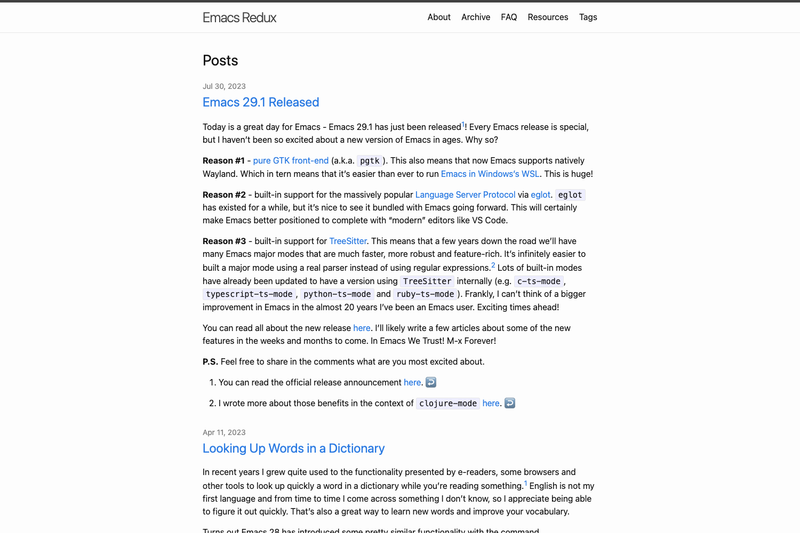
A Jekyll static-site blog starter with SEO, Disqus, live search, and GitHub Pages deploy automation.
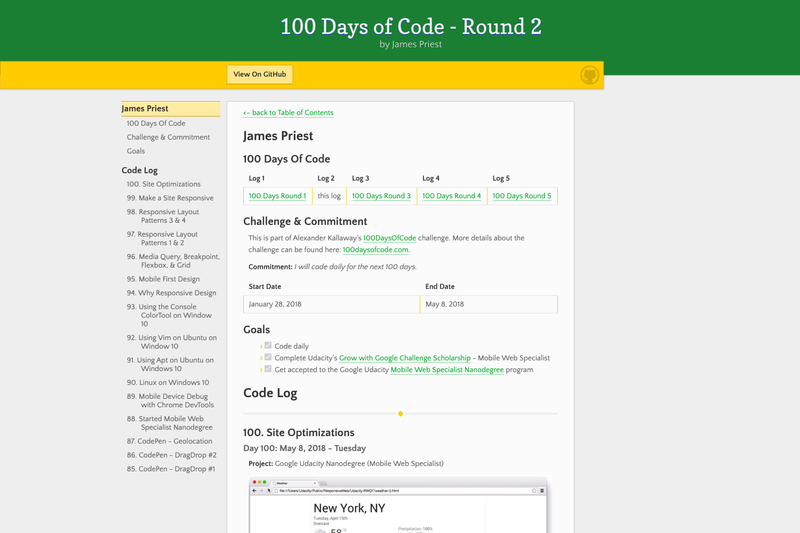
Daily code log for Round 2 of the #100DaysOfCode challenge. This uses Ruby, Jekyll, & customized template code for GitHub Pages rendering.
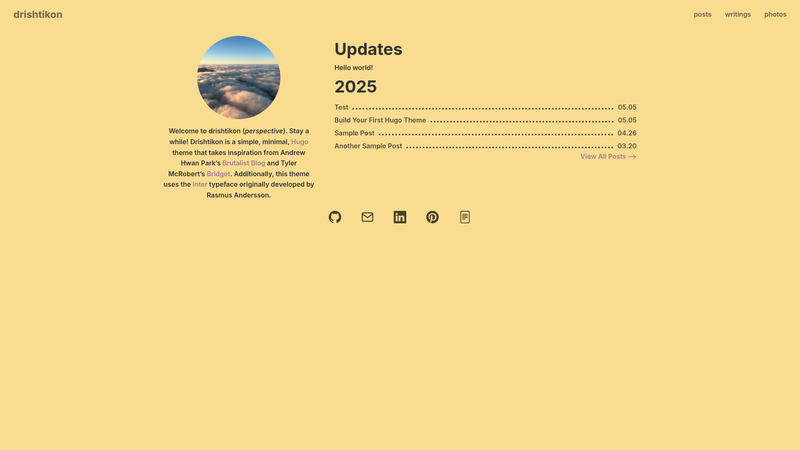
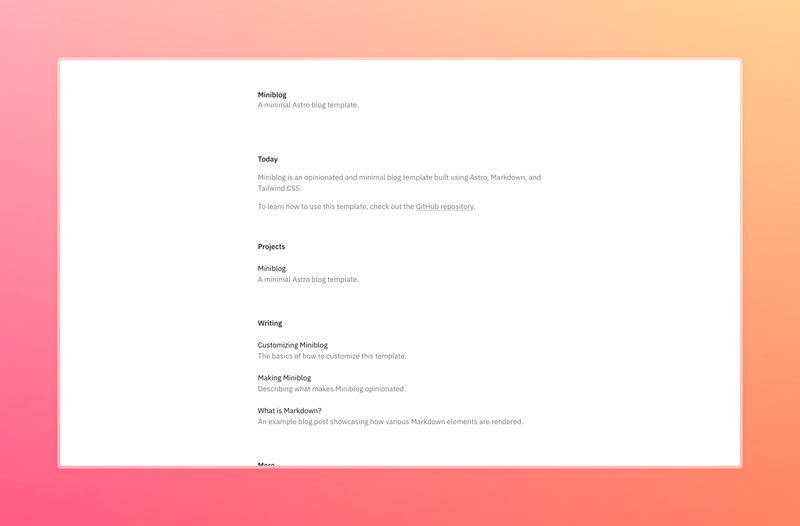
A minimal Hugo theme for blogging and portfolio websites with photo albums, writings, and KaTeX math support.
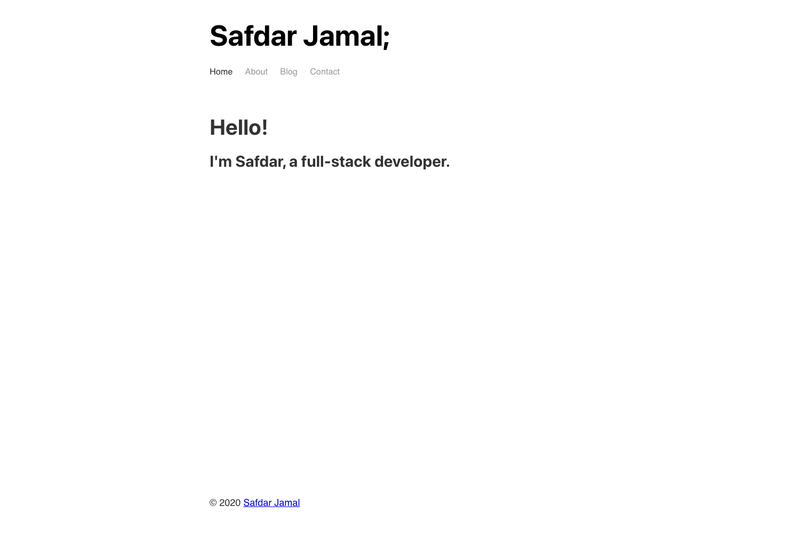
A minimal starter template for building personal/blogging websites with Gatsby, Markdown, and Netlify.
Jekyll Starter Blog is an open-source Jekyll theme that produces a static blog site with SEO, live search, Disqus comments, and automated GitHub Pages deployment from Markdown posts.
Jekyll Starter Blog is a static-site template built on the Jekyll framework, created by developer Gading Fadhillah Nasution and published on GitHub for free. It takes Markdown files placed in the _posts folder as input and generates a complete static website as output, including an RSS feed, sitemap, robots.txt, and search functionality. The template is designed for deployment to GitHub Pages or any other static web host.
disqus_username in _config.yml, with an adjustable $comment-theme SCSS variable.sitemap.xml and robots.txt files are generated for search engine crawling../post command creates posts with -c, creates drafts with -d, and publishes drafts with -p, each producing a Markdown file with front-matter../post -c "My Title" to generate a new Markdown file in _posts with a ready-to-fill front-matter block containing title, date, image, description, tags, and categories../post -d "Title" to create a draft and ./post -p "Title" to promote it to a published post.src/sass/_variables.scss to change the primary color, sidebar background, hover color, text color, code highlight color, Disqus comment theme, and the responsive breakpoint.npm run build to compile Sass and JavaScript, then npm run deploy to push the built site to the publishing branch, or use ./deploy.sh for one-command automation.First, install NodeJS and Ruby on your system. Fork the repository, clone it, and run npm install to pull down npm and Bundler dependencies. Edit _config.yml with your site name, description, author, avatar, and social usernames, then add Markdown posts to _posts. Run npm start to launch a local Jekyll server for development, or npm run build followed by npm run deploy to publish the generated static site to GitHub Pages.
You need NodeJS and Ruby installed. NodeJS is required for the npm build and deploy scripts, and Ruby is required to run the Jekyll static site generator itself.
Run ./post -c "Your Post Title" from the repository root. This creates a new Markdown file in _posts with a front-matter block. Fill in the title, date, image, description, tags, categories, twitter_text, and keywords fields, then write your content below the front-matter.
First run npm run build to compile the Sass and JavaScript and generate the site files. Then run npm run deploy to deploy to the GitHub Pages branch. Alternatively, use ./deploy.sh to automate the entire build-and-deploy process.
Yes. Open src/sass/_variables.scss and adjust the SCSS variables such as $main, $sidemenu, $hover, $sec, $texts, and $colorcode. There is also a $cut variable that sets the responsive breakpoint at 37.5rem.
Yes, it uses Disqus. Add your Disqus username as disqus_username in _config.yml. You can also change $comment-theme in the SCSS variables so the comment area matches your Disqus theme (light or dark).