Newsletter
Join the Community
Subscribe to our newsletter for the latest news and updates

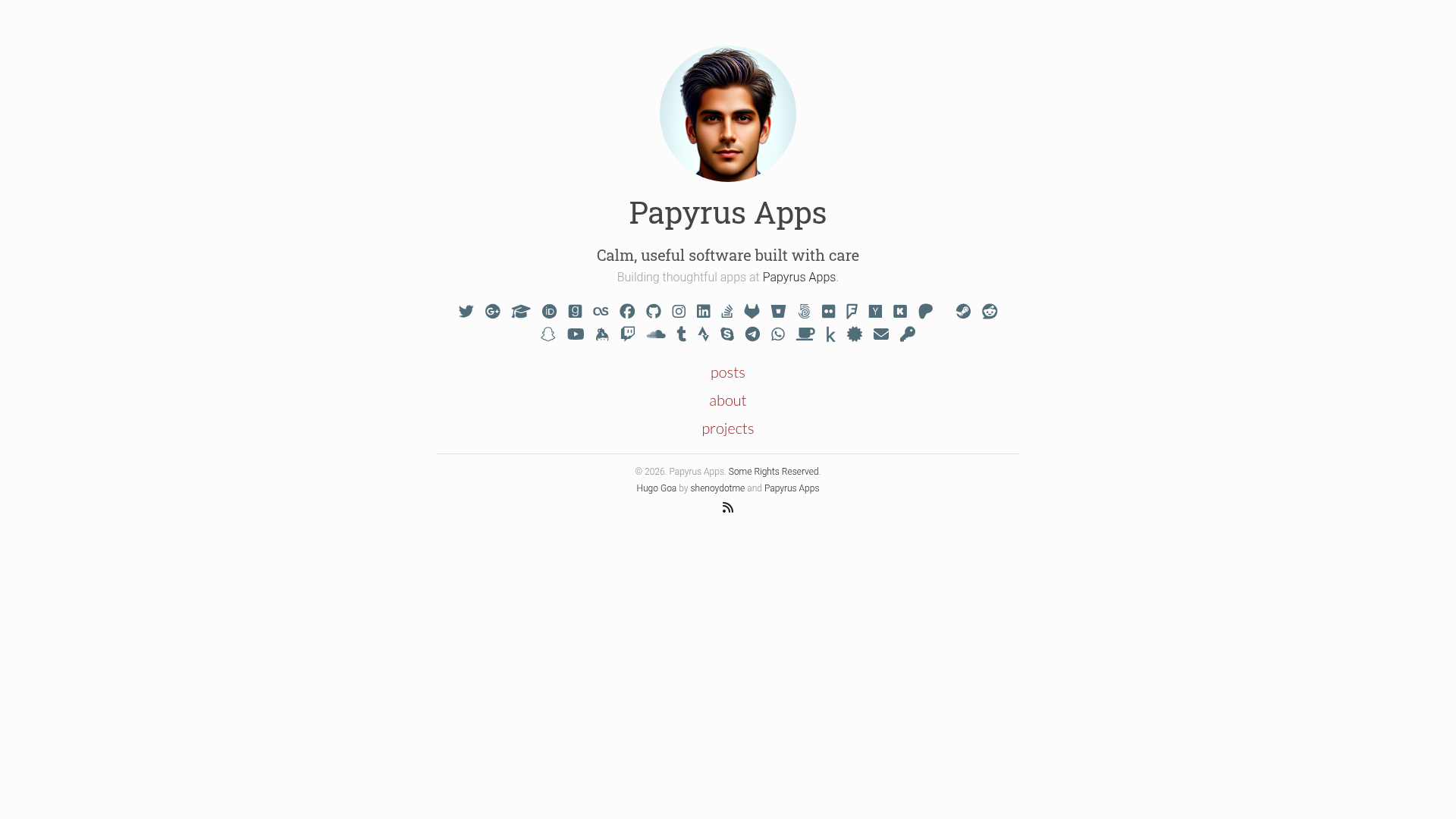
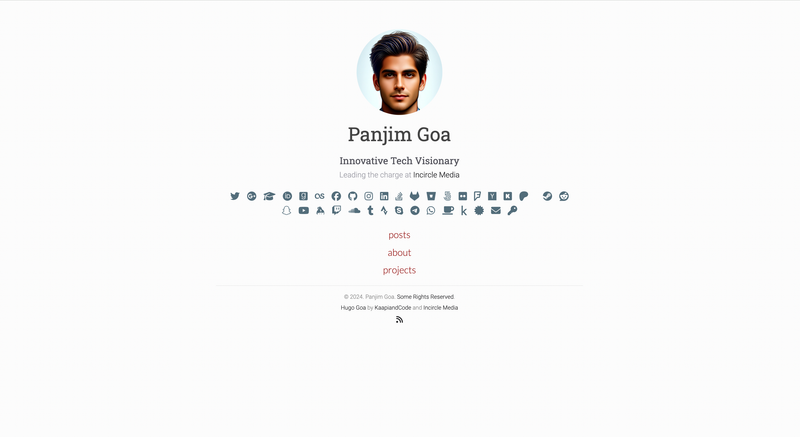
A clean, minimalist Hugo theme for blogs and personal websites, with Bootstrap 5, Font Awesome 6, Disqus, and Google Analytics.
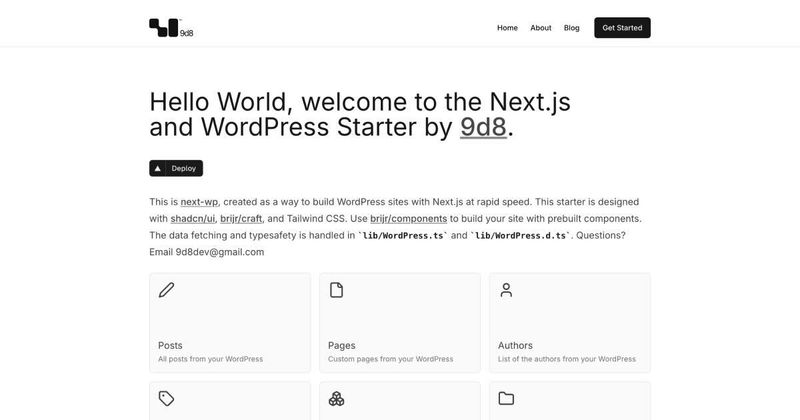
A statically generated blog example using Next.js and Contentful as the headless CMS data source.
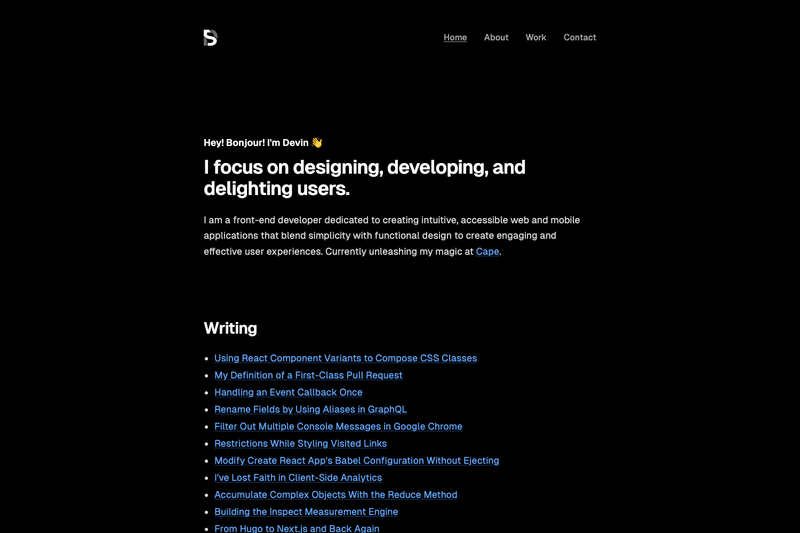
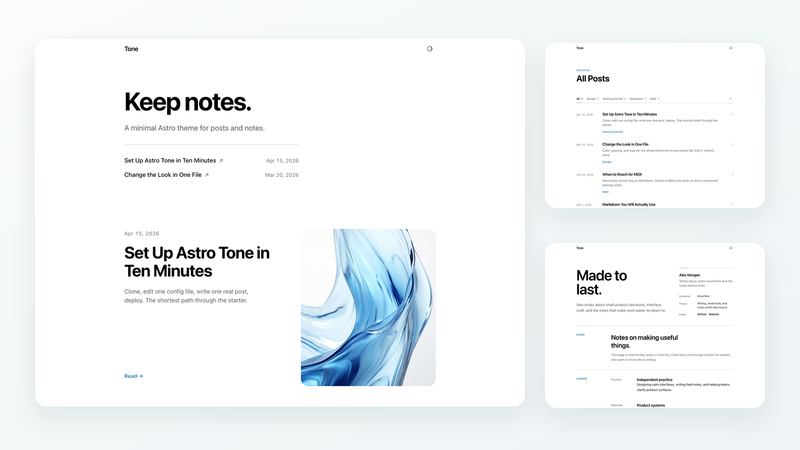
A personal blog and portfolio template built with Astro and Tailwind CSS, deployable to Cloudflare Pages.
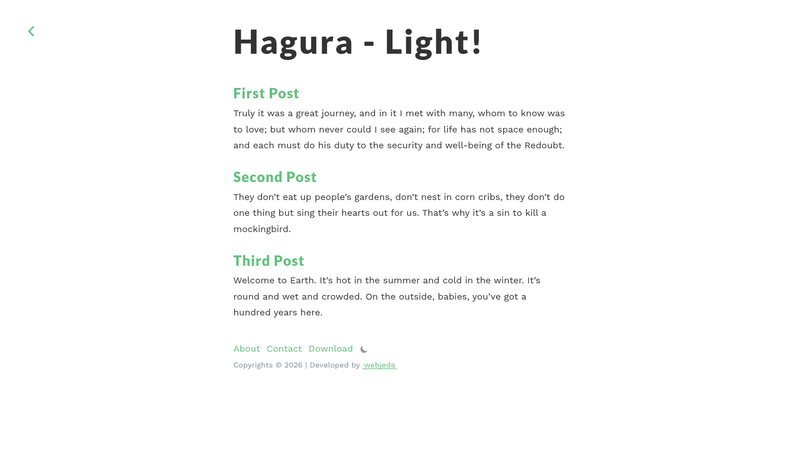
A minimal markdown blog template built with SvelteKit, TailwindCSS, and mdsvex.
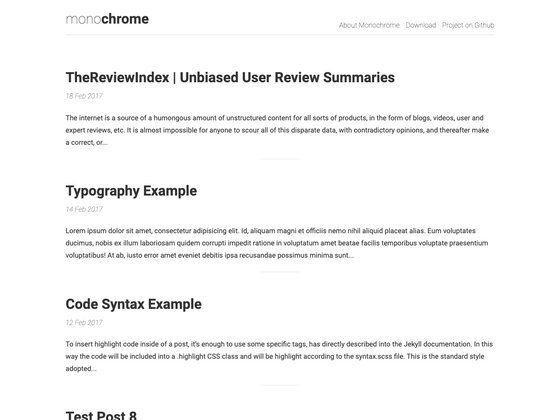
Minimal, responsive Jekyll theme for blogging with SEO-friendly URLs, sitemap, pagination, and custom monochrome styling.
Goa is a minimalistic Hugo theme for blogs and personal websites, built and maintained by Raj Shenoy and Papyrus Apps, that converts Markdown content into a responsive static site.
Goa is a clean, simple, and minimalist theme for the Hugo static site generator. It takes Markdown files written in the content directory — such as blog posts and standalone pages — and generates a static HTML site in the public directory. The theme is designed to be lightweight and distraction-free, with a focus on typography and content. You can see a live demo at https://shenoydotme.github.io/hugo-goa-demo.
disqusShortname to the config to enable comments on posts; page-level showcomments can turn them off per page.googleAnalytics in hugo.toml to enable tracking across the site.highlightjs parameter in [params.extra].[params.social] for display.showpagemeta in front matter to show or hide author, date, and other post metadata for each page.[[menu.main]] entries, each with name, weight, and URL, to organize sections like Blog, About, and Projects.enableRobotsTXT to control search engine crawling.draft = false to publish, and generate a fast static blog with hugo --cleanDestinationDir.hugo new projects/index.md and customize the front matter to suit the page.hugo.toml and support for Git submodule installation, making it easy to integrate into existing Hugo workflows.hugo new content posts/my-first-post.md, edit the Markdown, and preview drafts by running hugo server -D.projects/index.md to create a standalone page with its own content and optional custom layout.draft = true, then publish by changing it to false; the --cleanDestinationDir flag ensures the public directory only contains current content.Install the theme by creating a new Hugo site, adding Goa as a Git submodule, and setting theme = 'hugo-goa' in hugo.toml. Content authors create Markdown files under content/; Hugo's server (hugo server -D) previews drafts in real time. When ready, run hugo --cleanDestinationDir to build the site, which outputs static HTML, CSS, JavaScript, and images into the public directory ready for deployment.
Other Hugo themes that inform Goa's design are Hugo Cocoa, Hugo Vec, and Hugo Agency.
Yes, Goa is open source software released under the MIT License. The source code is publicly available on GitHub, and the repository has 267 stars at the time of writing.
Goa is built specifically for Hugo, a static site generator written in Go. It is installed as a theme inside a Hugo project and cannot be used independently of Hugo.
Add your Disqus shortname to the disqusShortname setting in hugo.toml, and ensure showcomments is true in the page front matter. For individual pages, you can disable comments by setting showcomments = false.
Yes. You can create standalone pages like About and Projects by running hugo new projects/index.md, then editing the generated index.md file. This lets you build a simple portfolio without a blog.
Yes, Goa includes support for HighlightJS. You can enable it by setting highlightjs = true in the [params.extra] section of your config.