Newsletter
Join the Community
Subscribe to our newsletter for the latest news and updates

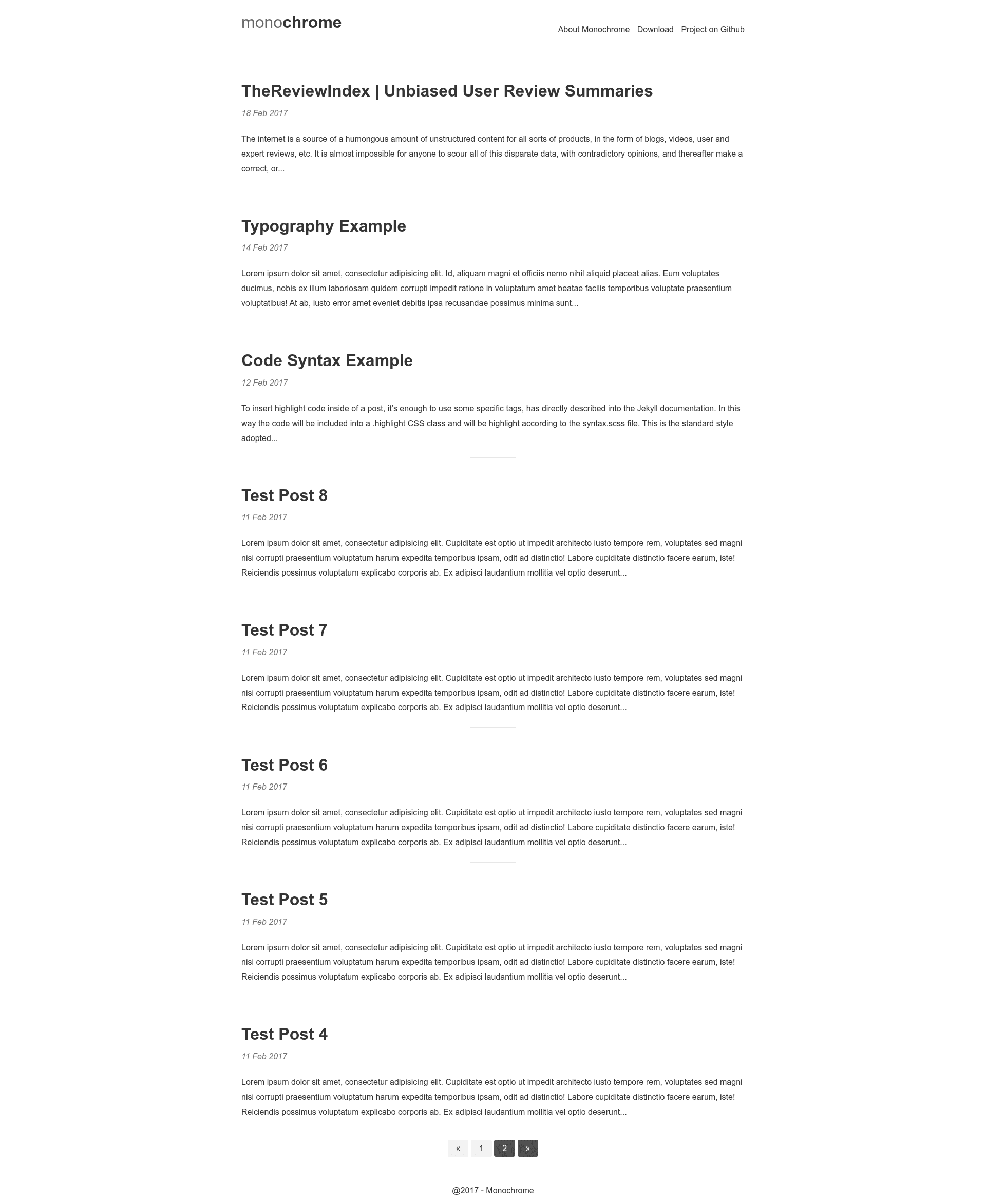
Minimal, responsive Jekyll theme for blogging with SEO-friendly URLs, sitemap, pagination, and custom monochrome styling.
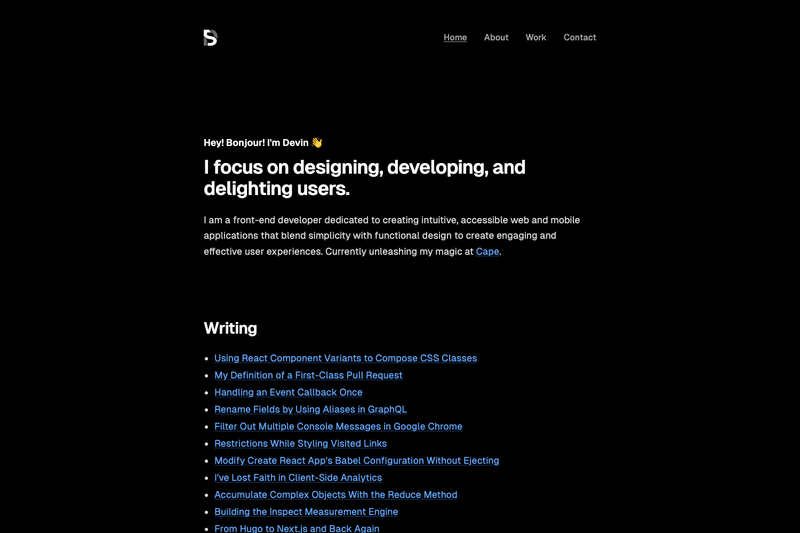
A personal blog and portfolio template built with Astro and Tailwind CSS, deployable to Cloudflare Pages.
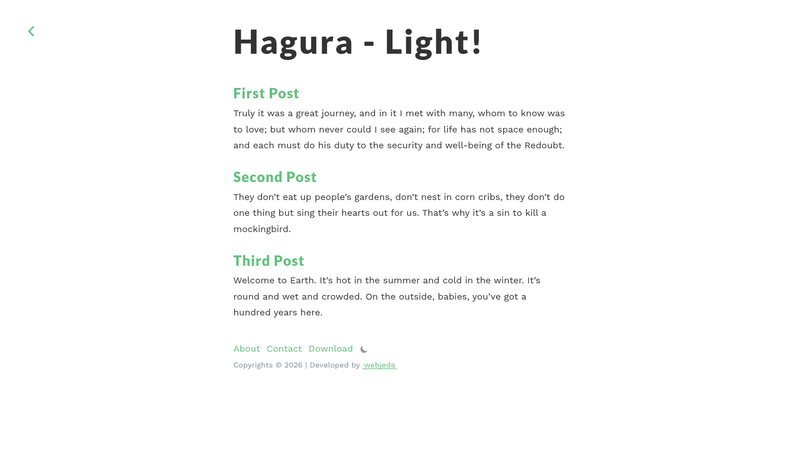
A minimal markdown blog template built with SvelteKit, TailwindCSS, and mdsvex.
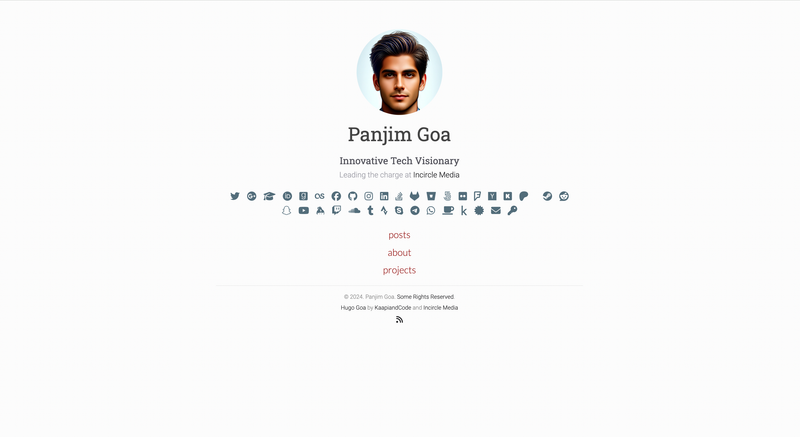
A clean, minimalist Hugo theme for blogs and personal websites, with Bootstrap 5, Font Awesome 6, Disqus, and Google Analytics.
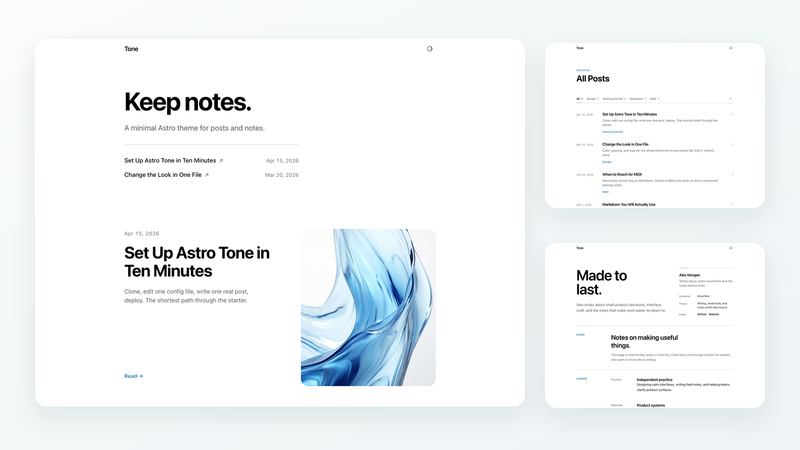
Minimal Astro 6 blog starter with Pagefind search, MDX posts, dark mode, command palette, and perfect Lighthouse scores.
Monochrome is a minimal, responsive Jekyll theme for blogging that turns Markdown posts into a static, SEO-optimized site with clean URLs and a monochrome color palette.
Monochrome is a free, open-source Jekyll theme designed specifically for personal and publication blogs. It takes Markdown files placed in the _posts folder and generates a fully static, responsive website with auto-generated SEO meta tags, a sitemap, and pagination. The theme is built on top of the Emerald Jekyll theme, runs on any Jekyll installation (requires Ruby 2.2 and Jekyll 2.2), and was authored by Dyuti Barma of TheReviewIndex under the MIT License.
jekyll-sitemap plugin support to automatically generate an XML sitemap.jekyll-paginate to split the blog index into pages._config.yml to enable custom code in header-custom.html and nav-footer-custom.html, or reverse the navigation side.base.scss ($background-color, $text-color, $text-light-color, $text-dark-color).yyyy-mm-dd-title-of-post.md in _posts/, and the theme generates the page with title/description meta tags.baseurl or root install.Installing Monochrome follows Jekyll's standard workflow: first install Ruby 2.2, Bundler, and Jekyll, then add the jekyll-paginate and jekyll-sitemap gems. After that, either fork the repository or download the zip, run jekyll serve, and open localhost:4000/blog/ to preview the site. Posts are written in Markdown, and navigation links are autogenerated from pages with the page layout.
Monochrome is free to use and modify, released under the MIT License.
Yes, Monochrome is released under the MIT License, so you can use, copy, modify, and distribute it freely for personal or commercial projects.
Monochrome requires Ruby 2.2 and Jekyll 2.2, along with the jekyll-paginate and jekyll-sitemap gems. The repository provides commands to install these via sudo gem install.
Navigate to the _posts/ directory, create a file named yyyy-mm-dd-title-of-post.md, add a title and description in the front matter (referencing the test posts), then write the body in Markdown.
Yes, the project includes a gh-pages branch for demos, and the setup instructions describe forking the repo or pushing local files to GitHub and enabling GitHub Pages.
Yes, the theme ships with an About page and a custom 404 error page as part of its default layout.