Newsletter
Join the Community
Subscribe to our newsletter for the latest news and updates

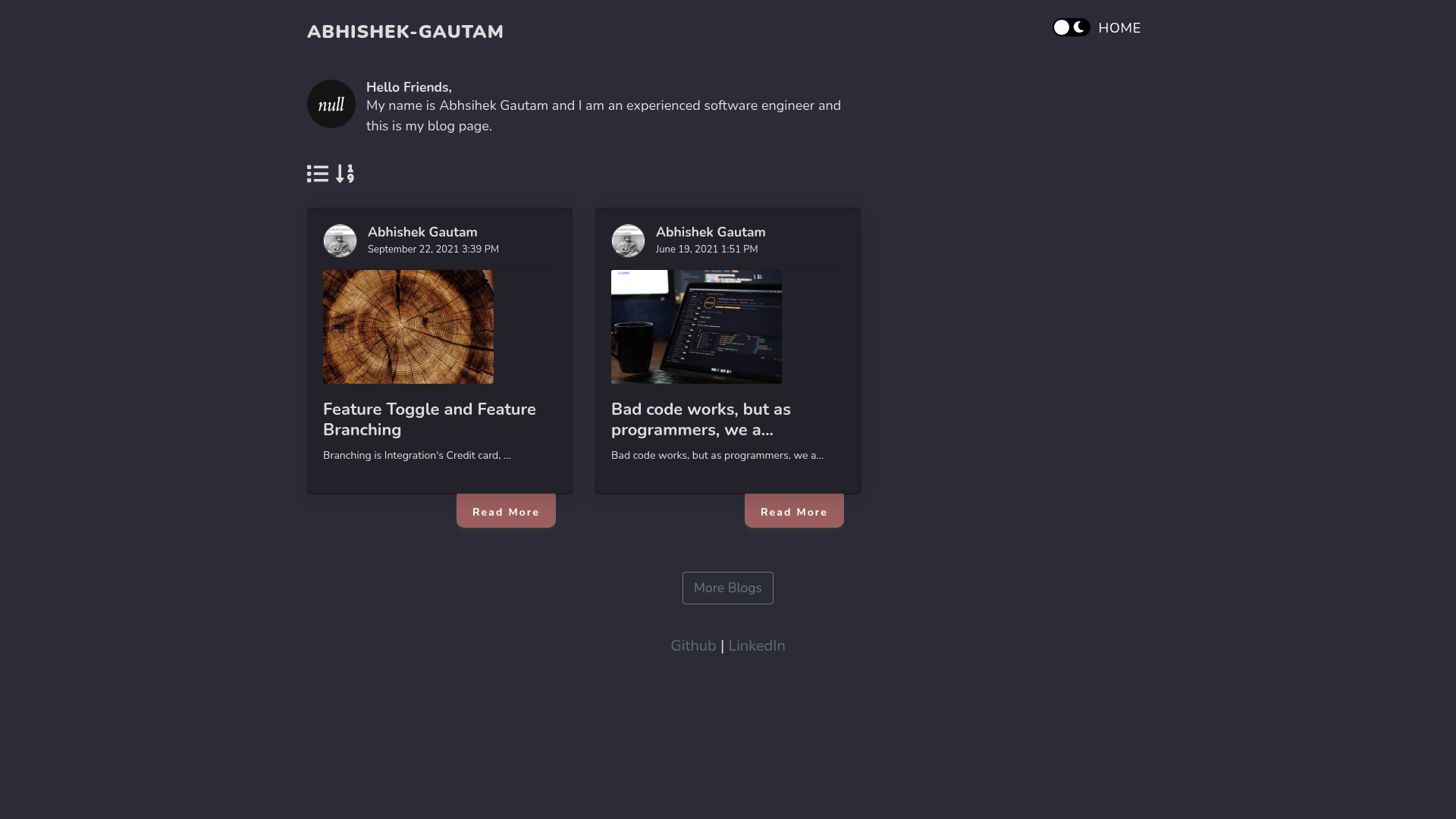
Next.js and Sanity blogging template with draft previews, code highlighting, rich text, theming, and serverless JAMstack architecture.
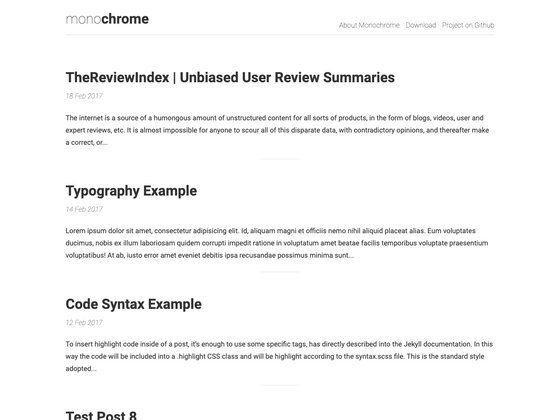
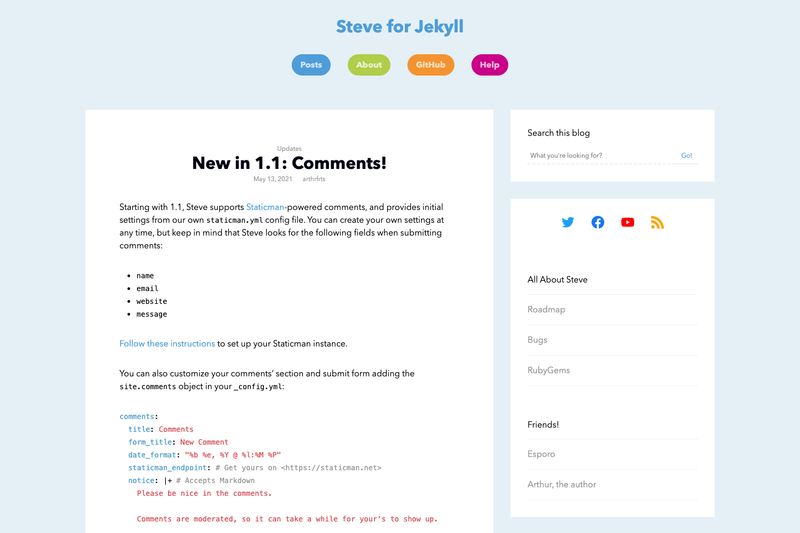
Minimal, responsive Jekyll theme for blogging with SEO-friendly URLs, sitemap, pagination, and custom monochrome styling.
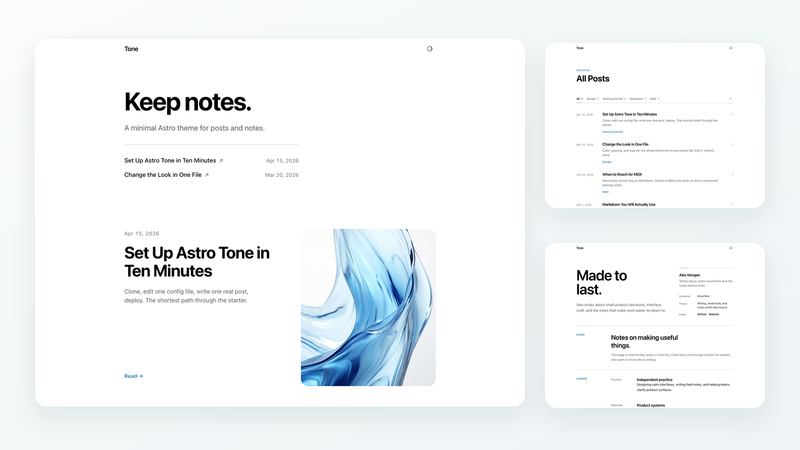
Minimal Astro 6 blog starter with Pagefind search, MDX posts, dark mode, command palette, and perfect Lighthouse scores.
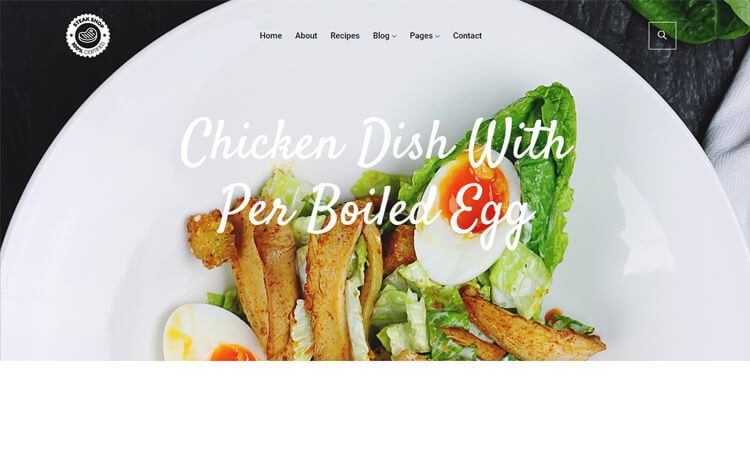
Free multi-page Bootstrap 4 HTML5 cooking website template for food blogs, recipe sites, and restaurants.
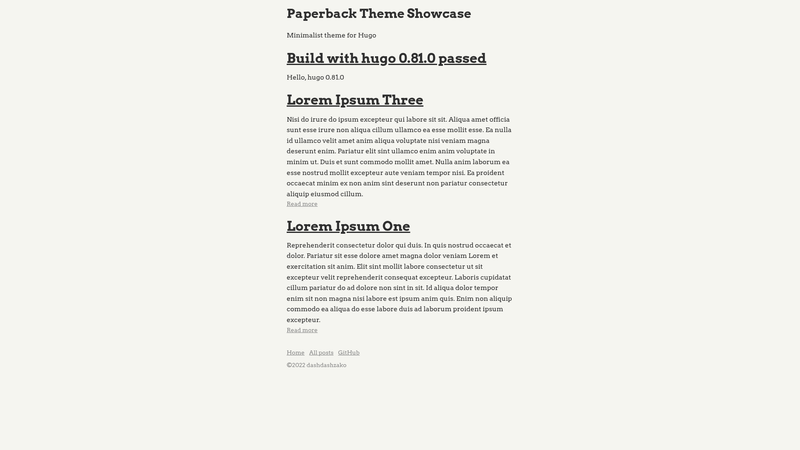
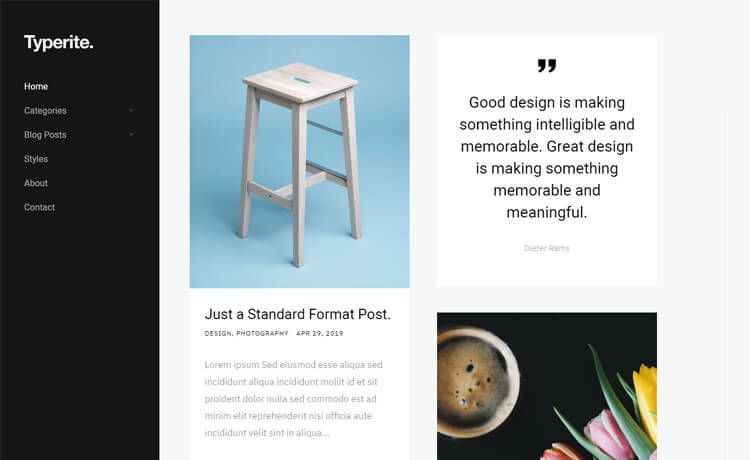
Minimalist Hugo theme for blogs with high-contrast colors, no decorative effects, and Highlight.js code syntax highlighting.
Tech Blog App is a blogging template built on Next.js and the Sanity headless CMS that runs as a serverless JAMstack application, giving you a blog with draft previews, code highlighting, and rich text rendering.
Tech Blog App is a starter project for a blog, created with create-next-app and extended with Sanity as its content backend. It manages content in Sanity, renders it as a Next.js site, and exposes API routes through the pages/api directory. The project follows serverless architecture guidelines, which means the blog can be deployed to platforms like Vercel without running a dedicated server.
Run npm run dev or yarn dev to start the development server on localhost:3000. Edit pages/index.js to change the homepage; the page auto-updates as you save. API routes live in pages/api and are accessible at /api/hello for this template.
Yes, it uses Sanity as the headless CMS. Content is served through Sanity's CDN and rendered in Next.js pages, keeping the front end decoupled from content management.
Yes. It is a standard Next.js project, so you create new page files inside the pages directory. Additional API routes are created by adding files to pages/api.
The README points to the Vercel Platform from the creators of Next.js as the easiest deployment path, and links to the official Next.js deployment documentation for other options.
Yes, the repository description lists theming as a supported feature, so you can change the blog's appearance without rewriting page components.