Newsletter
Join the Community
Subscribe to our newsletter for the latest news and updates

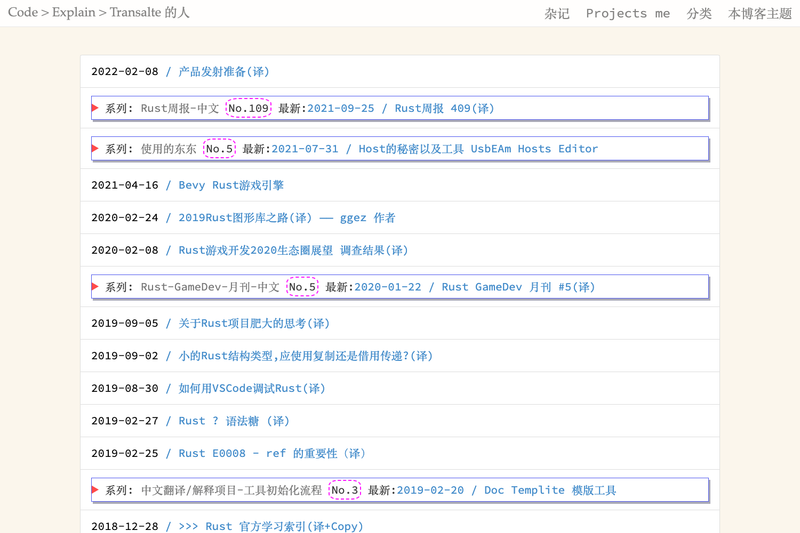
A Hugo blog theme styled after yinwang.org, with per-post CSS overrides, code copy, GitHub edit links, and raw HTML/CSS shortcodes.
A statically generated blog example using Next.js and the Cosmic headless CMS, with Vercel deployment.
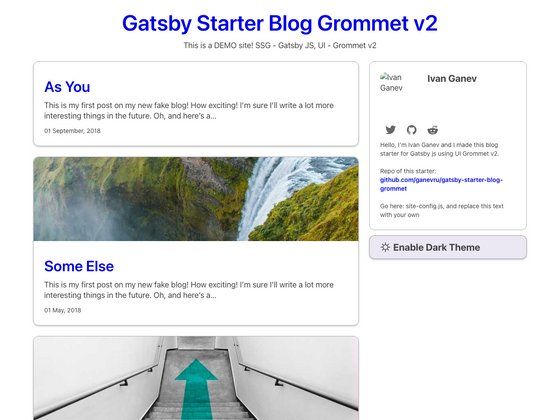
Gatsby v2 blog starter based on Grommet v2 UI with TypeScript, styled-components, theme switching, and sticky sidebar.
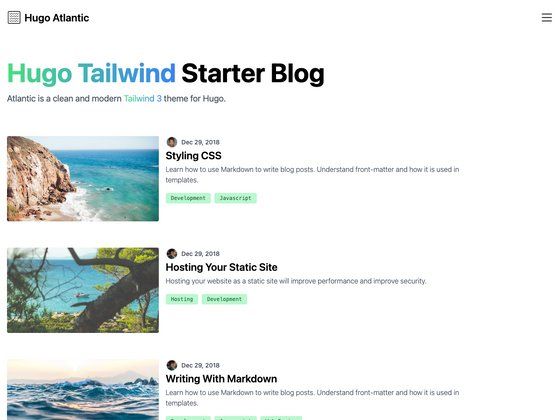
A clean, modern Tailwind CSS 3 blog theme for Hugo with full blog functionality and Netlify-ready deployment.
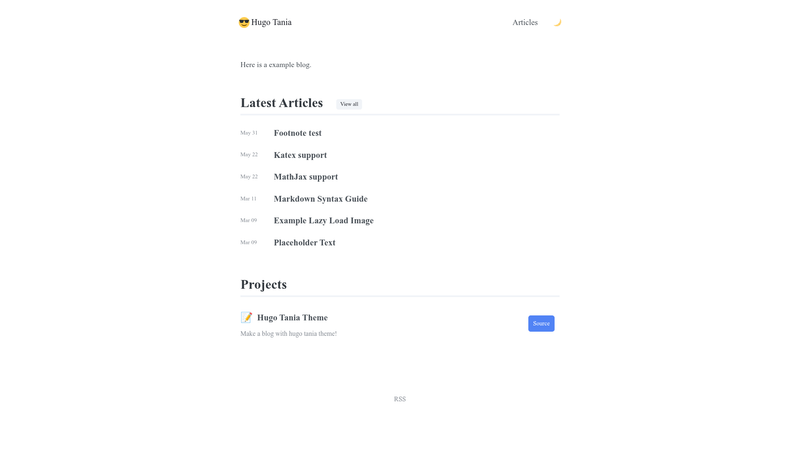
A simple Hugo theme for bloggers with dark mode, floating footnotes, and category-filtered search.
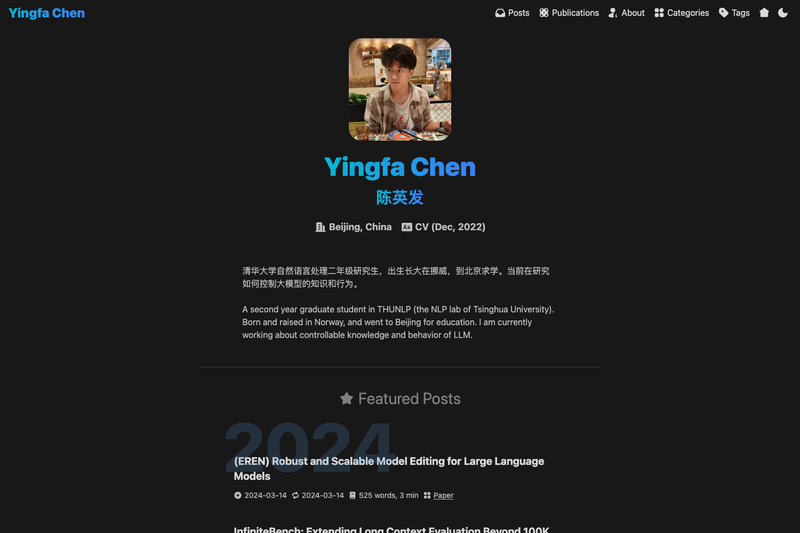
A minimalistic Hexo theme with zero-config setup, automatic light/dark mode, and MathJax, Mermaid, and Fancybox support.
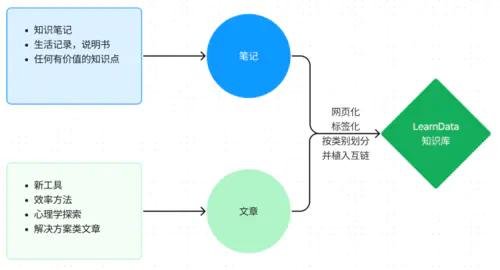
开源笔记模板,一键部署个人知识库和博客 | 开源工具、效率方法、心理学探索的自我提升笔记
Gohugo Theme Yinwang is a Hugo blog theme that recreates the look of yinwang.org, designed for static blog publishing with Markdown content. It is built on Hugo and maintained by chinanf-boy (yobrave Lee) as a fork of the basics theme. The theme outputs a static blog with category and tag archives, per-page CSS overrides, and optional integration with Google Analytics and GitHub for in-page edit links.
Gohugo Theme Yinwang is a Hugo theme for blogs, styled after the personal site yinwang.org. As input it takes Markdown files in content/post, a config.toml with theme parameters, and optional per-page front matter; as output it generates a complete static website with post pages, category/tag listings, and a home page. The theme is authored by chinanf-boy and is available on GitHub, installed by adding it as a git submodule with theme = "yinwang" in configuration.
editBtn, anchorLink, copyCode, imageZoom, and labels, giving individual pages independent behaviors.githubRepo and editBtn together to render an "edit this page" link on every post, pointing to the source file on GitHub.copyCode = true each code block gets a copy button, and anchorLink = "¶" adds copyable anchor links to heading elements.backgroundColor in config, choose a highlight theme for highlight.js (default is github), and add custom CSS files per page via the front matter css list.menus = true to define custom navigation menus in config, and set googleAnalytics to enable Google Analytics gtag tracking.post directory convention, and publish a clean blog with tag/category support.post entries with hugo new post/hello.md, add front matter categories/tags, and build a static site with hugo server -D.css array to load additional stylesheets for a single post, or wrap content in the rawhtml shortcode for custom markup.series field to front matter to group related posts, with a series listing script included in the theme's footer.githubRepo and editBtn so every post displays a direct edit link, making maintenance and community contributions straightforward.The README walks through a setup flow: initialize a git repository, add the theme as a submodule from its GitHub URL, set theme = "yinwang" in config.toml, create content with hugo new post/hello.md, then run hugo server -D for local development. For production, build with hugo -b "/" if the site is served from a subpath, and be sure baseURL ends with a slash. The theme renders standard Hugo output, and most behavior toggles are controlled from config.toml or per-page front matter.