Newsletter
Join the Community
Subscribe to our newsletter for the latest news and updates

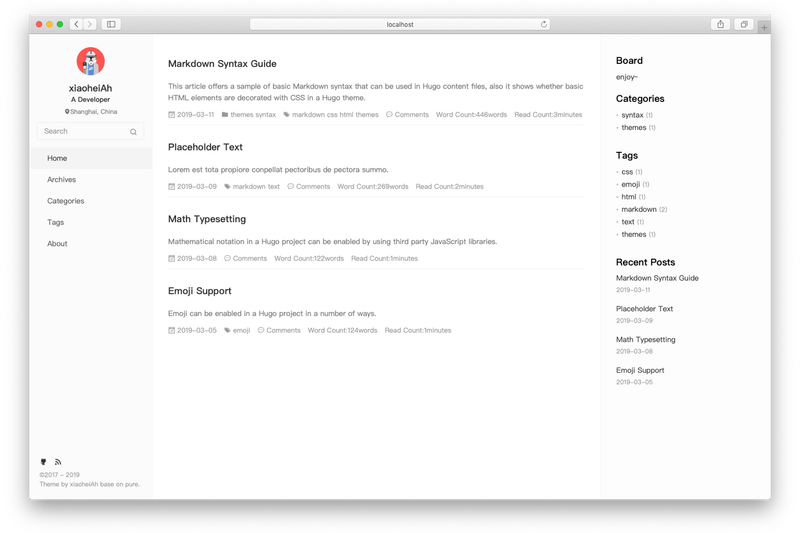
A clean, powerful Hugo blog theme ported from hexo-theme-pure, with five color skins and built-in i18n.
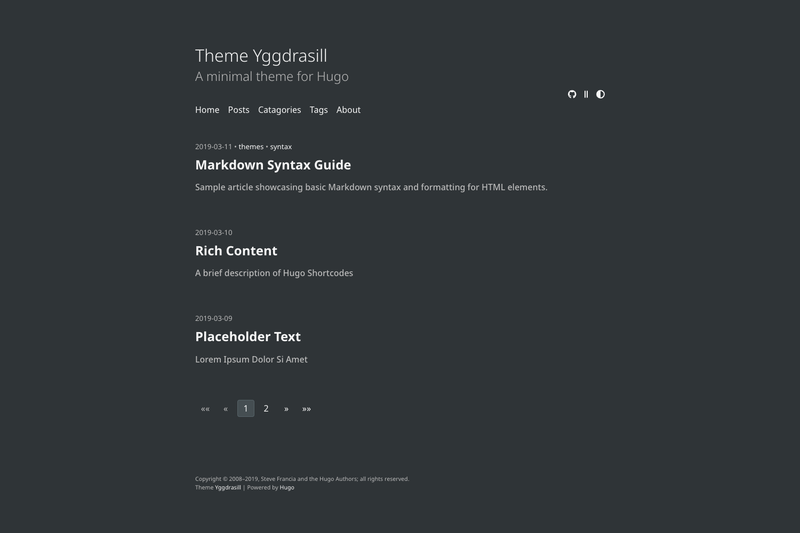
A minimal Hugo theme for clean, content-focused static websites.
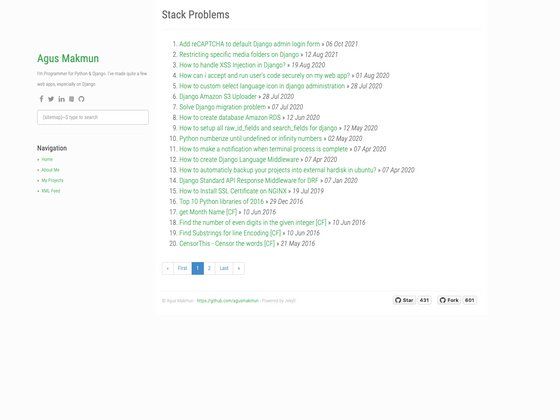
Free and open-source Jekyll theme for blogs and portfolios with realtime search, related posts, Disqus, and project pages.
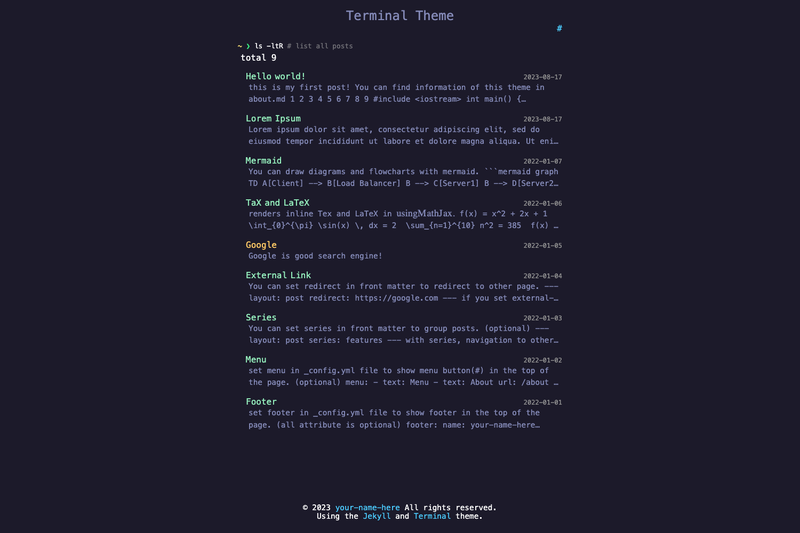
A Jekyll theme with a terminal-style interface for blogs and portfolios, built by fienestar.

Customizable, monochromatic and minimalist Hugo theme for personal blogs.
hugo-theme-pure is a Hugo port of the hexo-theme-pure blog theme, delivering a clean, content-focused blog layout with five configurable color schemes. It runs on the Hugo static site generator, accepts Markdown posts from the posts directory (or any directory you set), and outputs a static blog with table of contents, pagination, MathJax rendering, and bilingual i18n.
hugo-theme-pure is a Hugo theme created by xiaoheiAh as a port of the popular hexo-theme-pure, licensed under the MIT License. It transforms Markdown content placed under content/posts into a blog with archive, tags, categories, and custom menu sections. The theme is configured through a YAML file; the repository provides an exampleSite/config.yml that you copy to your Hugo root and adjust.
config.toc setting, using the tocbot library for smooth scrolling.en.yml and zh.yml under pure/i18n; set defaultContentLanguage to switch, or add a new language by copying an existing locale file.menuIcons block maps home, archives, categories, tags, repository, books, links, and about entries to Iconfont icon classes.mainSections parameter — lets you specify which content directory to render (defaults to posts) instead of hard-coding the path.themes/pure, copy exampleSite/config.yml, and run hugo server -t pure to get a working blog with TOC and pagination.defaultContentLanguage: zh or en without extra tooling, since both locale files are bundled.Yes, it is released under the MIT License, so you can use, modify, and redistribute it freely, including for commercial projects.
Run git clone https://github.com/xiaoheiAh/hugo-theme-pure themes/pure from your Hugo root, then copy exampleSite/config.yml to the root and start the server with hugo server -t pure.
It includes English and Chinese out of the box. To add another language, copy either en.yml or zh.yml in pure/i18n, rename it to the new language code, and translate the strings.
The theme offers five predefined skins named grey, black, blue, green, and purple. You select one through the theme configuration; each skin is shown in the repository's screenshot section.
Yes, MathJax was added on 2019-11-19 and works with inline and block LaTeX. For block equations, use double dollar signs; the theme follows Hugo's MathJax-with-Hugo documentation.